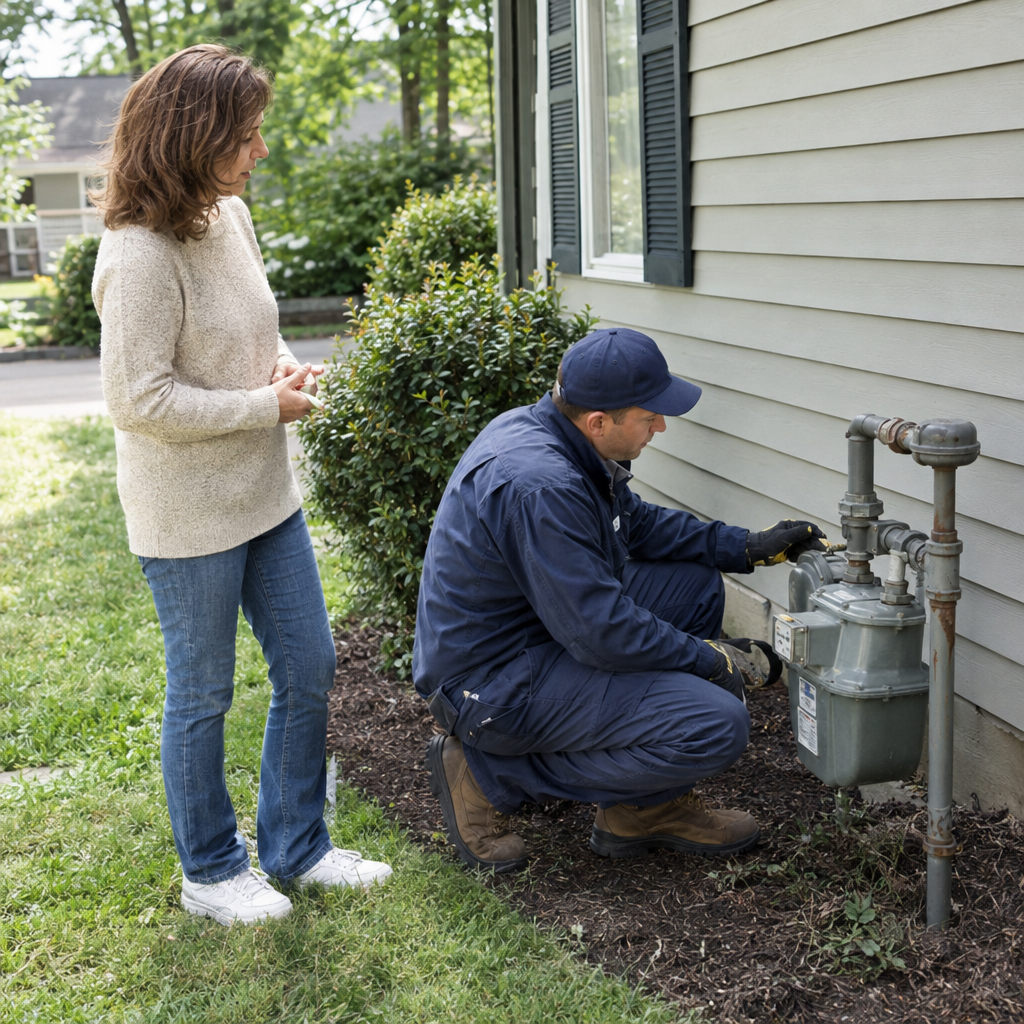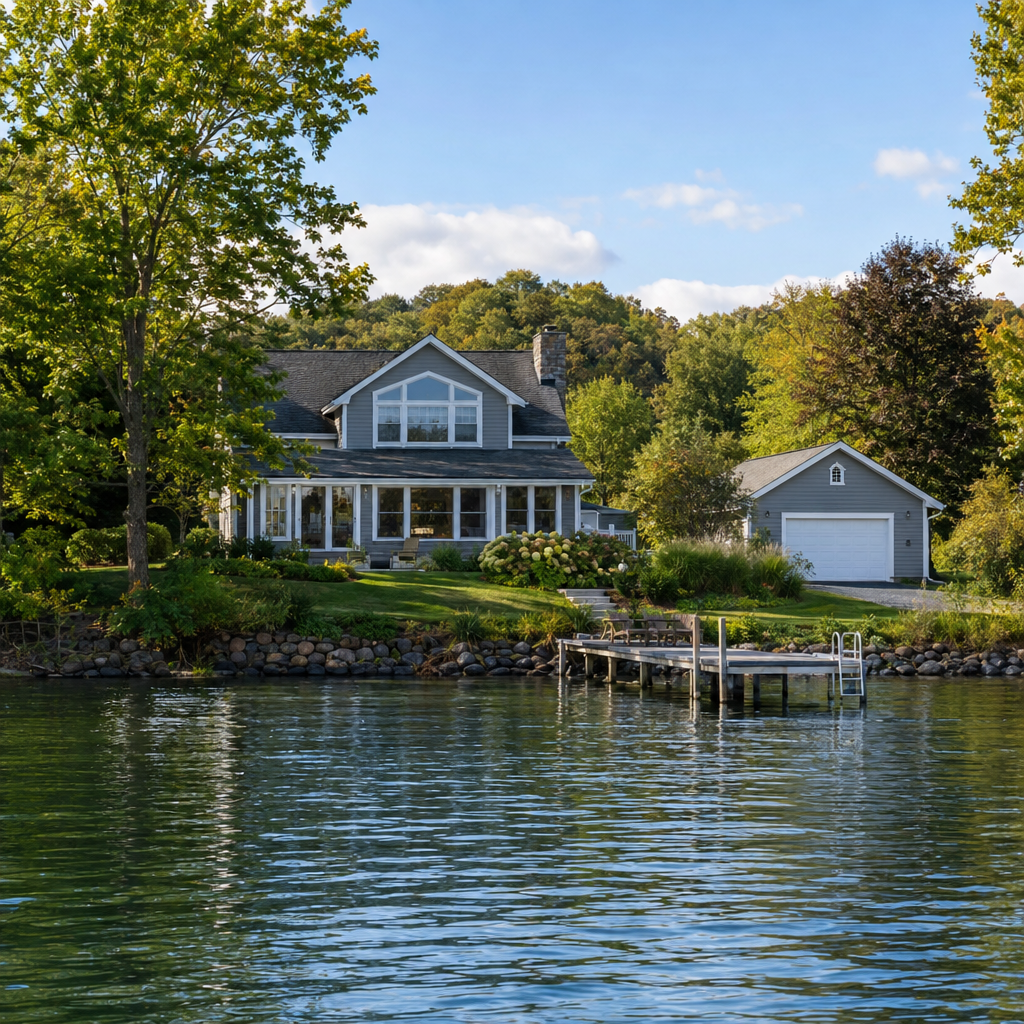
A house can be an investment, a family retreat, or both. But the way you use it matters to an insurer. A home occupied by a year-round tenant presents different questions from a lake cottage used only by family, and both differ from a property advertised for frequent guest stays. If you own a home where you do not primarily live, the first step is to describe its actual use before choosing coverage.
Non-owner-occupied home insurance is a useful umbrella term, not the name of one policy that fits every property. This guide explains the coverage owners may need, the gaps worth checking, and the information to gather when comparing options in New York.
What Does Non-Owner-Occupied Home Insurance Mean?
A non-owner-occupied home is one the owner does not use as a primary residence. It might be leased to a long-term tenant, rented to vacation guests, reserved as a seasonal family home, or left unused while an owner decides what to do next. Those arrangements are not interchangeable from an insurance perspective.
For example, a house leased to one household may call for a landlord or rental dwelling policy. A second home used only by its owners may qualify for a different arrangement. A property rented to paying guests for short stays may require a policy or endorsement that specifically allows that activity. The insurer determines which forms it offers and which uses it will accept.
Be precise when discussing occupancy. Tell your agent who stays at the property, whether anyone pays to stay there, how often guests change, and whether the home sits empty between visits. If your plans change after you buy a policy, report the change rather than assuming the original description still applies.
Why a Standard Homeowners Policy May Not Fit
A standard homeowners policy is written around a described home and its disclosed use. It should not be assumed to cover a property in the same way after the owner moves out and begins renting it. According to the Insurance Information Institute, regular rentals of vacation or investment property generally require landlord or rental dwelling coverage; the appropriate arrangement depends on how the home is rented and the insurer’s rules.
Short-term stays deserve a separate conversation. The National Association of Insurance Commissioners cautions that homeowners policies may not cover accidents arising from home-sharing rentals. An endorsement, a different policy, or another insurer-approved solution may be necessary. Do not assume that a hosting platform’s protections replace insurance in your own name; review what the platform actually provides alongside your policy.
None of this means every rental-related claim will automatically be denied under every homeowners form. Coverage turns on the contract, its exclusions, the disclosed use, and the facts of a loss. The practical safeguard is to speak with your insurer or agent before listing the home, signing a lease, or changing how often it is occupied. Ask what must be reported, when a change takes effect, and whether the proposed use is permitted in writing.
What Non-Owner-Occupied Home Insurance May Cover
Coverage is assembled around the owner’s financial interests and the property’s use. The Insurance Information Institute describes landlord policies as potentially addressing the building, certain landlord-owned property kept on-site, liability, and lost rental income following damage from a covered loss. Each provision has its own terms; the label “landlord insurance” alone does not tell you the limits, deductibles, exclusions, or causes of loss insured.
Dwelling and Other Structures
Dwelling coverage addresses the insured building when it is damaged by a covered cause of loss. When selecting a limit, consider an estimate of what it would take to reconstruct the home, rather than assuming its sale price equals the cost to rebuild. Ask how the policy values repairs or replacement and what conditions apply.
List other structures individually. A detached garage, shed, deck, or waterfront feature may raise different coverage questions. In particular, do not assume a dock has the same protection as the house simply because it is on the same parcel. Identify each structure when requesting a quote and ask how, or whether, it can be insured.
Liability for Owners and Landlords
Premises liability coverage may help with covered claims alleging injury or property damage for which the owner is legally responsible. The appropriate limit depends on the property and the owner’s broader financial situation. Discuss whether the policy addresses the activities you allow on-site, especially if guests use outdoor areas or waterfront access. An umbrella policy may also merit consideration, but its eligibility requirements and relationship to the underlying property policy need review.
Rental Income and Landlord-Owned Contents
If covered damage makes a rental unit unusable, loss-of-rent or fair-rental-value coverage may help replace qualifying rental income for a period defined by the policy. It is not a general promise to reimburse every canceled booking, vacancy, or decline in revenue. Compare the triggering causes of loss, limits, waiting periods if any, and how the insurer calculates payment.
Owners who provide appliances, furniture, or other contents should ask which items are eligible and what limit applies. A furnished vacation home may need a different contents discussion from an unfurnished long-term rental. The owner’s policy generally does not insure a tenant’s personal belongings; those require the tenant’s own coverage.
Match the Policy to How You Use the Property
Occupancy is more than a box on an application. Explain the pattern of use as clearly as you would describe the building itself. Our rental-property insurance guide offers a closer look at matching landlord coverage to tenant occupancy.
Long-Term Rental
If you lease a house or unit to tenants, ask about a landlord or rental dwelling policy. Tell the carrier how many units there are, whether leases are in place, and whether you supply furnishings. The insurer must determine the suitable form; an existing homeowners policy should not be treated as sufficient without confirmation.
Short-Term or Vacation Rental
Frequent paid guest stays can raise business-use and guest-liability questions. Explain where the home is advertised, how often guests arrive, and what areas they may use. For a Finger Lakes lake house, disclose guest access to water, decks and docks, as well as seasonal maintenance arrangements. These details do not automatically establish coverage or an exclusion, but they help an insurer evaluate the risk. Our short-term rental guide for lake houses explores those conversations further.
Seasonal and Secondary Homes
A second home used only by family still needs an accurate occupancy description. Explain how often you visit, who else has access, whether you ever rent it, and how it is monitored when you are away. Ask about any conditions concerning extended absences or an unoccupied home; there is no universal vacancy cutoff that applies to every policy. Owners can use our secondary-residence guide to prepare for that review.
Common Coverage Gaps to Review
A suitable dwelling limit does not settle every question. Water sources, periods without occupants, and the distinction between owner-owned and tenant-owned property can all affect what protection you need.
Flood Is Usually Separate
The New York State Department of Financial Services says typical homeowners and renters policies do not cover flood damage; separate flood coverage may be available, including through the National Flood Insurance Program. Owners of waterfront or other potentially flood-exposed property should review both building and contents needs. Do not assume that a landlord policy automatically solves the flood gap.
Water Backup, Freezing, and Maintenance
Water entering from outside during a flood is not the same as water backing up through a sewer or a sump-pump system. New York DFS notes that some homeowners insurers offer a sewer-backup endorsement, including for sump-pump failure. Ask whether comparable protection is available for your particular property policy and what its limit and deductible would be. Our article on sump-pump failure explains why the source of water matters.
For seasonal homes, also ask how the policy treats freezing, required heat or winterization, inspections, and other protective safeguards. Coverage for a pipe-related loss depends on the wording and circumstances; routine maintenance should not be confused with insurance for sudden damage.
Tenant Belongings and Absences
New York DFS distinguishes a landlord’s interest in the building from a renter’s personal possessions. Tenants should consider renters insurance for their belongings and personal liability. Owners, meanwhile, should check their own policy’s vacancy or unoccupancy definitions and report changes in use rather than relying on an assumed grace period.
How Much Does Non-Owner-Occupied Home Insurance Cost?
There is no reliable single price for a category that includes year-round rentals, occasional guest stays, and seasonal homes. A quote reflects the specific building and the insurer’s underwriting. Relevant details can include construction, roof characteristics, location, estimated reconstruction cost, number of units, occupancy pattern, selected coverages and liability limits, deductibles, prior losses, and available protective systems.
Two houses with similar market values may receive different quotes. One might have a detached structure and furnished guest rooms; the other might have a long-term tenant and a different rebuild estimate. The carrier may also assess those uses differently. A lower premium can be useful only if the policy still addresses the risks you intend to insure.
When comparing prices, ask what changes if you adjust a deductible or limit, and what remains excluded. Do not reduce a rebuild estimate simply to make a quote look more attractive. An insurance professional can help you compare available options using the same property description and requested coverage wherever possible.
How to Compare Policies and Get a Useful Quote
Start with a complete account of the property and its use. Missing details can make two quotes look comparable when they are not. Before contacting an agent, gather:
- The address, year built, construction details, roof information, and an estimated cost to rebuild.
- The number of units and who occupies each one, including any family use.
- The rental pattern: lease terms, frequency of paid guest stays, and expected periods without occupants.
- A list of owner-supplied appliances, furnishings, garages, sheds, decks, docks, and other structures.
- Information about alarms, monitoring, heat, winterization, and other protective measures.
- Prior losses, any mortgage insurance requirements, and the liability limits you want to consider.
Then review each proposal beyond its premium. Compare dwelling and other-structure limits, the valuation method, deductibles, covered causes of loss, water-related exclusions or endorsements, and liability terms. If you depend on rent, examine exactly when lost-rent coverage begins, what loss triggers it, and its limit. Ask how the policy handles vacancy or changes in occupancy.
Request clarification when a feature matters but does not appear clearly in the proposal. For example, a waterfront owner should ask specifically about a dock; a furnished-rental owner should identify supplied contents. Keep a record of the use you disclosed and review the final policy documents. A quote is the beginning of the comparison, not a substitute for the contract.
Frequently Asked Questions
Is landlord insurance the same as homeowners insurance?
No. A landlord or rental dwelling policy is designed around an owner’s rental exposure, while a standard homeowners policy may not fit a regularly rented home. Forms and permitted uses vary by insurer.
Does landlord insurance cover a tenant’s belongings?
Generally, no. The landlord insures the owner’s interests; tenants should consider their own renters insurance for possessions and personal liability. Check each contract for its exact scope.
Does it cover flood?
Do not assume so. Flood typically requires separate coverage. Ask how an available flood policy would protect the building and any eligible owner-owned contents.
Does occasional renting need to be reported?
Yes, discuss it with your agent or insurer before accepting a booking. The acceptable frequency and available coverage depend on the carrier and policy terms.
Can a policy cover lost rent?
It may, when qualifying damage from a covered cause of loss makes the rental unusable. Limits and claim conditions apply; ordinary vacancy or canceled stays are not necessarily covered.
Review Your Property Use Before the Next Renewal
A useful insurance review begins with a simple question: who actually uses this home now? If a family cottage becomes a rental, a long-term tenant leaves, or guest stays become more frequent, speak with a licensed insurance professional rather than waiting for renewal. Recheck structures, contents, liability, water-related risks, and any income you rely on from the property.
MITCHELL-JOSEPH Insurance serves Finger Lakes-area clients from offices in Naples, Honeoye Falls, and Rushville. Bring us the details of your property and plans, and we can help you discuss available coverage and compare options that reflect how the home is used. The right starting point is an accurate description—not an assumption that the policy you already have fits the next chapter of ownership.