

The Unseen Risk of Flooding
Do I have to have flood insurance is a question many homeowners ask after experiencing their first flood scare or when purchasing a new home. The answer depends on several key factors that could significantly impact your financial security.
Quick Answer:
- YES, if you have a mortgage on a home in a Special Flood Hazard Area (high-risk flood zone)
- YES, if you’ve received federal disaster assistance for flood damage in the past
- Not legally required for properties outside high-risk zones, but strongly recommended
- Renters need their own policy – landlord’s insurance won’t cover your belongings
Here’s the reality that catches most homeowners off guard: flooding is the most frequent and expensive natural disaster in the U.S., yet standard homeowners insurance policies don’t cover flood damage. Just one inch of floodwater can cause more than $25,000 worth of damage to your home.
Even more surprising? Nearly one-third of flood insurance claims come from outside designated high-risk flood areas. This means your “low-risk” neighborhood might not be as safe as you think.
When Hurricane Helene struck western North Carolina in 2024, less than 1% of residents in hard-hit Buncombe County had federal flood insurance. The financial devastation was crushing for families who thought they were protected.
I’m Jeffrey Joseph, owner of Mitchell-Joseph Insurance Agency, and I’ve helped countless homeowners in the Finger Lakes region steer the question “do I have to have flood insurance” over the past 25 years. Through my experience, I’ve seen how flood insurance can mean the difference between a quick recovery and financial ruin.

Easy do i have to have flood insurance glossary:
Do I Have to Have Flood Insurance? Key Factors and Requirements
Whether do I have to have flood insurance isn’t just a simple yes or no answer. It depends on where you live, how your home is financed, and honestly, how much financial risk you’re comfortable taking. Let me walk you through the key situations where flood insurance becomes mandatory – and why you might want it even when it’s not required.
When do I have to have flood insurance by law?
The most straightforward answer to do I have to have flood insurance comes down to your mortgage and your home’s location on FEMA’s flood maps.
If you have a mortgage and live in a high-risk flood zone, yes – you must have flood insurance. This isn’t optional. When your lender finds your property sits in what’s called a Special Flood Hazard Area (SFHA), they’re legally required to make you purchase flood insurance. These are areas with at least a 1% chance of flooding each year – what experts call the “100-year floodplain.”
This requirement kicks in for any federally regulated or insured lender, which covers most banks and credit unions. It applies to new mortgages, refinances, home equity loans, and even improvement loans. The coverage amount typically matches your outstanding loan balance or the maximum available through the National Flood Insurance Program, whichever is less.
Government-backed loans are especially strict about this rule. FHA, VA, and USDA loans all have clear mandates for flood insurance in high-risk areas. There’s no wiggle room here.
Here’s something that catches homeowners off guard: flood maps can change. If your property gets newly mapped into a high-risk zone, your lender will notify you that flood insurance is now required. I know it’s frustrating when this happens, but these map updates reflect better understanding of actual flood risk.
Want to check where your property stands? You can check your risk on FEMA’s Flood Map Service Center. For personalized guidance on your situation, visit our Do I Need Flood Insurance? page.
The Critical Link Between Federal Disaster Aid and Insurance
Here’s a scenario many homeowners don’t know about: if you’ve ever received federal disaster assistance for flood damage, you must maintain flood insurance for the life of your building. This requirement follows the property, not just you as the homeowner.
When the President declares a major disaster, federal agencies like FEMA and the Small Business Administration can provide assistance. But here’s what most people don’t realize – this “assistance” often means loans that must be repaid with interest. Even FEMA grants, which don’t need repayment, average only about $5,000 per household.
Compare that to the average flood insurance claim of more than $40,000. You can see why federal aid is designed to help you get started, not fully rebuild your life.
Most flood events never trigger federal disaster assistance anyway. While 90% of presidentially declared natural disasters involve floods, many localized floods never reach that threshold. Your flood insurance, however, pays claims regardless of any presidential declaration.
The stakes get higher if you’re in a high-risk area and accept federal aid. Fail to maintain continuous flood insurance coverage, and you’ll be ineligible for any future federal disaster assistance on that property. This requirement transfers to new owners if you sell.
| Feature | Flood Insurance Payout | Federal Disaster Assistance |
|---|---|---|
| Source | Your purchased policy | Government funds (FEMA, SBA) |
| Average Amount | $40,000+ per claim | $5,000 average grant |
| Repayment | None required | Loans must be repaid with interest |
| Availability | No presidential declaration needed | Requires presidential disaster declaration |
| Future Requirements | Maintains aid eligibility in SFHA | Must keep flood insurance for future aid |
For guidance on handling flood claims, check out our Flood Insurance Claim Process page.
Assessing Your True Flood Risk
Even if you’re not legally required to have flood insurance, flooding can happen anywhere it can rain. The statistics might surprise you.
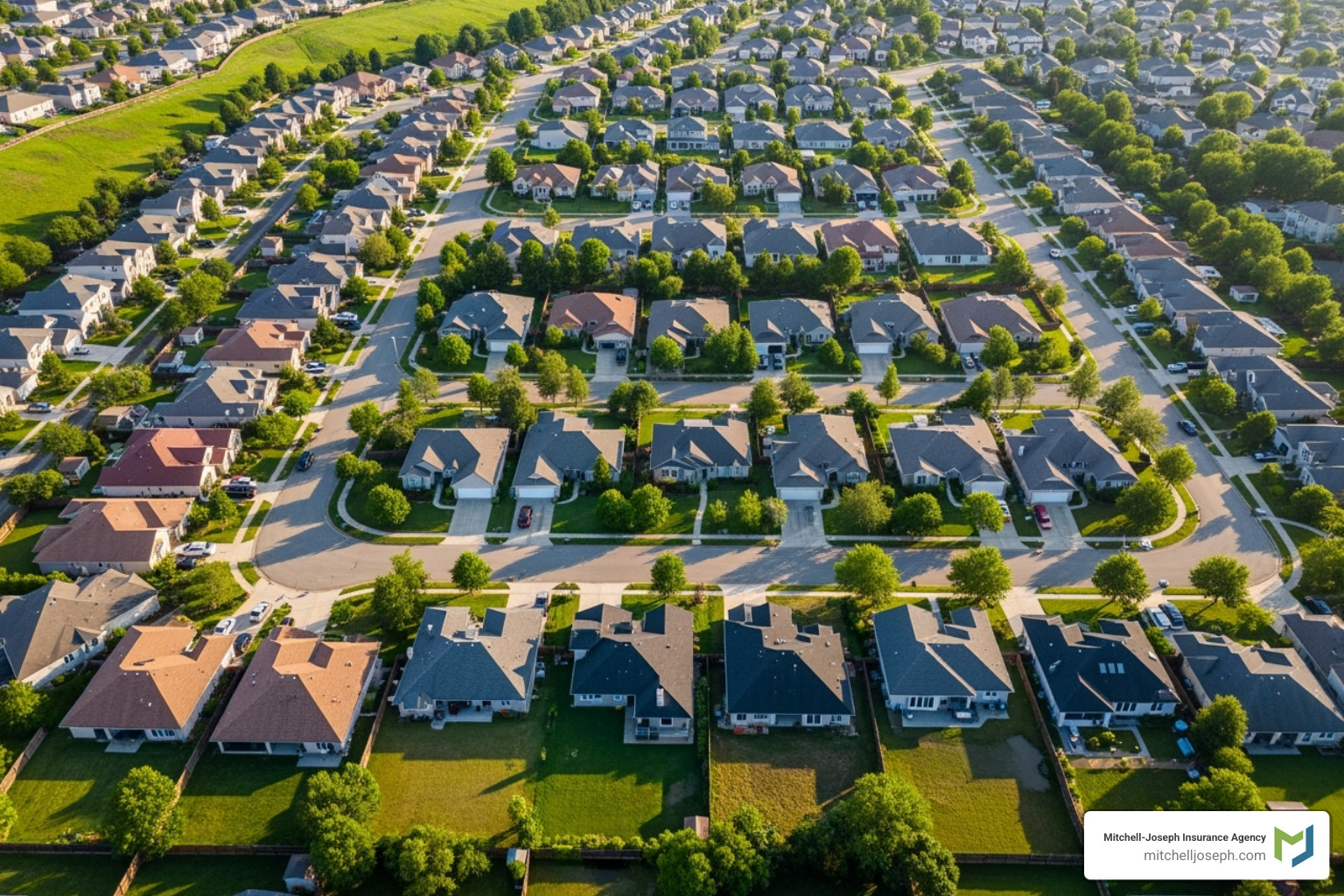
Nearly 40% of flood insurance claims come from outside high-risk flood zones. That means properties in so-called “low-risk” areas. Over a 30-year period, you’re actually five times more likely to experience flooding than a house fire.
FEMA’s flood maps, while valuable, aren’t perfect. They can be outdated and may not capture localized risks from heavy rainfall, new development patterns, or the increasing impact of climate change. A warming atmosphere holds more moisture, potentially creating flood risks in areas previously considered safe.
Your community’s floodplain manager can provide insights FEMA maps might miss. They know about local drainage issues, historical flooding in your specific neighborhood, and ongoing projects that might affect flood risk. In communities like Canandaigua, Victor, and Lima, local knowledge often reveals risks that don’t show up on federal maps.
At Mitchell-Joseph Insurance Agency, we’ve seen too many clients in our Finger Lakes communities find their flood risk the hard way. Learn more about protecting your home on our Home Flood Insurance page.
So, do I have to have flood insurance even if it’s not required?
For most people, the honest answer to do I have to have flood insurance is: “Not legally, but absolutely yes for your financial well-being.”
The peace of mind alone is worth it. When disaster strikes, you want to focus on your family’s safety and recovery – not wonder how you’ll afford to rebuild. Flood damage can easily reach tens or hundreds of thousands of dollars. Without insurance, every penny comes out of your pocket.
Flood risk isn’t just about living near water. Poor drainage, overflowing storm systems, melting snow, or even broken water mains can cause significant damage. Our clients in Mendon, South Bristol, and parts of Rochester have learned that heavy rains can create flooding anywhere.
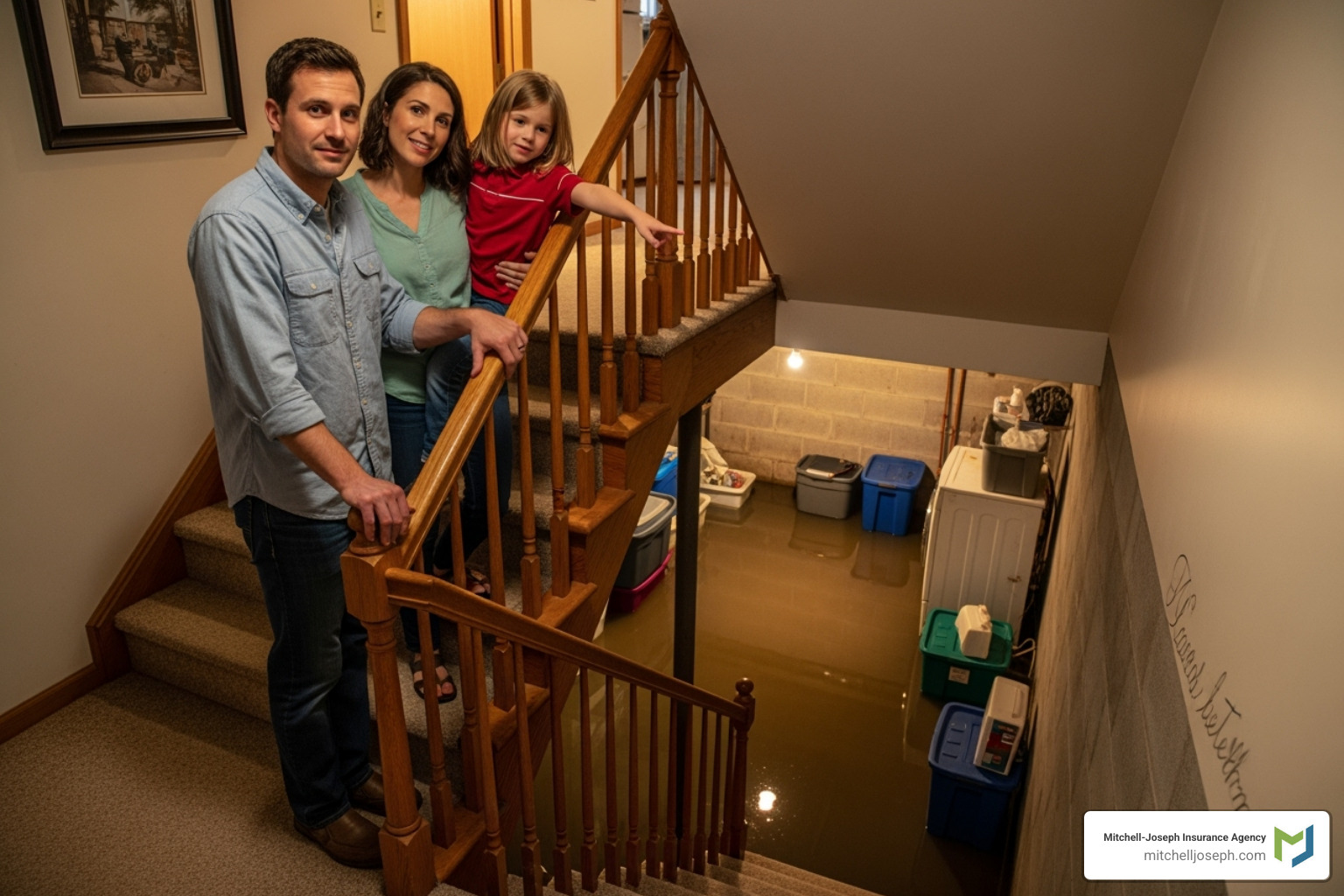
If you’re a renter, your landlord’s insurance won’t cover your belongings. Their policy only protects the building itself. Your furniture, electronics, clothing, and other personal property need separate flood insurance coverage.
Picture coming home after a flood, seeing the damage, but knowing your insurance will help you rebuild. That’s the difference between a temporary setback and a financial disaster. For renters specifically, visit Can Renters Get Flood Insurance? to understand your options.
Your Guide to Flood Insurance Coverage and Action Steps
Now that we’ve established why do I have to have flood insurance is such a critical question, let’s dive into what flood insurance actually covers and how you can get the protection you need. Think of this as your roadmap to making sense of all the policy details and finding coverage that won’t break the bank.
Understanding Your Policy: What’s Covered and What’s Not
Here’s where things get interesting – flood insurance isn’t just “water damage coverage.” It has very specific rules about what counts as flooding and what gets covered when disaster strikes.
What exactly is a “flood” anyway? According to the Official Definition of a flood, it’s not just your neighbor’s sprinkler system gone wild. A flood is a general and temporary condition where normally dry land gets inundated by water. This includes overflow from rivers or lakes, unusual accumulation of surface water (like when storm drains can’t keep up), mudflow, or even erosion along shorelines that causes flooding in the surrounding area.
Here’s a practical example: if heavy rains cause your local creek to overflow and flood your street, that’s covered. If a sewer backs up because of that same flooding event, you’re covered for that too. But if your sewer backs up just because your pipes are old and cranky? That’s a different story entirely.
Flood insurance typically comes in two main buckets: building coverage and contents coverage. You can buy one or both, depending on your needs.
Building coverage protects your home’s structure and essential systems up to $250,000 for residential properties. This includes your foundation, electrical and plumbing systems, your furnace and water heater, built-in appliances like dishwashers, and even permanently installed carpeting. Your detached garage gets coverage too, up to 10% of your building coverage amount. When floodwater damages these elements, you’re covered for repairs or replacement.
Contents coverage protects your personal belongings up to $100,000. We’re talking about your furniture, clothing, electronics, portable appliances, and even the food in your freezer. That expensive artwork on your wall? It’s covered up to $2,500. Your washer and dryer in the basement? Covered. Your grandmother’s antique dining room set? Also covered.
But here’s what flood insurance won’t cover: your beautiful landscaping, that expensive fence you just installed, your swimming pool, or your cars (that’s what comprehensive auto insurance is for). You also won’t get money for business interruption or having to stay in a hotel while repairs are made.
Coverage limits and deductibles work just like other insurance – you can choose a higher deductible to lower your premium, but remember you’ll pay more out of pocket if you need to file a claim. Most policies max out at $250,000 for building coverage and $100,000 for contents under the National Flood Insurance Program.
Here’s something crucial that catches people off guard: the 30-day waiting period. You can’t buy flood insurance on Monday and expect coverage when the storm hits on Tuesday. Most policies don’t kick in for 30 days after purchase. There are exceptions – like when you’re buying a home and flood insurance is required for your mortgage – but don’t count on waiting until the last minute.
Want to understand exactly what your coverage limits should be? Check out our detailed guide on Flood Insurance Coverage Limits. And if you’re curious about timing, our Flood Insurance Effective Date page explains all the waiting period exceptions.
Finding a Policy and Lowering Your Premiums
Getting flood insurance doesn’t have to feel like solving a puzzle blindfolded. Let me walk you through your options and some smart ways to keep costs reasonable.
The National Flood Insurance Program (NFIP) is where most people start, and for good reason. It’s backed by the federal government and available through more than 47 private insurance companies. The key requirement? Your community needs to participate in the program by following floodplain management rules. Good news – most communities in our service area, from Pittsford to Avon to West Bloomfield, are already in the program.
Private flood insurance has become a real option in recent years. These policies come directly from private insurers and sometimes offer different coverage options or pricing than NFIP policies. If you have a higher-value home or unique coverage needs, a private policy might be worth exploring.
Here’s where our expertise at Mitchell-Joseph Insurance Agency really makes a difference. As a family-owned business right here in Honeoye Falls, we understand the unique flood risks across the Finger Lakes region. We’ve been helping families from Rushville to Victor for generations, and our team’s 200+ years of combined experience means we know which questions to ask and which coverage options make sense for your specific situation.
We work with 24 different insurance companies, giving us access to both NFIP policies and private flood insurance options. This isn’t about pushing the most expensive policy – it’s about finding coverage that fits your needs and budget. When you’re wondering “do I have to have flood insurance,” we’re here to help you understand not just the legal requirements, but what makes financial sense for your family.
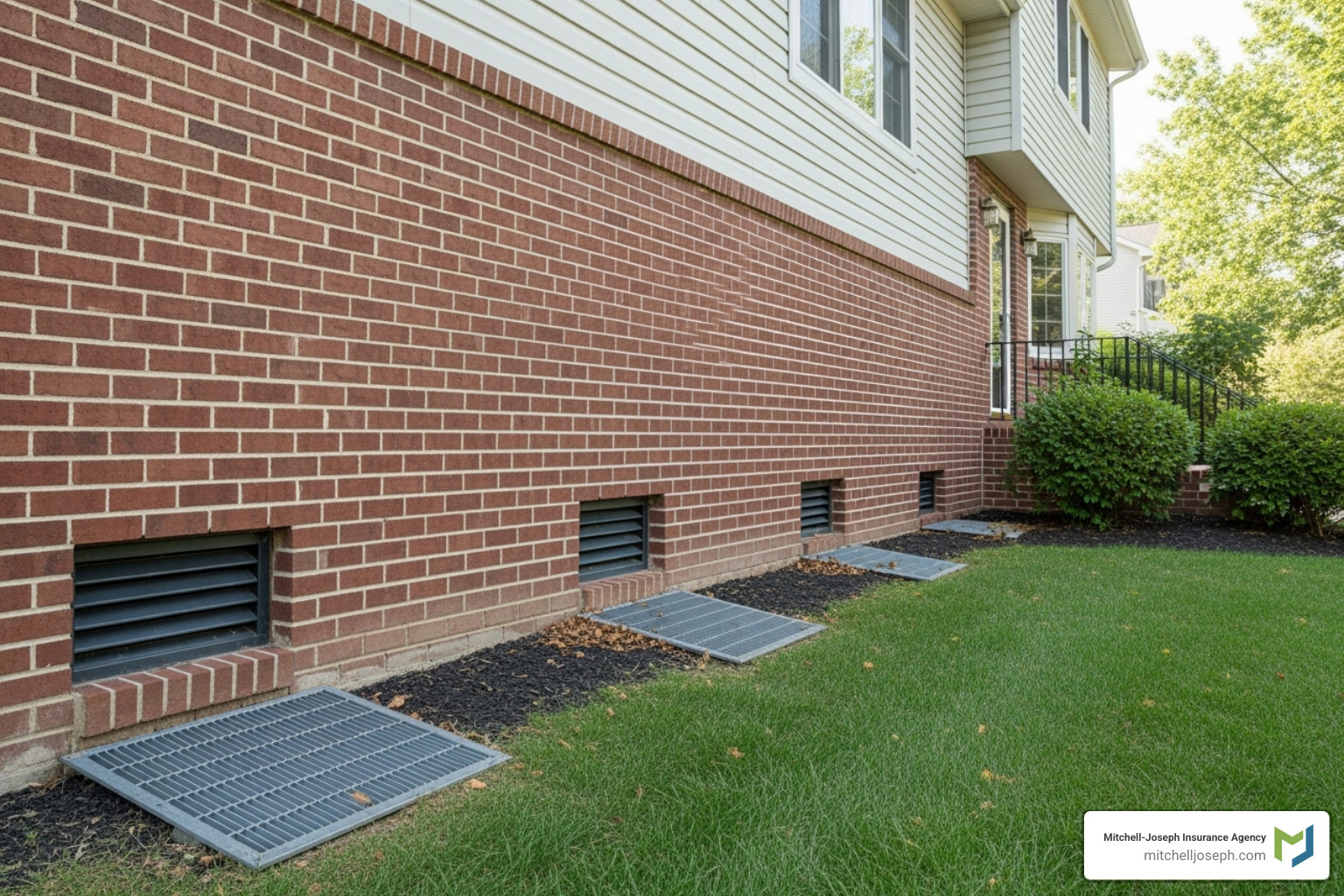
Want to lower your premiums? There are several mitigation measures that can help reduce both your flood risk and your insurance costs. Elevating your utilities – moving your furnace, water heater, and electrical systems above potential flood levels – can make a significant difference in both damage and premiums. Installing flood vents in your foundation allows water to flow through rather than building up pressure against your walls, which can reduce structural damage.
Some homeowners consider waterproofing their basements or installing sump pumps, though these work better for minor seepage than major flooding. And remember, choosing a higher deductible will lower your premium – just make sure you’re comfortable with what you’d pay out of pocket.
The bottom line? While some people ask “do I have to have flood insurance” from a legal standpoint, the smarter question is whether you can afford not to have it. With flooding being the most common and expensive natural disaster, and typical damage running into tens of thousands of dollars, flood insurance is one of the best investments you can make in your financial security.
Ready to explore your options? Explore your flood insurance options today or give us a call. We’ll help you find the peace of mind that comes with knowing you’re prepared for whatever Mother Nature sends your way.

