

Why Sewer Backup Should be on Every Homeowner’s Radar
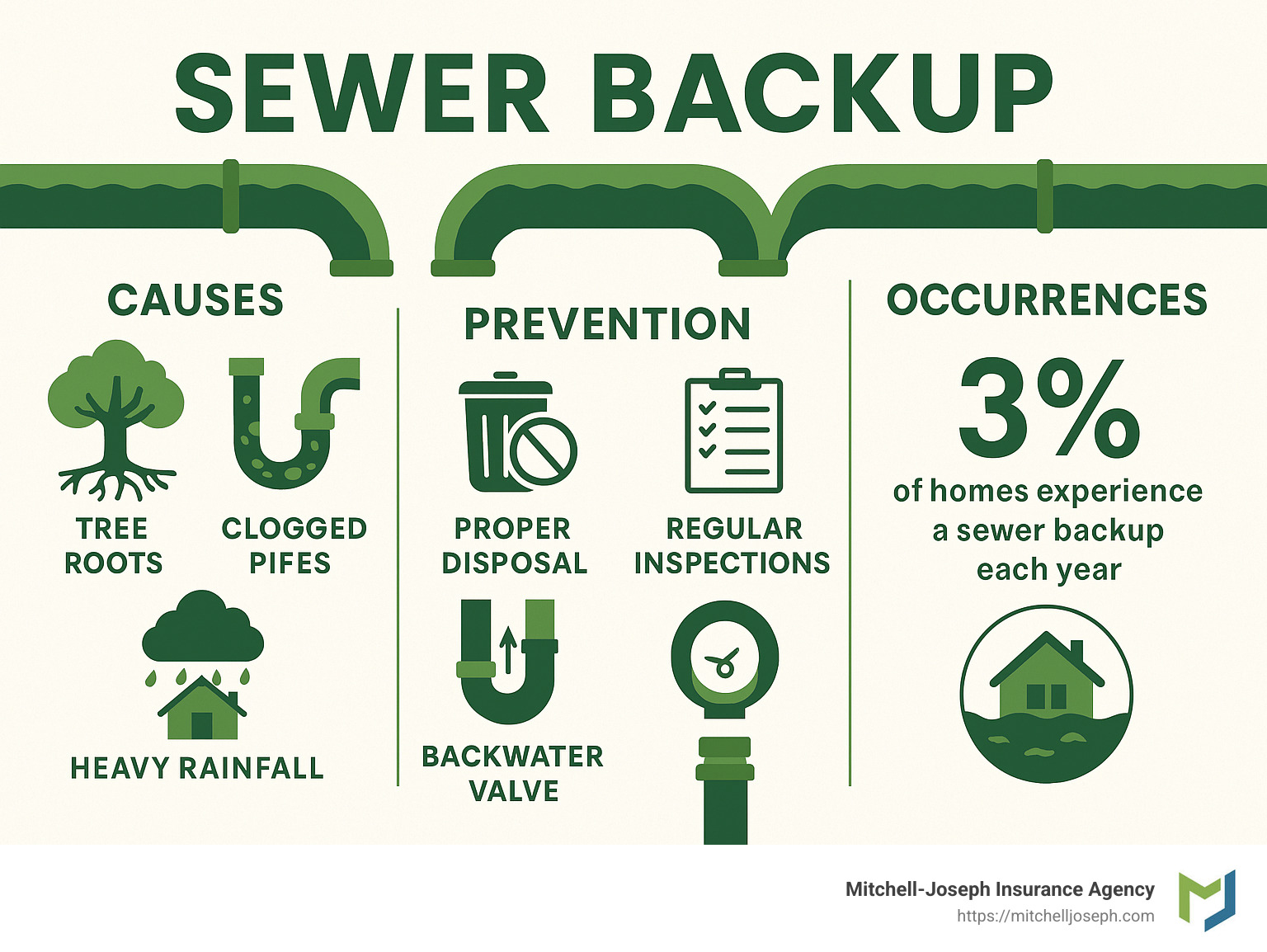
A sewer backup happens when wastewater flows the wrong way through your home’s plumbing, forcing sewage back into living areas. Here’s what you need to know—fast:
- Causes: Clogs from grease, wipes, tree roots invading pipes, damaged sewer lines, and heavy rainfall overwhelming municipal sewer systems.
- Prevention: Install backwater valves, avoid flushing non-flushable items, conduct regular plumbing inspections, and practice proper grease disposal habits.
Sewer backups cause more than just property damage—they pose serious health threats due to exposure to contaminated water filled with harmful viruses, bacteria, and parasites. And they’re becoming increasingly common, rising roughly 3 to 5 percent annually, largely due to aging infrastructure.
That’s why understanding and proactively preventing sewer backups are critical parts of protecting your home, your health, and your finances.
My name is Jeffrey Joseph, owner of Mitchell-Joseph Insurance Agency, where I’ve helped homeowners and businesses steer insurance coverage related to sewer backup for over two decades. Let’s explore what every homeowner must know to stop sewer backups before they start.
Similar topics to sewer backup:
– water backup damage
– what is water backup coverage on homeowners insurance
– water damage due to rain
What is a Sewer Backup?
Have you ever wondered what’s happening beneath your home every time you flush the toilet or run the dishwasher? There’s quite a complex network down there, and when it doesn’t work right, the results can be messy – and smelly!
A sewer backup happens when wastewater that should be flowing away from your home decides to take a U-turn and come back up through your drains, toilets, or other plumbing fixtures. It’s like your home’s plumbing system running in reverse – definitely not what you want happening on a Tuesday morning (or any day, for that matter).
Think of it this way: every time you use water in your home, it needs somewhere to go. Normally, it travels through your pipes and away from your property. But when something blocks that path, the water looks for the path of least resistance – often right back into your home.

Your home’s sewer system is actually pretty fascinating (stay with me here). It consists of:
- P-traps – Those curved pipes under your sinks aren’t just taking up valuable storage space! They hold a small amount of water that creates a seal to prevent sewer gases from wafting into your home.
- Drain pipes – These carry wastewater from individual fixtures throughout your house.
- Sewer lateral – This is the main pipe connecting your home to the municipal sewer system. It runs from your house, across your property, and often extends into the street.
- Main sewer line – The municipal pipe that collects wastewater from multiple homes in your neighborhood.
Here’s something many homeowners don’t realize until it’s too late: you’re typically responsible for maintaining your entire sewer lateral, even the portion that extends beyond your property line into the street. That’s right – if a sewer backup occurs because of a problem with your lateral line, it’s generally your responsibility to fix it, not the city’s.
According to the Civil Engineering Research Foundation, sewer backups are increasing at a rate of about 3% annually. Why? Our nation’s sewer infrastructure is aging, with many sewer lines over 30 years old. As these systems continue to deteriorate, sewer backups will likely become even more common.
Understanding what a sewer backup is and how your home’s plumbing connects to the larger system is your first step toward preventing this messy problem. In the next section, we’ll explore the common culprits behind these backups – and trust me, you’ll want to know what not to flush down your toilet after reading it!
Common Causes of Sewer Backups
Understanding why sewer backups happen can save you from a messy—and potentially costly—headache down the road. Let’s take a look at the common culprits behind these unfortunate events, so you know exactly what to watch out for.
Blockages and Clogs
Believe it or not, the number one cause of sewer backups is something we’re all guilty of: flushing or washing down items that simply shouldn’t go down the pipes. As wastewater expert Jeanie Lentz explains:
“Sewer backups can be triggered by flushing items that should not be flushed—fats, oils, grease, wipes, etc.”
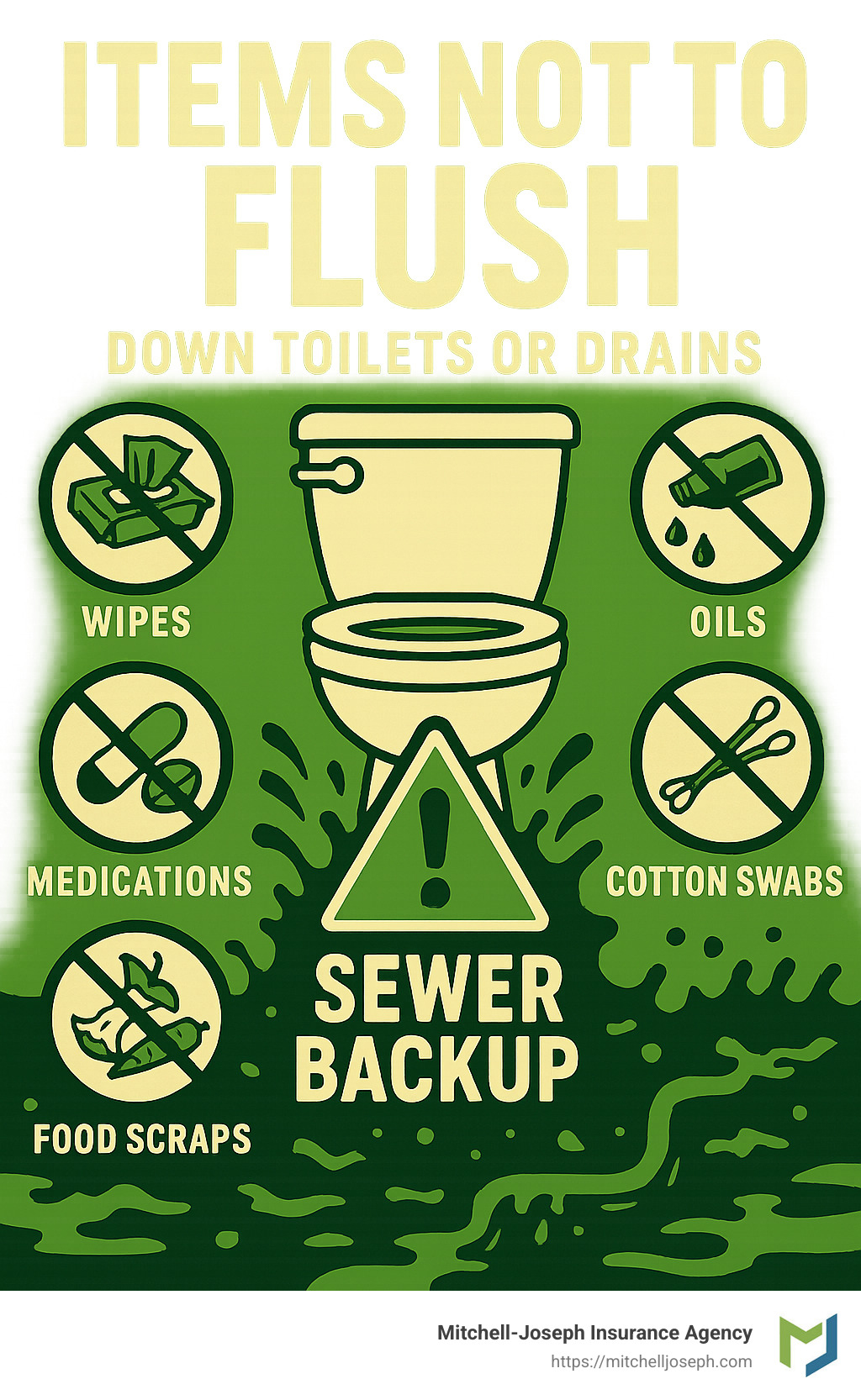
Despite marketing claims, those “flushable” wipes aren’t so flushable after all. Just ask your local plumber! These wipes, along with paper towels, tissues, feminine hygiene products, diapers, cotton swabs, dental floss, hair, cooking grease, oils, and food scraps, can all wreak havoc on your home’s plumbing. Grease is especially tricky—it goes down as liquid but quickly cools and solidifies, blocking pipes and causing major trouble. (Trust us: Your drains aren’t the place for leftover bacon grease!)
For a helpful reminder of items that should never go down your drains, visit the Trash It. Don’t Flush It. campaign.
Tree Roots Infiltrating Pipes
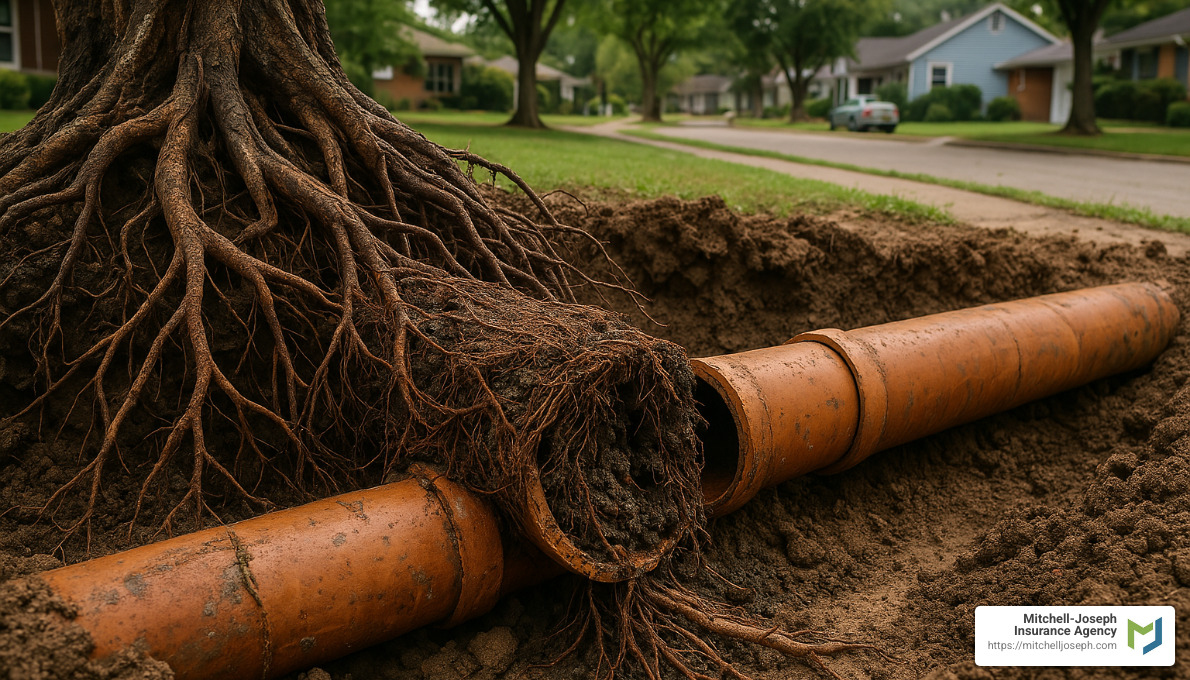
Trees make beautiful additions to any yard, but their roots can be sneaky troublemakers when it comes to your sewer lines. Roots naturally seek out moisture, and your home’s sewer lateral—a prime source of water—can become a target. If roots find even a tiny crack or joint gap, they’ll wiggle in, expand over time, and eventually block or break pipes altogether.
This problem often affects homes in older neighborhoods, where mature trees combine with aging sewer systems made from clay or cast iron pipes. These older materials are far more susceptible to cracks, leaks, and root infiltration than modern PVC pipes, making regular inspections crucial for homeowners in these areas.
Damaged or Aging Pipes
Like anything else, sewer pipes don’t last forever. Most sewer systems in the U.S. are around 50 years old—meaning many are showing their age. Over decades, pipes can become corroded, cracked from shifting soil or freezing temperatures, or collapsed under pressure from the ground above. Misaligned pipes or “bellied” pipes (sections that sag and collect waste) can create blockages or slowdowns in water flow, eventually leading to backups.
Regular sewer inspections can help spot these aging-related issues early, giving you a chance to fix problems before they lead to a full-blown sewer backup.
Heavy Rainfall and Municipal Sewer Issues
Sometimes, a sewer backup has nothing to do with your own pipes at all. Heavy rainstorms can overwhelm municipal sewer systems, especially in cities where stormwater and sewage use the same pipes (known as “combined sewer systems”). When the city’s system gets overburdened, sewage can back up into homes—often through basement floor drains or lower-level fixtures.
Municipal sewer issues can also include blockages in the main sewer line, collapsed city sewer pipes, outdated infrastructure, or maintenance problems. While these situations might be out of your immediate control, installing devices like backwater valves can help prevent municipal sewage from backing up into your home.
Improper Disposal of Grease and Wipes
These two culprits deserve another mention because they’re just so common—and so preventable! Pouring cooking grease down the drain seems convenient at the moment, but it’s a disaster in the making. Once grease cools, it sticks to pipe walls, narrowing them until nothing flows through at all.
Similarly, wipes—even those labeled “flushable”—don’t break down easily. Instead, they cling to any rough edges inside pipes, gradually forming stubborn blockages that can lead to a nasty sewer backup.
To keep your plumbing flowing freely, always dispose of grease in the trash (after it cools!) and toss wipes into the garbage bin, not the toilet. For more guidance on proper disposal practices, check out the Trash It. Don’t Flush It. campaign.
Recognizing the Early Signs of a Sewer Backup
Catching a sewer backup early isn’t just helpful—it’s crucial. It can mean the difference between a quick fix and a costly, messy, and potentially hazardous situation. Thankfully, your home’s plumbing usually gives you a few warning signals before things get really ugly.
Slow Drains and Gurgling Noises
Ever noticed that your bathtub or sink takes a little longer to drain than it used to? Slow-moving drains are often the first clue that trouble is brewing beneath the surface. While a single sluggish drain might simply mean there’s a small clog nearby, when several fixtures around your house begin draining slowly at the same time, that’s a red flag for a possible blockage in the main sewer line.
Here’s another quirky symptom to watch out for: gurgling noises. If your toilet starts making strange bubbling or gurgling sounds when water flows down another drain, don’t shrug it off. What’s happening is air is getting trapped by a blockage in your plumbing, and that air is desperately trying to escape, causing those telltale noises.
So, if running your sink or shower suddenly turns your toilet into a noisy orchestra, or worse yet—causes water to bubble up in places it shouldn’t—it’s time to take action.
Foul Odors and Water Backing Up
Let’s be honest—no one likes talking about smells coming from drains, but that unmistakable sewer gas odor is a clear sign something isn’t right. If you find yourself asking, “What is that smell?” every time you’re near your sink, shower, or toilet, it might be more than just yesterday’s leftovers trapped in the garbage disposal. Persistent foul odors typically signal a developing sewer backup, and they’re worth investigating right away.
As things start to get more serious, you could see actual water backing up in your home’s drains. Usually, this shows up first in the lowest spots in your plumbing—such as basement floor drains, toilets on ground levels, or even tubs on lower floors. You might notice water pooling around floor drains or toilets that overflow easily or refuse to flush properly. Another unsettling sight can be water mysteriously appearing in sinks, showers, or tubs—even when you haven’t used them.
And don’t forget to step outside: wet, soggy patches in your yard along your sewer line could indicate that wastewater is leaking underground. Sometimes soil may even sink or form depressions, hinting at pipe damage beneath.
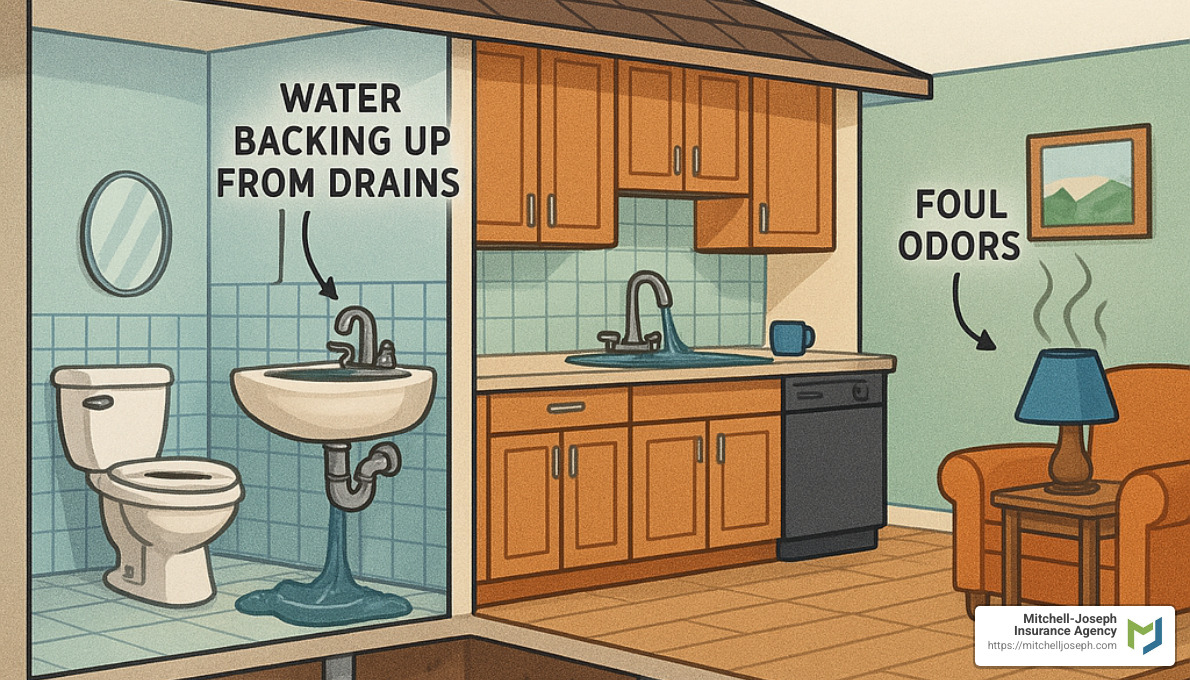
If any of these signs start appearing around your home, don’t ignore them—and please don’t try to wish them away. Acting early can save you from dealing with a full-blown sewer backup. Trust us, cleaning sewage from your living room floor isn’t a DIY project anyone wants.
At Mitchell-Joseph Insurance Agency, we’ve helped clients throughout Rochester and Monroe County steer the aftermath of sewer backups. Time and again, we’ve seen that homeowners who recognize early warning signs—and promptly call in the professionals—avoid the worst damage and expense. So keep an eye (and nose) out for these symptoms, and you’ll stay ahead of sewer troubles.
Immediate Actions to Take During a Sewer Backup
When you’re faced with a sewer backup, staying calm and taking quick action can help limit damage and protect your family’s health. Here’s exactly what you need to do—step by step.
1. Stop Using Water Fixtures
The very first thing you need to do is stop using any water in your home. Turn off faucets, postpone showers, halt laundry and dishwashing, and don’t flush toilets. Adding more water into your system will only push the sewage further into your home, making an already messy situation worse.
2. Turn Off Electricity in Affected Areas
Water and electricity together can spell disaster (and serious danger!). If sewage water is near electrical outlets, appliances, or your home’s electrical panel, gently switch off electricity in those areas. If you’re worried about safety and can’t reach your breaker box safely, that’s okay. Just call your utility company or a professional electrician immediately—they’ll help you stay safe.
3. Avoid Contact with Sewage
Here’s the thing: raw sewage isn’t just nasty—it’s downright dangerous. It contains harmful bacteria, viruses, and parasites that can make you and your family seriously ill.
“A sewer backup is not a DIY situation.”
This simple yet wise piece of advice from industry experts couldn’t be truer. Sewage cleanup is a job best left to the professionals who have the right tools and protective gear.
4. Call a Professional Plumber
Instead of rolling up your sleeves and risking your health, call a licensed plumber right away. They’ll have specialized equipment to identify the exact cause of your backup quickly and safely.
Make sure you choose a plumber who:
– Offers 24/7 emergency service (because backups rarely happen at convenient times!)
– Is experienced specifically with sewer backups
– Uses sewer line cameras for accurate inspections
– Has strong reviews or can provide references
5. Document the Damage
You’ll likely be reaching out to your insurance company, so documentation is key. Take clear photos and videos of the affected areas and damaged items. Jot down exactly when the backup happened and any important details, like heavy rains or recent plumbing issues. Also, save all your receipts—you’ll want to keep track of costs for emergency plumbing services and cleanup efforts.
6. Contact Your Insurance Company
If a sewer backup has already happened, reach out to your insurance provider right away. They’ll help you understand your policy coverage, including whether your standard homeowners’ insurance covers sewer backups or if you have a special rider for this situation.
At Mitchell-Joseph Insurance Agency, we always recommend getting familiar with your sewer backup coverage before a problem arises, but if you’re already in the thick of things, we’re here to guide you smoothly through the claims process.
7. Begin Preliminary Cleanup (With Proper Protection)
If you absolutely have to begin some cleanup before the pros arrive, be sure you’re well protected. Wear rubber boots, gloves, eye protection, an N95 respirator mask, and disposable coveralls to keep harmful germs away.
Porous items like carpet, drywall, upholstered furniture, or mattresses that have gotten soaked with sewage usually can’t be saved safely. It’s best to set these aside carefully for disposal once professionals arrive.
The bottom line is—you don’t have to handle a sewer backup alone. Lean on trusted professionals (and friendly insurance agents like us!) to get through it safely and comfortably.
Health Risks and Safety Precautions
Dealing with a sewer backup is much more serious than just a messy inconvenience—it’s a genuine health hazard. Sewage isn’t something you want to mess with (literally!), as it’s filled with harmful bacteria, viruses, parasites, and even chemicals from household products.
Let’s look at the health risks involved and how you can keep yourself and your family safe if a backup occurs.
Health Risks Associated with Sewage Exposure
When sewage enters your home, it brings along a cocktail of nasty contaminants. These include harmful bacteria like E. coli, Salmonella, and Shigella, which can lead to severe digestive illnesses. Viruses such as Hepatitis A and norovirus can also hitch a ride, causing serious infections. And let’s not forget parasites like Giardia and Cryptosporidium, notorious for creating lasting intestinal troubles.
Beyond these unwelcome guests, sewage might also contain household chemicals and pharmaceuticals that can irritate your skin or cause other health problems. Exposure occurs not just from touching contaminated water, but also from accidentally inhaling airborne particles or even ingesting contaminated droplets without realizing it.
Common health issues associated with sewage exposure can range from painful stomach flu (gastroenteritis) to hepatitis, skin infections, respiratory problems, parasite-related illnesses, and allergic reactions. For an in-depth look at these health risks, check out this detailed scientific research on health risks associated with exposure to sewage.
Essential Safety Precautions
If a sewer backup happens in your home, safety should always come first—your health depends on it! Before stepping anywhere near contaminated areas, make sure you’re equipped with proper protective gear. This includes sturdy rubber boots (knee-high, ideally), heavy-duty waterproof gloves, eye protection like goggles or safety glasses, an N95 respirator mask to filter out harmful airborne particles, and disposable coveralls or old clothing you don’t mind discarding afterward.
Whenever possible, try to stay completely out of contaminated spaces, and definitely keep children and pets away. Resist the temptation to quickly grab items or start cleanup—moving around can stir up contaminated water droplets, increasing your exposure. Also, avoid using fans in contaminated areas until after thorough cleaning and sanitizing, as they can spread germs into the air.
If you do accidentally come into contact with sewage, immediately wash the area thoroughly with soap and clean water. If sewage splashes into your eyes, flush them gently but continuously with clean water for at least 15 minutes. Remove any contaminated clothing right away and wash it separately in hot water with detergent. After cleanup, shower thoroughly from head to toe, and either disinfect or throw away any cleaning tools you’ve used.
It’s essential to remember that some people are especially vulnerable to sewage-related illnesses. Individuals with weakened immune systems, respiratory conditions, open wounds, or pregnant women should completely avoid contaminated areas. If possible, arrange to stay somewhere else temporarily until your home has been properly cleaned and disinfected by professionals.
Additionally, mold (including harmful black mold) can start growing within just 48 hours after a backup, presenting an added health risk. That’s why prompt, professional cleanup and drying are critically important after a sewer backup event.
At Mitchell-Joseph Insurance Agency, we’ve seen how stressful and overwhelming dealing with sewer backups can be. Understanding the health risks and knowing how to protect yourself can help you manage these challenging situations safely—and with a bit less anxiety.
Preventing Sewer Backups
When it comes to sewer backups, a little prevention goes a long way. Investing some time into preventative measures can save you thousands of dollars and countless headaches down the road. Let’s explore some practical, homeowner-friendly ways you can keep your sewer system running smoothly.
Proper Waste Disposal Practices
Believe it or not, one of the biggest culprits behind sewer backups is simply what we put down our drains and toilets. In the kitchen, avoid pouring grease, cooking oil, or fat down the sink. It might slide down nicely when it’s hot, but it quickly cools, hardens, and clings to pipe walls—causing serious blockages. Instead, let it cool, scrape it into a container, and toss it in the trash.
In the bathroom, remember: toilets are not trash cans (even if the packaging says “flushable”). The golden rule is to only flush human waste and toilet paper. Everything else, including wipes (flushable or otherwise), feminine hygiene products, cotton swabs, dental floss, hair, and paper towels, should go straight into the garbage bin.
This helpful infographic illustrates common items you should always keep out of your plumbing system:
For more handy tips on proper waste disposal, check out NYC’s Department of Environmental Protection’s handy Trash It. Don’t Flush It. campaign.
Regular Sewer Maintenance and Inspections
You get regular checkups at the doctor for your own health—why not give your sewer line the same care? Scheduling professional sewer inspections every year or two helps catch problems before they become messy emergencies.
In older homes, or neighborhoods like many around Monroe County and Rochester, regular inspections become particularly important. Camera inspections can pinpoint issues like tree root infiltration, pipe cracks, and blockages early, saving you costly repairs down the road. If you’ve had root intrusion problems before, regular root cutting every 1–3 years is a smart preventive measure.
Keeping careful records of these inspections and any maintenance you have done will prove helpful if you ever need to file an insurance claim or sell your home.
Just look at how invasive tree roots can get if left unchecked:
Installing Backwater Prevention Devices
Even with the best habits, sometimes the problem isn’t your pipes—it’s the city’s sewer lines. During heavy rains or municipal sewer issues, wastewater can flow backward into your home unless you have protective measures in place.
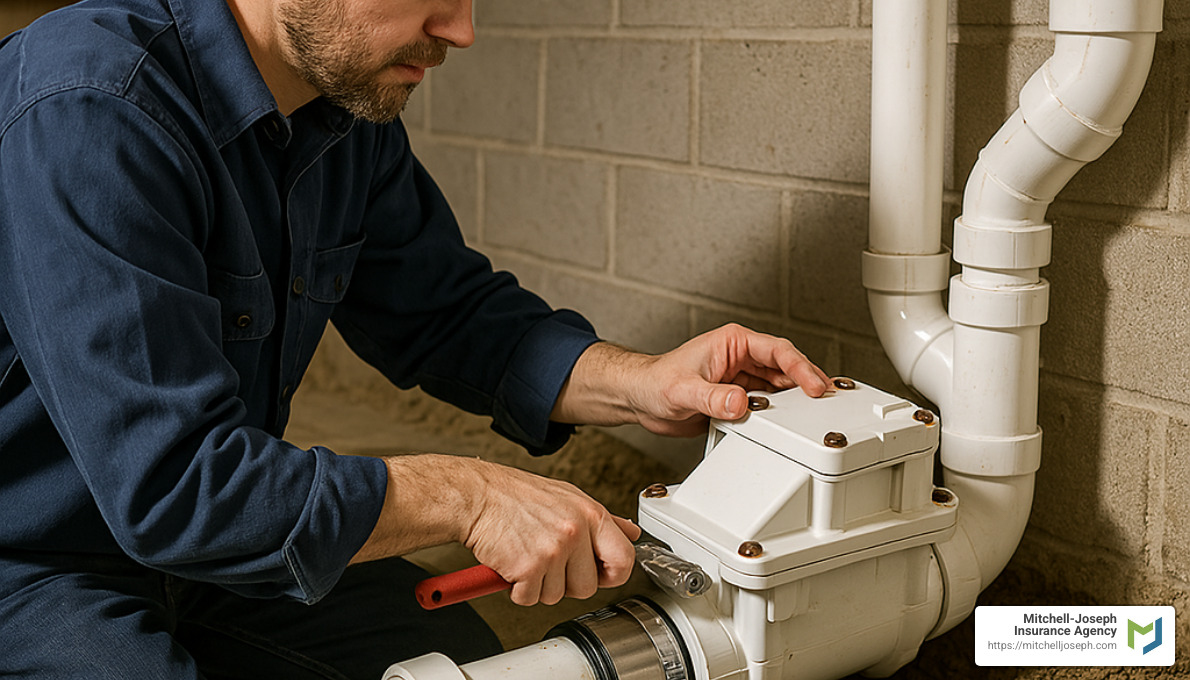
A backwater valve (also called a backflow preventer or check valve) is your best defense in these situations. This handy device lets wastewater flow out but stops it from flowing back in, keeping nasty surprises out of your basement. Installation typically costs between $1,000 and $2,500; while that might seem steep at first glance, it’s a small price compared to the cleanup and repair costs from a major sewer backup.
Additionally, a sump pump can help manage water entering your basement from various sources during heavy storms or backups. Choose a model with battery backup, conduct regular tests, and consider installing a water alarm system that alerts you to rising water levels.
Here’s what a backwater valve installation typically looks like:
Landscaping Considerations
Your yard might not be the first thing you think of when protecting your home from sewer trouble, but landscaping choices have a surprisingly big impact. Trees with aggressive roots can infiltrate and damage sewer lines, especially older pipes common in the Rochester area.
As a guideline, plant trees at least 10 feet away from sewer lines. If you already have mature trees near your sewer lateral, installing a root barrier can prevent roots from invading your sewer system. Proper yard grading and directing downspouts away from your sewer line and foundation can also help prevent backups.
Addressing Illegal Plumbing Connections
Many homeowners are surprised to learn their home might have illegal plumbing connections. French drains, sump pumps, and roof downspouts should never connect to your home’s sanitary sewer system because they can overwhelm it during storms, creating backups.
If you suspect your home has one of these improper connections, consult a licensed plumber to investigate and correct the issue. Some municipalities even have programs or incentives available to help homeowners offset the costs. For more detailed guidance, check out this helpful guide on how to prevent backups in your sewer lateral and in the city main.
With these preventive measures in place, you can rest easier knowing you’ve greatly reduced your risk for a dreaded sewer backup. And remember, if you have questions about sewer backup coverage or insurance details, we at Mitchell-Joseph Insurance Agency are always here to help!
When to Handle a Sewer Backup Yourself and When to Call a Professional
Dealing with a sewer backup can be an incredibly unpleasant and stressful experience. But before you grab your trusty plunger or rush to call a plumber, know when a DIY approach is appropriate and when it’s best to hand it over to professionals.
Let’s take a closer look.
DIY Methods for Minor Clogs
If you’re experiencing just one sluggish drain or toilet, it might be a minor issue that you can tackle yourself. These localized clogs often occur due to hair, soap buildup, or small items accidentally flushed down the toilet. Here are a few trusted methods to help you clear them up:
A good old-fashioned plunger is still the first tool you should reach for. Using a bell-shaped plunger (ideal for toilets), form a tight seal around the drain opening. Give it several short, forceful plunges for about 20 seconds. You might need to repeat this a few times to break up the clog and get the water flowing again.
If a plunger isn’t doing the trick, a drain snake (also known as an auger) might be your next best friend. These devices are easy to find at local hardware stores. Insert the snake into the drain, turning the handle clockwise until you feel resistance—likely the clog. Keep twisting to break it up, then carefully remove the snake and flush with hot water.
Prefer a more natural solution? A mixture of baking soda and vinegar can do wonders for mild clogs. Pour half a cup of baking soda down the drain, follow it with half a cup of vinegar, and cover the drain with a damp cloth for about 30 minutes. Then, flush it with hot water. It’s safe for your plumbing and environmentally friendly too!
As for chemical drain cleaners, use them sparingly and with great caution. These can sometimes cause more harm than good by damaging pipes or creating hazardous conditions. Only choose this option if you’re certain there’s no complete blockage.
When to Call a Professional
While minor clogs might be manageable on your own, some sewer backup situations require professional expertise. Knowing what these situations look like can save you time, money, and frustration.
If you’re noticing multiple drains backing up simultaneously, that’s a clear sign that the problem lies in your main sewer line. For instance, if flushing your toilet causes water to bubble up in the shower or tub, or if sinks throughout your home are draining slowly, it’s time to call in the experts.
Recurring clogs in the same drain are another indication of a deeper issue. If you’re regularly clearing blockages but they keep coming back, you might be dealing with tree roots infiltrating your pipes or damaged sewer lines. Professionals have specialized equipment to diagnose and fix these persistent problems.
Any incident involving raw sewage overflow is a definite “do not pass go” situation. Sewage contains dangerous bacteria and viruses, posing serious health risks. Don’t attempt to clean this up yourself—leave it to the pros who have the proper safety gear and experience.
Additionally, if you notice persistent gurgling sounds or foul sewage odors, contact a plumber right away. These are early warning signs that shouldn’t be ignored.
A good rule of thumb comes from plumbing professionals themselves:
“Contact a professional plumber immediately if signs of a sewer backup are detected.”
This is especially true here in the Rochester and Monroe County areas where older homes and aging infrastructure can create complex sewer line challenges.
How Professionals Handle Sewer Issues
Ever wondered how plumbers manage those tricky sewer backups? First, they’ll likely perform a camera inspection. By sending a small, waterproof camera down your pipes, they’ll quickly pinpoint the exact location and cause of the blockage, whether it’s invasive tree roots, collapsed pipes, or stubborn grease buildup.
Once they find the culprit, plumbers typically use a technique called hydro jetting. Powerful streams of high-pressure water blast away the blockage and thoroughly clean the inside of your pipes. It’s extremely effective against tree roots and grease deposits and can restore pipes to like-new condition.
If your pipes are damaged, professionals might recommend pipe relining. This innovative solution creates a brand-new pipe lining within your existing sewer pipe without digging up your yard. It’s less invasive, more affordable, and quicker to complete than traditional pipe replacements.
In severe cases, plumbers may use a method called pipe bursting. This involves pulling a new pipe through the old one, breaking up the damaged pipe as it goes. It’s an efficient way to replace severely compromised sewer lines.
While pricing varies, professional sewer line cleaning usually costs between $150 to $800, depending on the severity. More extensive pipe repairs could run anywhere from $3,000 to $25,000, but despite the cost, these repairs are far more affordable than dealing with extensive property damage caused by an unchecked sewer backup.
Whether it’s a DIY-friendly minor clog or something more serious, understanding your options and acting quickly can save you from a messy—and costly—situation.
Insurance Considerations for Sewer Backups
I’ve had to deliver some tough news to many clients over the years: standard homeowners insurance policies typically don’t cover sewer backup damage. The shock on a homeowner’s face when they learn this during an emergency is something I never get used to seeing.
Standard Homeowners’ Insurance Coverage Limits
Here’s the hard truth – most standard homeowners insurance policies specifically exclude damage from backed up sewers, overflowing drains, and water that seeps up from below ground. This coverage gap can be devastating financially, as cleanup and repairs from a sewer backup often cost thousands or even tens of thousands of dollars.
I remember helping a family in Pittsford last year after a major backup flooded their finished basement. They were stunned to find their standard policy wouldn’t cover the $18,000 in damages. Unfortunately, this scenario plays out far too often across Rochester and Monroe County.
The Need for Sewer Backup Insurance Riders
The good news is that protection is available – you just need to specifically add it to your policy. This additional coverage goes by several names including water backup coverage, sewer and drain backup coverage, or water and sewer backup coverage.
This specialized endorsement typically covers damage caused by backed-up sewers, overflowing drains, malfunctioning sump pumps, and the related cleaning and repair costs that follow these events. It’s one of those policy add-ons that seems minor until you actually need it – then it becomes invaluable.
| Coverage Type | Standard Homeowners Policy | With Sewer Backup Rider |
|---|---|---|
| Structure damage from sewer backup | Not covered | Covered up to policy limits |
| Personal property damage from sewer backup | Not covered | Covered up to policy limits |
| Cleanup costs | Not covered | Covered up to policy limits |
| Temporary relocation expenses | Not covered | May be covered |
| Preventive measures | Not covered | May offer discounts for installed devices |
Cost Considerations
The silver lining here is that sewer backup coverage is surprisingly affordable compared to the protection it provides. Most of our clients pay between $40 and $160 annually for this coverage, with limits typically ranging from $5,000 to $25,000. Higher coverage limits are available for an additional premium if your home requires more protection.
What you’ll pay depends on several factors including your home’s location, the age of your plumbing system, your claims history, and the coverage limit you select. For most homes in our service area, the cost works out to just a few dollars per month – a small price for significant peace of mind.
One of our clients in Brighton recently told me adding this coverage was “the best $52 I spend each year” after it saved her over $12,000 in cleanup costs following a backup caused by tree roots.
Making an Informed Decision
When considering whether to add sewer backup insurance, I encourage homeowners to ask themselves some important questions:
Is your home in an area with aging sewer infrastructure? Many neighborhoods around Rochester have sewer systems that are 50+ years old.
Do you have large trees near your sewer line? Those beautiful maples lining your driveway might have roots extending right into your pipes.
Is your home in a low-lying area or flood zone? These locations face higher risks during heavy rainfall events.
What would the financial impact be if you had to pay for cleanup and repairs entirely out of pocket?
For most homeowners we serve in the Rochester area and surrounding counties, adding this coverage is a straightforward decision once they understand the risks. The relatively modest cost compared to the potential financial devastation of an uncovered sewer backup makes it one of the smartest insurance investments you can make.
For more detailed information about insurance coverage for water damage from sewer backups, you can read our comprehensive guide: Does Homeowners Insurance Cover Water Damage from Sewer Backup?
Frequently Asked Questions about Sewer Backups
What should I do immediately after a sewer backup?
When a sewer backup happens, it’s easy to panic—but keeping calm and taking quick, careful action is key. First things first: stop using all water fixtures like sinks, toilets, showers, and appliances. Any extra water can worsen the backup and increase the mess.
Next, if you see water approaching electrical outlets, appliances, or your electrical panel, turn off electricity to the affected areas. Water and electricity are a dangerous combination, and safety always comes first.
Because sewage is full of harmful bacteria and viruses, avoid any direct contact with contaminated water or affected areas. If you absolutely must enter the space, put on your best protective gear—rubber boots, waterproof gloves, eye protection, and an N95 mask are your new best friends here.
Now, reach out to a professional plumber right away. This isn’t the time for DIY heroics—sewer backups are messy, complicated, and potentially dangerous. A licensed plumber has the right tools and knowledge to diagnose the issue quickly and safely.
While you’re waiting for help to arrive, grab your smartphone and document the damage thoroughly with photos and videos. This documentation can be crucial later on if you need to file an insurance claim.
Speaking of insurance, call your insurance company as soon as possible to report the incident. They’ll let you know if your policy covers sewer backup damage and walk you through next steps.
Finally, once it’s safe to do so, you’ll want to remove any standing water within 48 hours to prevent mold and bacteria growth. After cleanup, thoroughly disinfect every surface that’s been affected. Sewage cleanup is tricky, and it’s often best handled by professional cleaning companies who specialize in these messy situations.
Can heavy rainfall cause a sewer backup in my home?
Absolutely! Heavy rainfall is a common culprit behind sewer backups, especially in areas with older infrastructure or combined sewer systems (where stormwater and sewage flow through the same pipes). During intense storms, these systems can get overwhelmed by the volume of water, pushing sewage backward into homes.
Even your home’s own plumbing can contribute to the issue. Cracks or loose joints in sewer lines allow rainwater to seep in, quickly filling and overwhelming your system. Additionally, if your sump pump can’t keep up with the heavy rainfall—or if there’s a power outage causing it to stop working—water can back up into your basement.
The good news? There are effective ways to reduce the risk. Installing a backwater valve can help keep sewage from flowing back into your home. Consider adding a battery backup to your sump pump to ensure it works even during power outages. Proper yard grading and clean, functional gutters and downspouts also go a long way toward directing water away from your foundation and reducing backup issues.
Does homeowners’ insurance cover damage from sewer backups?
Here’s the thing many homeowners learn the hard way: standard homeowners insurance policies usually do not cover damage from sewer backups. That’s a tough surprise when you’re knee-deep in trouble (literally).
To avoid financial heartache, you’ll need a special endorsement or rider—often known as water backup or sewer and drain backup coverage. This affordable addition typically costs between $40 and $160 per year, depending on your home’s location and the coverage limits you choose.
A sewer backup rider typically covers the cleanup costs, damage to your home’s structure, and personal belongings damaged by sewage. In some cases, it may also cover temporary living expenses if your home becomes unlivable during cleanup and repairs.
At Mitchell-Joseph Insurance Agency, we strongly recommend adding this coverage to your policy, especially if you live in Monroe County or the greater Rochester area, where older homes and aging infrastructure put you at greater risk.
How much does it typically cost to repair a sewer line?
The cost to fix a sewer line varies significantly depending on the problem and repair method. For simple clog removal by a professional, you can expect to pay between $150 to $400. If tree roots have invaded your pipes (a very common issue!), removing them usually costs around $300 to $600.
For larger jobs, costs go up. Repairing a small, damaged section of pipe typically ranges from $1,500 to $4,000. Replacing a 10-foot section of sewer line can run you between $3,000 and $7,000.
In extreme cases where a complete sewer line replacement is required, you might be looking at anywhere from $8,000 to $25,000 or more, depending on accessibility, pipe depth, repair method, and landscaping needs.
Trenchless methods such as pipe lining or pipe bursting often save you money, typically costing 30-50% less than traditional excavation methods. Plus, they minimize disruption to your property.
How often should I have my sewer line inspected?
Regular sewer line inspections can spot potential problems before they become costly disasters. For most homes, scheduling an inspection every 1-2 years is a smart practice.
But if your home was built before the 1970s, or if you’ve had previous sewer problems or tree root issues, it’s wise to get these inspections annually or even twice a year.
Your plumber will typically use a specialized camera inspection to check for tree roots, pipe damage, clogs, or misalignments. A professional inspection usually costs between $250 and $500—far less than dealing with a full-blown sewer backup emergency.
Many of our Rochester-area clients opt for springtime inspections, giving them peace of mind before those heavy summer rains roll in.
Conclusion
Sewer backups aren’t just messy—they’re a serious threat to your home, your wallet, and even your health. Unfortunately, they’re also becoming more common, with incidents rising roughly 3-5% each year due to aging infrastructure.
But here’s some reassuring news: most sewer backups are preventable. And prevention is a whole lot easier—and cheaper—than dealing with the aftermath.
Simple habits like being careful about what you put down your drains make a huge difference. “Flushable” wipes aren’t actually flushable, and cooking grease belongs in the trash, not your sink. Regular maintenance and inspections can catch problems early, before they turn into all-out disasters.
Protective devices like a backwater valve or a well-maintained sump pump can be lifesavers during heavy rainfall or municipal sewer overloads. And knowing the early signs—slow drains, weird gurgling sounds or unpleasant odors—can help you spot trouble quickly and respond before damage occurs.
One crucial step homeowners often overlook is insurance coverage. Standard homeowners’ policies usually don’t protect you from sewer backup damage. To ensure you’re covered, you’ll need a specific sewer backup endorsement on your policy. Considering the potential costs of cleanup and repairs, this affordable coverage is a smart investment.
At Mitchell-Joseph Insurance Agency, we’ve seen first-hand how stressful sewer backups can be for homeowners—especially when they realize their insurance doesn’t cover the damage. For over two decades, we’ve helped families throughout Monroe County and the Rochester area steer these tricky waters. With more than 200 years of combined experience and partnerships with 24 leading insurance companies, our family-owned business is dedicated to finding the right coverage for your unique needs.
Don’t wait until you’re knee-deep in trouble (literally!) to figure out if you’re covered. We’re here to help you understand your options and ensure you have the right protection in place. Contact us today to review your current homeowners’ insurance policy and explore affordable water backup coverage.
Want to learn more? Check out our helpful resource center on Water Backup Insurance or give us a call to speak directly with one of our friendly agents.
When it comes to sewer backup, a little prevention today can mean big savings—and peace of mind—tomorrow.

