Service line insurance is an essential but often overlooked part of home protection that covers damage to the underground utility lines leading into your home. These lines, such as water pipes, gas lines, and internet cables, are crucial for daily life and, if damaged, repairs can be quite expensive. As a homeowner, you’re responsible for the maintenance and repair of these service lines from the street to your house, which many don’t realize until it’s too late. Here’s a quick overview:
- Coverage: Repairs for damaged underground pipes and utility lines.
- Types of Lines: Includes water, gas, electric, and connectivity lines.
- Homeowner’s Responsibility: Your responsibility starts at the street’s edge and covers your yard, up to your home.
I’m Jeffrey Joseph, and my experience at Mitchell-Joseph Insurance has shown me the importance of service line insurance in safeguarding homes and pocketbooks against unexpected repair costs.
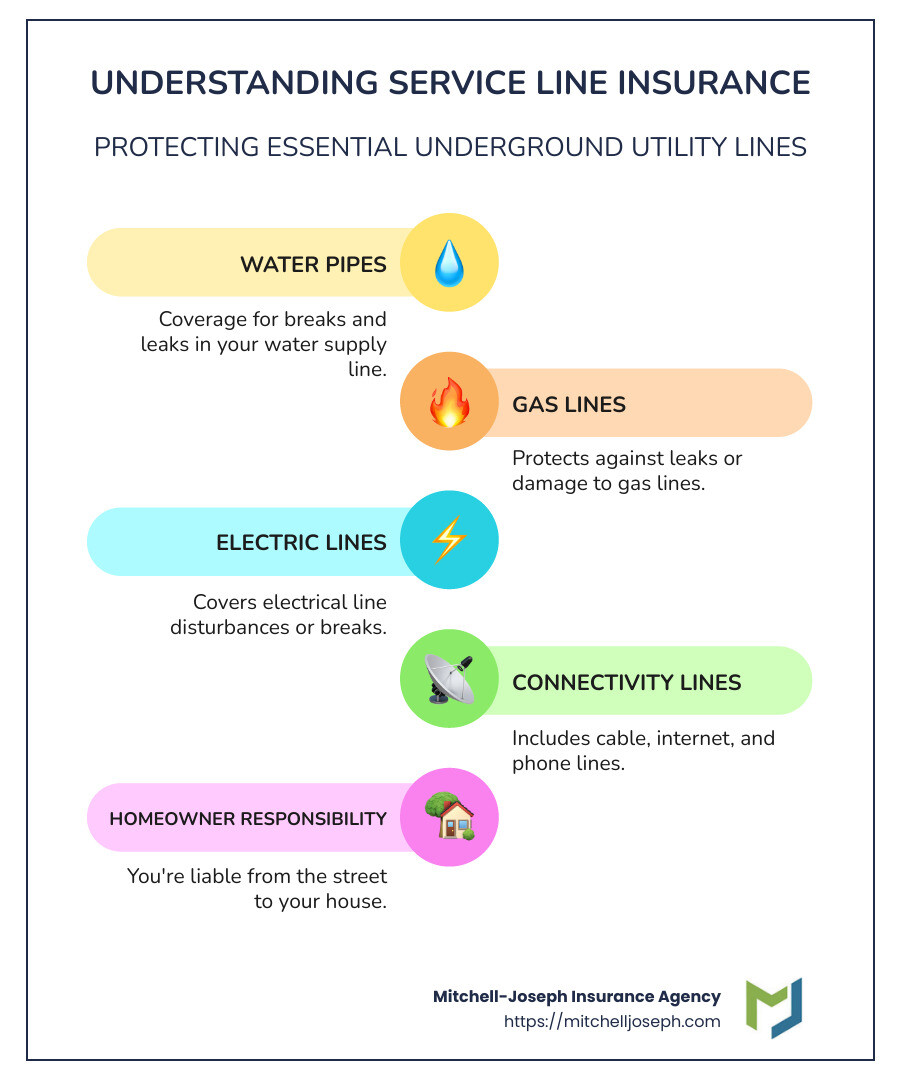
What is Service Line Insurance?
Service line insurance is an optional endorsement you can add to your homeowners insurance policy. It covers the costs to repair or replace buried utility lines that run from the street to your home. These lines include crucial services like water, sewer, gas, electric, and connectivity lines.
Why Consider Service Line Insurance?
Many homeowners are unaware that they are responsible for the maintenance and repair of these underground lines. If a line breaks or becomes damaged, fixing it can be costly. For example, the average cost to repair a sewer main is about $2,556, and a full replacement can escalate to $25,000. Without coverage, these expenses fall directly on the homeowner.
Coverage Details
Service line insurance typically covers:
- Repair or Replacement Costs: For damaged utility lines.
- Excavation Work: Necessary to access the damaged lines.
- Landscaping Restoration: To fix any yard damage caused during repairs.
Coverage limits usually cap around $10,000 per occurrence, with a deductible often applied. The specifics can vary depending on the insurer and the policy.
Optional but Valuable
While not mandatory, this insurance can be a lifesaver for homeowners, especially those in areas prone to issues like freezing temperatures or invasive tree roots. It’s important to review your current policy and consider whether adding this coverage aligns with your needs.
In summary, service line insurance offers peace of mind by covering unexpected repair costs for utility lines that are your responsibility. Understanding your policy and coverage options can help you make informed decisions to protect your home and finances.
Types of Service Lines Covered
When it comes to service line insurance, understanding what types of lines are covered is crucial. This coverage typically includes several key utility lines that connect your home to essential services.
Water Pipes
Water pipes are the lifelines that bring fresh water into your home. They include incoming water pipes, internal water pipes, sewer lines, and even sprinkler pipes. If these pipes become damaged due to freezing, corrosion, or other factors, service line insurance can cover the repair or replacement costs.
Sewer Lines
Sewer lines carry waste away from your home to the municipal sewer system or a septic tank. Damage to these lines can be costly and disruptive, with repair costs averaging around $2,556, and a full replacement potentially reaching $25,000. This insurance can cover the costs of repairs, excavation, and any landscaping needed after the work is done.
Gas Lines
Gas lines supply natural gas or other fuels to your home, powering stoves, heaters, and other appliances. A leak or break in these lines can be dangerous and expensive to fix. Service line insurance provides coverage for these repairs, ensuring your home remains safe and functional.
Electric Lines
Buried power lines connect your home to the electricity grid. Damage to these lines can lead to power outages and costly repairs. This coverage ensures that if your electric lines are damaged, the repair costs won’t come out of your pocket.
Connectivity Lines
In today’s connected world, fiber optic, cable, and internet lines are essential for communication and entertainment. Damage to these lines can disrupt your daily life. Service line insurance often includes coverage for these connectivity lines, so you can stay connected without worrying about unexpected repair costs.
In summary, service line insurance provides coverage for a variety of essential utility lines, offering peace of mind and financial protection against costly repairs. Understanding which lines are covered can help you make informed decisions about your insurance needs.
How Service Line Insurance Works
Understanding how service line insurance operates can help you make informed decisions about protecting your home. Let’s break down the key components: coverage limits, repair costs, excavation, and landscaping.
Coverage Limits
Most service line insurance policies have coverage limits, often up to $10,000 per occurrence. This means if a service line breaks or leaks, your insurance can cover the repair costs up to this limit. That a deductible, typically around $500, will apply before the insurance kicks in.
Repair Costs
Repairing a damaged service line can be expensive. For instance, fixing a sewer main averages about $2,556, but a complete replacement could soar to $25,000. This insurance helps cover these costs, sparing you from significant out-of-pocket expenses.
Excavation
When a service line is damaged, accessing it often requires excavation. This process involves digging up parts of your yard to reach the affected line. The cost of excavation can add up quickly, but service line insurance typically covers these expenses, ensuring the repair process is as smooth as possible.
Landscaping
Repairing a service line can disrupt your yard, affecting trees, shrubs, and lawns. After the repair, you’ll likely need to restore your landscaping. Fortunately, many service line insurance policies include coverage for these restoration costs, helping you return your yard to its original state.
In summary, service line insurance offers comprehensive protection by covering repair costs, excavation, and landscaping. With this coverage, you can handle unexpected service line issues with ease and confidence.
Common Causes of Service Line Damage
Service lines, though hidden underground, are vulnerable to several types of damage. Understanding these common causes can help you take preventive measures and know what to expect if a problem arises.
Wear and Tear
Over time, service lines naturally degrade. Just like any other component of your home, they experience wear and tear. This gradual deterioration can lead to leaks or breaks, especially in older lines. Regular inspections can help catch these issues early.
Corrosion
Corrosion is a common culprit for service line damage, particularly for metal pipes. Exposure to soil and moisture can cause metal pipes to rust and weaken. This can eventually lead to leaks or even complete failure of the line. Using corrosion-resistant materials can help mitigate this risk.
Tree Roots
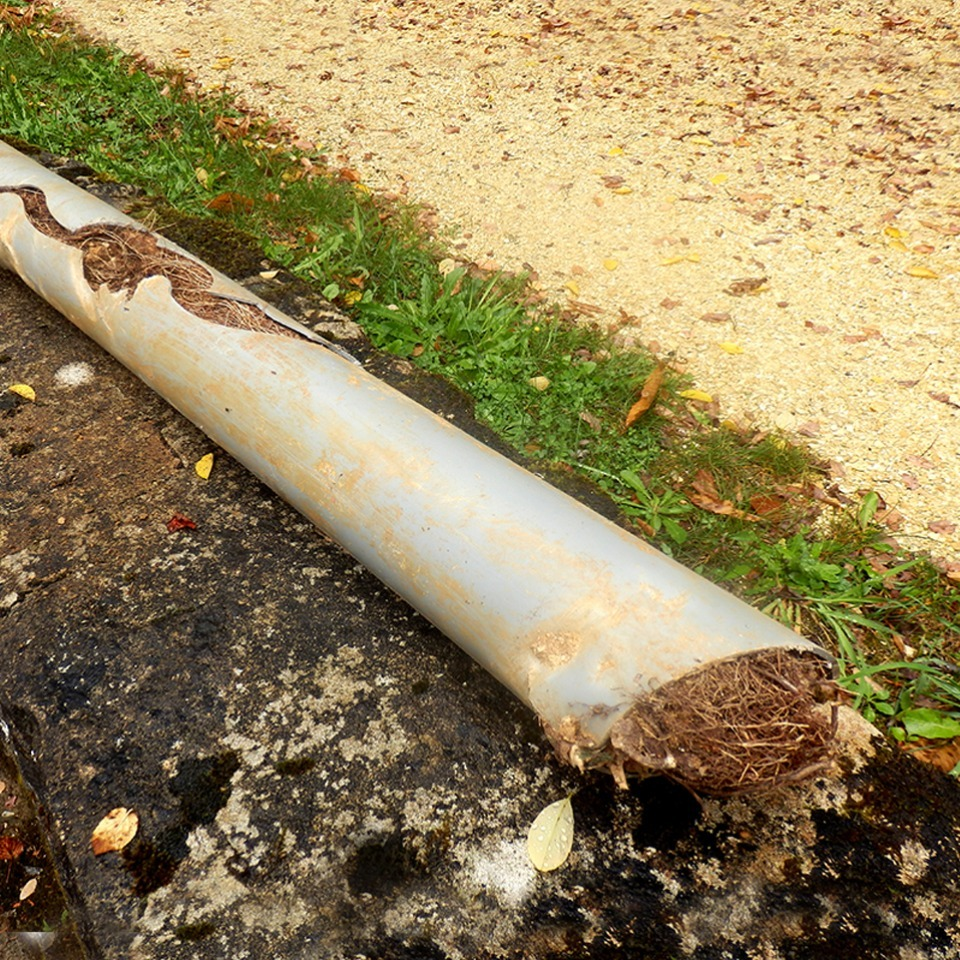
Tree roots are notorious for causing service line problems. As trees grow, their roots can extend far and wide. They often find their way to service lines, attracted by moisture. These roots can wrap around pipes, causing blockages or even breaking them. Regular maintenance and strategic tree planting can help prevent this issue.
Freezing
In colder climates, freezing temperatures can wreak havoc on service lines. Water inside pipes can freeze, leading to expansion and potentially causing the pipe to burst. Proper insulation and maintaining a constant flow of water during extreme cold can help prevent freezing damage.
Mechanical Breakdown
Finally, mechanical breakdown can occur due to various factors, including poor installation or external pressure. For example, heavy machinery used in construction or landscaping can inadvertently damage service lines. Ensuring that any work done near these lines is performed with care can reduce the risk of mechanical breakdown.
By understanding these common causes of service line damage, you can better protect your home and make informed decisions about service line insurance. This coverage can be a lifesaver when unexpected issues arise.
Costs and Deductibles
When considering service line insurance, it’s important to understand the costs involved, including average repair costs, deductible amounts, and how these can affect your insurance premium.
Average Costs
Repairing or replacing a damaged service line can be a costly affair. On average, a service line repair can run between $3,000 and $4,000, depending on the type and extent of the damage. For instance, a full sewer line replacement might cost anywhere from $3,000 to $25,000. This wide range underscores the potential financial impact of service line issues.
Deductible Amounts
Most service line insurance policies include a deductible, which is the amount you’ll need to pay out of pocket before your insurance coverage kicks in. A typical deductible for service line coverage is around $500 per occurrence. This means if you have a covered claim, you’ll pay the first $500, and your insurance will cover the rest up to your policy limit.
Premium Increase
Adding service line coverage to your homeowners insurance will likely increase your premium. However, compared to the possible out-of-pocket costs for major repairs, this increase is generally manageable. The exact amount will vary based on your location, insurer, and the specific coverage limits you choose. It’s worth noting that some utility companies offer service plans that might be more expensive and provide less coverage than what your home insurer offers.
In summary, while there is an additional cost to adding service line insurance, it can be a wise investment to protect against the significant expenses associated with unexpected service line repairs. Be sure to discuss your options with your insurance agent to find the best fit for your needs and budget.
Frequently Asked Questions about Service Line Insurance
What is the cost of service line coverage?
Service line insurance is typically an affordable add-on to your existing homeowners policy. On average, you might expect to pay between $30 and $40 per year for this coverage. This small additional fee can save you thousands in repair costs for damaged service lines, which often run between $3,000 and $4,000.
What kind of damage is not covered?
While service line insurance covers a variety of potential issues, there are some exclusions to be aware of. Common exclusions include:
- Underground wires that are not connected and ready for use.
- Fuel tanks and the lines connected to them.
- Septic systems and any associated piping.
- Heating and cooling systems, except for some geothermal systems which may be covered by certain policies.
Understanding these exclusions can help set expectations and prevent surprises if a claim is denied.
What if my insurer doesn’t offer service line coverage?
If your current insurer doesn’t offer service line insurance, don’t worry—there are alternative options available. Many utility companies provide service plans or warranties that cover the cost of repairs for utility lines. These plans often come with an additional monthly fee, which might be added to your utility bill.
However, it’s important to compare these plans with what a homeowners insurance policy might offer. Utility company plans can sometimes be more expensive and less comprehensive than insurance-based options. It’s always a good idea to weigh the pros and cons and consider your specific needs before making a decision.
Conclusion
At Mitchell-Joseph Insurance Agency, we understand that every homeowner has unique needs. That’s why we’re committed to offering personalized service and custom coverage options to protect your home and everything that makes it special.
Service line insurance is just one way we help you safeguard your property from unexpected expenses. With over 200 years of combined experience, our team is dedicated to finding the right coverage for you, whether you’re in Honeoye Falls, Pittsford, or any of our other locations across New York.
We believe in providing peace of mind with competitive quotes and custom policies. Our independent, family-owned business offers access to 24 different insurance companies, ensuring you get the best possible protection at a price that fits your budget.
If you’re curious about how service line insurance can benefit you, or if you have any other insurance questions, don’t hesitate to reach out. Our knowledgeable agents are here to guide you through the process, making sure you’re covered for whatever life throws your way. Let’s work together to create a coverage plan that’s as unique as your home.