

Why a Proactive Risk Management Plan is Your Restaurant’s Most Important Recipe
Restaurant risk management is the systematic process of identifying, assessing, and controlling the various hazards that can impact your food service business. Here are the five main categories every restaurant owner must address:
1. Operational Risks
- Kitchen fires, equipment failures, food spoilage
- Over $172 million in property damage from restaurant fires annually
2. Financial Risks
- Cash theft, supplier fraud, cybersecurity breaches
- Market volatility and cash flow issues
3. Compliance Risks
- Health department violations, licensing issues
- Labor law violations and permit problems
4. Safety Risks
- Employee injuries (cuts, burns, slips)
- Restaurant workers are 3x more likely to suffer serious cuts
5. Reputation Risks
- Food poisoning incidents, negative reviews
- 1 in 6 Americans get sick from food annually
Running a restaurant comes with serious risks that can instantly destroy your business. As one industry expert noted: “From pandemics and foodborne illnesses to delivery challenges, employee safety, and cyberattacks, the failed management of any one of these risks can threaten the bottom line and survival of restaurant companies.”
I’m Jeffrey Joseph from Mitchell-Joseph Insurance Agency, and I’ve been helping restaurant owners across the Finger Lakes region protect their businesses since 1999. Through my experience with restaurant risk management, I’ve seen how proper planning and insurance coverage can mean the difference between a minor setback and complete business failure.

Mastering Restaurant Risk Management: A Step-by-Step Guide
Running a successful restaurant means juggling countless moving parts, but some things matter more than others. At Mitchell-Joseph Insurance Agency, I’ve learned that the restaurants that thrive are the ones that treat restaurant risk management like their most important recipe – following it carefully, consistently, and with attention to every detail.
Let me walk you through the three essential steps that will help protect your restaurant from the ground up.
Step 1: Fortifying Your Operations Against Physical Hazards
Your kitchen is the heart of your restaurant, but it’s also where most accidents happen. The fast pace, hot surfaces, sharp tools, and wet floors create a perfect storm for injuries. The good news? Most of these risks are completely preventable with the right approach.
Keeping Your Team Safe
Restaurant workers face serious hazards. They’re more than three times as likely to receive a cut serious enough to miss work and almost 10 times as likely to miss work because of a burn injury.
Slips and falls are your biggest enemy. Wet floors from spills, grease, or cleaning can turn your dining room into a danger zone. The solution starts with proper non-slip mats in high-traffic areas. But mats alone won’t cut it – train your staff to clean spills immediately, use “wet floor” signs religiously, and require slip-resistant shoes for everyone in the kitchen.
Prevent cuts and burns by training staff on proper knife techniques—a sharp knife is safer than a dull one. Provide cut-resistant gloves for handling sharp objects and ensure everyone wears appropriate protective clothing around hot equipment.
Don’t forget about muscle strains and sprains from lifting heavy boxes or equipment. Teach proper lifting techniques (bend those knees!), use carts and trolleys for heavy items, and store the heaviest things on lower shelves.
Food Safety: Your Foundation of Trust
With one in six Americans getting sick from foodborne illness annually, your commitment to food safety protects both lives and your reputation.
Prevent cross-contamination by using separate, color-coded cutting boards and utensils for raw and ready-to-eat foods. Maintain strict temperature control for all storage and cooking, and follow the F.I.F.O. (First In, First Out) system.
Train every team member in safe food handling, including frequent handwashing and proper glove use. Operate as if a health inspector could walk in at any moment.
Fire Prevention: Protecting Everything You’ve Built
Restaurant fires cause over $172 million in property damage annually. With open flames, electrical equipment, and grease everywhere, your restaurant is particularly vulnerable.
An ANSUL system is a smart investment. These automatic fire suppression systems can tackle dangerous fires without human intervention, often qualifying you for better insurance rates and preventing catastrophic losses.
Grease buildup in your exhaust hoods and ventilation systems is a leading cause of restaurant fires. Regular cleaning is essential. Keep your electrical systems in good shape, avoid overloading outlets, and store flammable materials away from heat sources.
Make sure everyone on your team knows where the fire extinguishers are, how to use them, and what to do in an emergency. Run fire drills at least once a year.
Equipment Maintenance: Preventing Problems Before They Start
A broken freezer means spoiled food, lost revenue, and safety hazards. Preventative maintenance is always cheaper than emergency repairs, so schedule regular inspections for all critical equipment like refrigerators, ovens, and fryers.
Train everyone who uses equipment on proper operation and safety procedures. Never disable safety guards, no matter how tempting it might be to speed things up.
Here’s your daily kitchen safety checklist to keep everything running smoothly:
- Check all refrigeration temperatures first thing
- Wipe down surfaces and clean up any spills immediately
- Do a quick equipment inspection before starting service
- Make sure all walkways and exits are clear
- Rotate stock properly and toss anything expired
- Empty trash bins, especially food waste
- Confirm fire extinguishers are accessible and exits are clear
Step 2: Financial and Cybersecurity Restaurant Risk Management
Invisible threats like financial vulnerabilities and cyber attacks can be as destructive as a kitchen fire. These risks are often harder to spot until significant damage is done.
Protecting Your Money
With thin margins, every dollar counts. Internal theft—from cash and inventory to time clock fraud—is a common and costly threat.
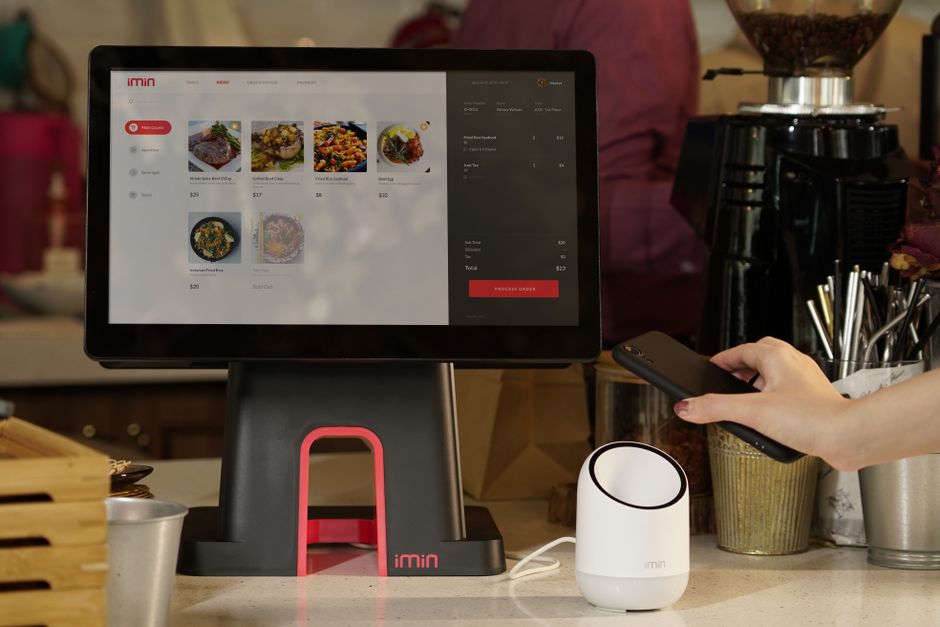
Implement bulletproof cash handling procedures with regular audits and secure storage. Your POS security is just as vital; use secure, cloud-based systems and restrict access to sensitive data to get a clear view of your business operations.
Video surveillance acts as a deterrent and provides evidence if an incident occurs. Regular financial audits and meticulous record-keeping help you spot issues like theft, fraud, or operational inefficiencies early.
Cybersecurity: The Modern Restaurant’s Invisible Enemy
Modern restaurants are prime targets for cyber attacks. Because you process credit cards, store customer data, and take online orders, you are vulnerable, as seen in a ransomware attack that recently closed nearly 300 UK restaurants for a day.
Phishing scams are getting increasingly sophisticated. Train your team to recognize these tactics and never give out login information, especially in response to unexpected multi-factor authentication requests.
Treat your POS system like a fortress for transaction data. Keep it updated to meet PCI DSS requirements, use strong network passwords, and maintain a separate Wi-Fi network for guests.
If you take online orders, your website needs regular security updates too. SSL certificates, security patches, and regular monitoring aren’t optional anymore.
For more detailed guidance on protecting your digital assets, check out resources on how to prevent cybersecurity vulnerabilities.
Insurance: Your Financial Safety Net
Even with perfect procedures, bad things can still happen. That’s where comprehensive insurance becomes your lifeline.
A Business Owners Policy combines property and liability coverage. Cyber liability insurance helps cover the high costs of data breaches, including legal fees and customer notifications. If a major incident forces a temporary closure, Business Interruption Insurance NY can cover lost income and ongoing expenses, keeping your business alive while you recover.
Step 3: A Guide to Liability Restaurant Risk Management
Your responsibility doesn’t end with your employees and your bank account. Every customer who walks through your door trusts you to keep them safe, and that trust comes with serious legal obligations.
Keeping Customers Safe
Premises safety is key to preventing customer injuries and lawsuits. Regularly inspect dining areas, restrooms, and entrances for hazards like wet floors, broken chairs, or wobbly tables.
Train your team to handle glassware carefully and inspect all utensils regularly. A chipped glass or damaged fork might seem minor, but they can cause serious injuries.
Food Poisoning and Allergen Management
Foodborne illness or allergic reactions have devastating legal and reputational consequences. The food safety protocols from Step 1 are your first line of defense.
Allergen management is critical as food allergies become more common. Clearly label menus, train all staff on allergen awareness, and establish a perfect communication chain from the customer to the kitchen for special requests.
Empower your servers to remove items from bills or offer alternatives if a customer has any concerns. It’s much cheaper to comp a meal than to deal with a medical emergency.
Alcohol Service and Liquor Liability
If you serve alcohol, dram shop laws in many states can hold you liable for damages caused by intoxicated patrons you served. This isn’t just about checking IDs—though that’s crucial too.
Responsible alcohol service training is essential. Staff must recognize signs of intoxication and be empowered to refuse service when necessary. Programs like Serving It Right certification provide the training your team needs to serve alcohol safely and legally.
Create clear policies about serving visibly drunk patrons and enforce them consistently. Regular staff meetings should include discussions about liquor liability.
NY General Liability Insurance is essential for any restaurant, but if you serve alcohol, specific liquor liability coverage provides crucial protection against alcohol-related incidents.
The Power of Proper Training
Employee training is the common thread in all risk management. A well-trained team prevents accidents, ensures food safety, and maintains compliance. More importantly, it builds a culture of safety where everyone becomes a partner in protecting your business. As one expert noted, “A well-trained team is the first line of defense against kitchen hazards.”
Securing Your Restaurant’s Future with the Right Partner

Running a restaurant feels like conducting an orchestra sometimes. You’re balancing the rhythm of the kitchen, the harmony of customer service, and the melody of daily operations. But even the best conductors need a safety net when a musician hits a wrong note.
That’s where restaurant risk management becomes your most trusted sheet music. It’s not just about checking boxes or following rules – it’s about creating a foundation that lets you focus on what you love most: serving incredible food and creating memorable experiences.
Building Your Safety Net with Comprehensive Planning
The steps we’ve covered – from non-slip mats to cybersecurity protocols – form the backbone of smart business operations. But here’s the truth: even with perfect planning, unexpected challenges will find their way to your door. A grease fire despite regular cleaning. A slip and fall on a freshly mopped floor. A cyber attack targeting your POS system.
This is exactly why comprehensive planning goes beyond daily checklists and safety protocols. It means having partners who understand your business inside and out.
The Power of Partnership
At Mitchell-Joseph Insurance Agency, we’ve spent over 200 years (combined experience) watching restaurants thrive and helping them weather storms. Our family-owned business in Honeoye Falls understands the unique challenges facing restaurant owners throughout the Finger Lakes region – from Pittsford to Canandaigua, from Victor to Naples.
We work with 24 different insurance companies because we know that no two restaurants are exactly alike. Your cozy café in Honeoye needs different coverage than a busy sports bar in Rochester. That’s why we focus on creating custom solutions rather than one-size-fits-all policies.
The Importance of Insurance in Your Risk Strategy
Think of insurance as your restaurant’s emergency fund, but smarter. While you’re implementing fire prevention systems and training staff on food safety, insurance provides the financial cushion when prevention isn’t enough.
A comprehensive business insurance plan acts as your business partner during the worst moments. When a kitchen fire forces you to close for repairs, when a customer claims food poisoning, or when a cyber attack compromises your payment systems – that’s when proper coverage transforms a potential business-ending crisis into a manageable setback.
Continuous Improvement: Your Recipe for Long-term Success
Restaurant risk management isn’t a recipe you perfect once and never touch again. It’s more like your signature dish – you keep refining it, adjusting ingredients, and improving the process.
Regular employee training keeps your team sharp and aware. New hires need comprehensive safety orientation, while experienced staff benefit from refresher courses and updates on new procedures. Your team members are your eyes and ears – they’re the ones who’ll spot a loose floor tile or notice when equipment starts making unusual sounds.
Ongoing assessment means regularly walking through your restaurant with fresh eyes. What risks have changed since last year? Are there new technologies that could improve safety? Have local regulations updated? This continuous improvement mindset helps you stay ahead of problems rather than just reacting to them.
Moving Forward with Confidence
Running a restaurant will always involve risk – that’s part of what makes it exciting. But with proper planning, the right insurance coverage, and trusted partners like Mitchell-Joseph Insurance Agency, you can focus on what matters most: creating amazing experiences for your customers.
Ready to discuss how we can help protect your passion project? Get a comprehensive business insurance plan custom to your restaurant’s specific needs. Because your dream deserves the best protection possible.

