

Why Your Rental Property Needs Specialized Insurance
Residential let property insurance is specialized coverage designed specifically for landlords who rent out their properties to tenants. Unlike standard homeowner’s insurance, this type of policy protects your investment property, covers rental income loss, and includes liability protection for tenant-related incidents.
Key Components of Residential Let Property Insurance:
- Building coverage – Protects the physical structure from fire, wind, and other covered perils
- Landlord contents – Covers appliances, furniture, and equipment you own in the rental
- Liability protection – Shields you from lawsuits if tenants or visitors are injured on your property
- Loss of rental income – Replaces lost rent when your property becomes uninhabitable due to covered damage
- Additional structures – Protects detached garages, sheds, and other outbuildings
What Standard Home Insurance Won’t Cover:
- Lost rental income during repairs
- Liability claims from tenants
- Damage to landlord-owned contents in rental units
- Vandalism by tenants
- Additional living expenses for displaced tenants
The median cost of landlord insurance in Canada is $1,325 per year, though costs vary significantly based on property location, age, and coverage selected. Many mortgage lenders require landlords to carry this specialized coverage as a condition of financing.
With experience helping Finger Lakes property owners since 1999, I understand the unique challenges landlords face. At Mitchell-Joseph Insurance Agency, I’ve seen how the right residential let property insurance policy prevents minor setbacks from becoming major financial losses for property owners across Rochester, Canandaigua, and surrounding areas.

Decoding Your Residential Let Property Insurance Policy
When you become a landlord, your rental property is a business asset that needs specialized protection. That’s what residential let property insurance provides, and it’s different from a standard homeowner’s policy.
Understanding your landlord policy is key. Let’s break down the core components, potential gaps, and smart add-ons that can save you thousands, especially here in New York where weather can be unpredictable.

Core Coverage Components
Think of your residential let property insurance policy as a toolkit; each component protects your investment.
Dwelling coverage is your policy’s backbone. It protects the actual structure of your rental property from covered disasters like fires, windstorms, hail, and lightning. For landlords in the Rochester area, this coverage is a financial lifeline. Without it, a house fire could wipe out years of investment in a single night.
Landlord’s contents coverage protects the stuff you own inside the rental. This includes appliances you provide (like that washer and dryer), furniture in furnished rentals, and even your maintenance equipment stored on-site. This covers your belongings, not your tenant’s.
Liability protection might be the most important coverage you never want to use. It shields you when someone gets hurt on your property and decides to sue. Whether it’s a tenant who slips on icy steps or a visitor who trips over a loose floorboard, liability coverage handles legal costs, medical bills, and potential settlements. We typically recommend at least $1 million in coverage, though $2 million gives you even better sleep-at-night protection.
Loss of rental income coverage keeps money flowing when disaster strikes. If a covered event makes your property unlivable, this coverage replaces your lost rent for up to a year while repairs happen. It’s like having a financial bridge that keeps you afloat when your rental income suddenly stops.
Other structures coverage protects detached buildings on your property – garages, sheds, fences, and similar structures. Medical payments coverage provides a small cushion for minor injuries on your property, regardless of who’s at fault. It can resolve small issues before they become lawsuits.
For more specific information about protecting your Rochester-area property, check out our guide on Property Insurance Rochester NY.
What’s Typically NOT Covered?
Even comprehensive residential let property insurance has its limits. Knowing these boundaries helps you avoid unpleasant surprises and plan accordingly.
Your policy won’t cover your tenant’s personal belongings. Their furniture, electronics, and clothing need their own renter’s insurance protection. Intentional damage by tenants typically isn’t covered either – though accidental damage might be, depending on your specific policy terms.
Normal wear and tear falls squarely on your shoulders as a landlord. Faded paint, worn carpets, and appliances that simply reach the end of their lifespan aren’t insurance matters – they’re part of property ownership. Similarly, pest infestations and maintenance issues from deferred upkeep won’t trigger coverage.
If your property is vacant for extended periods (often 30-90 days), your coverage may be reduced or suspended. Many landlords find this too late, so always inform us if your property will be empty for more than a few weeks.
For more details about tenant insurance responsibilities, visit our Renters Insurance FAQs.
Essential Optional Coverages for New York Landlords
While standard landlord insurance is a good start, smart New York landlords add specialized coverages for our region’s unique risks.
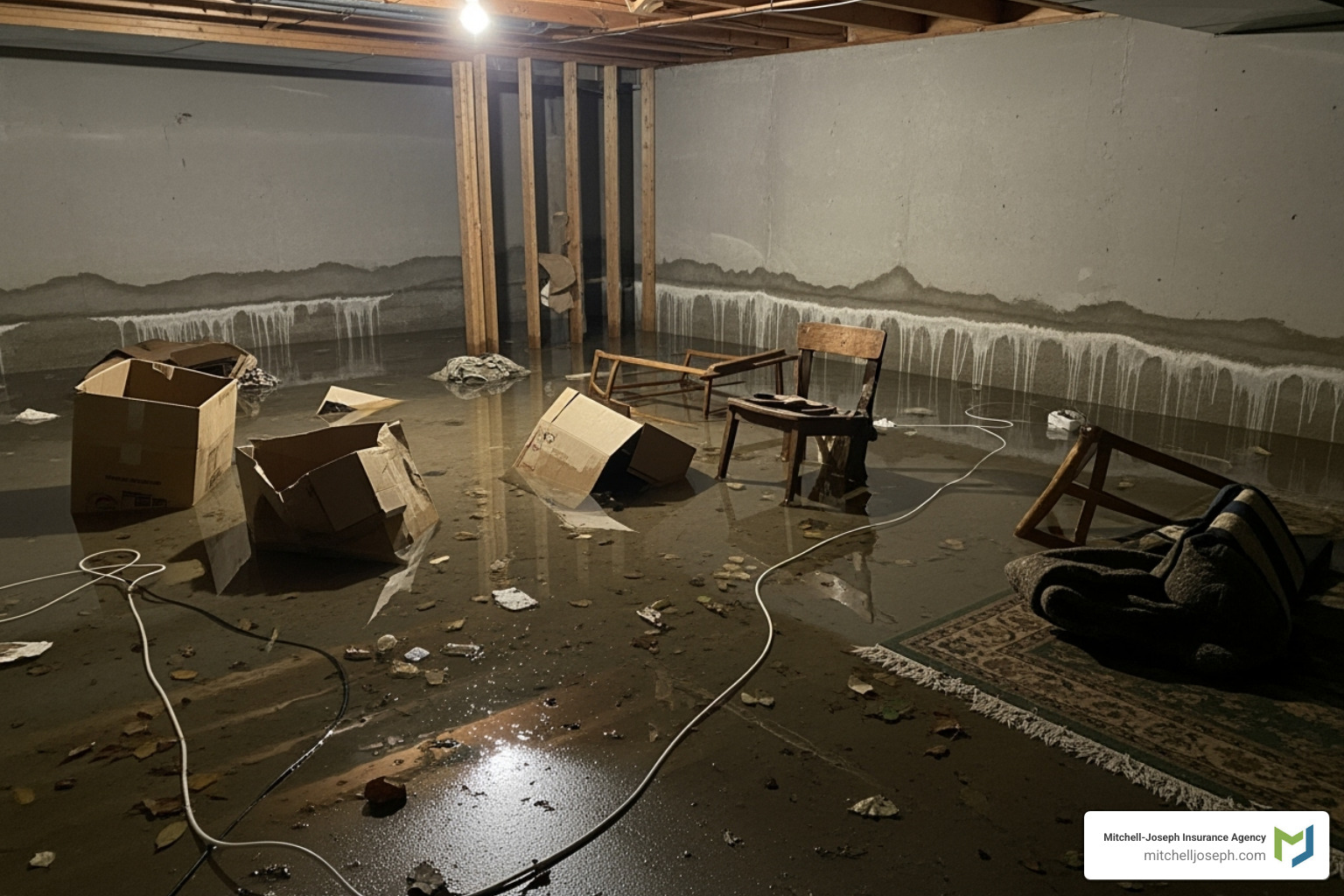
Water damage coverage goes beyond basic protection. Sewer backup coverage is especially crucial for properties with basements – a common feature in our area. When sewers overflow or sump pumps fail during heavy rains, the damage can be devastating and expensive. This coverage is separate from flood insurance but equally important. Learn more about this protection in our article What Does Water Sewer Backup Insurance Cover?.
Vacancy coverage becomes essential if your property will be empty for extended periods during renovations or between tenants. This endorsement maintains your protection, as standard policies often reduce coverage for vacant properties.
Flood insurance requires separate coverage through the National Flood Insurance Program or private insurers. Standard policies don’t cover flood damage, making this protection crucial. Our dedicated resource on Flood Insurance for Landlords explains everything you need to know.
Service line coverage protects those underground utility lines running from the street to your property. Repair costs for damaged underground utility lines can reach thousands of dollars.
These optional coverages transform basic residential let property insurance into comprehensive protection custom to your New York rental property’s unique risks.
Securing and Managing Your Landlord Insurance
Navigating residential let property insurance is straightforward with the right partner. We understand the balance between protecting your investment and managing costs. This section covers what influences your premiums, how to save, and your responsibilities as a landlord.

Factors Influencing Your residential let property insurance Premium
Your residential let property insurance premium is calculated based on factors unique to your property. Understanding these elements helps you make informed decisions and potentially lower your costs.
- Property Location: Where your rental property is situated plays a huge role. Properties in areas with higher crime, natural disaster risk (like Rochester flood zones), or proximity to fire services will see different rates. Insurance companies assess local risks very closely.
- Building Age and Construction Type: Older buildings can be more expensive to insure due to outdated systems like plumbing, electrical, or roofing. The type of construction (e.g., brick, wood frame) also impacts rebuilding costs and fire resistance, influencing your premium.
- Claims History: Your personal claims history, as well as any claims filed on the property itself, will affect your rates. A history of frequent claims signals higher risk to insurers.
- Security Features: Properties equipped with security systems, deadbolt locks, smoke detectors, carbon monoxide detectors, and sprinkler systems are generally considered safer and may qualify for discounts.
- Deductible Amount: This is the amount you agree to pay out-of-pocket before your insurance coverage kicks in. Choosing a higher deductible typically lowers your premium, but means you’ll pay more upfront if you file a claim.
- Number of Units and Property Type: A single-family home has different risks and costs than a duplex or multi-unit building. The more units, the more potential for claims, which can influence the premium.
- Tenant Type: Some insurers consider tenant type (e.g., students, professionals) when assessing risk, as different profiles can present varying liability claims.
For a deeper dive into how rates are determined in New York, our resource on New York Home Insurance Rates can offer additional insights.
Smart Ways to Get Cheaper Landlord Insurance
You can lower your residential let property insurance premiums without sacrificing essential coverage using several strategies.
- Bundle Policies: Many insurance providers offer discounts if you bundle multiple policies with them. If you insure your primary residence, auto, or other business interests with one company, consider insuring your rental property there too. At Mitchell-Joseph Insurance Agency, we work with 24 different insurance companies to help our clients find the best rates when bundling.
- Choose a Higher Deductible: As mentioned, opting for a higher deductible will reduce your premium. Just be sure you have enough in your emergency fund to comfortably cover that deductible should a claim arise.
- Maintain Your Property Diligently: Regularly inspecting and fixing issues prevents larger damages and shows insurers you’re a responsible owner, which can lead to better rates. Avoid filing minor claims that you can afford to fix yourself, as a clean claims history can also lead to discounts.
- Install Security Systems and Safety Devices: Modern security features like monitored alarm systems, deadbolts, and smart home devices can deter theft and vandalism, making your property less risky for insurers. Installing smoke detectors, carbon monoxide detectors, and fire extinguishers are also crucial for safety and can sometimes earn you discounts.
- Shop Around and Compare Quotes: This is perhaps the most effective way to find cheaper insurance. Don’t settle for the first quote. At Mitchell-Joseph Insurance Agency, we shop for you, comparing options from multiple carriers to find competitive rates and comprehensive coverage for your needs in Canandaigua, Cohocton, and Fishers, NY. Our goal is to help you find the Cheapest Home Insurance New York for your rental.
- Consider the Type of Coverage You Need: While it’s tempting to get every add-on, evaluate your specific risks. If your property isn’t in a flood zone, you might not need flood insurance (though we always recommend considering it). Customizing your policy to include only what’s necessary can help manage costs.
- Explore Government Programs or Resources: Understanding governmental resources for income properties can also help manage overall investment costs. For example, documents like this Governmental income property fact sheet provide valuable insights for property owners.
Your Responsibilities and How to Get a residential let property insurance Quote
Being a landlord comes with responsibilities, and ensuring you have the right residential let property insurance is a big one. It’s about protecting your investment, safeguarding your financial future, and ensuring peace of mind.
- Require Tenant Insurance: While your landlord policy protects your property and liability, it doesn’t cover your tenants’ belongings or their personal liability. We strongly recommend making tenant insurance mandatory in your lease. This protects your tenants and can offer you indirect protection if their negligence causes damage.
- Notify Your Insurer of Changes: Your insurance policy is based on the information you provide. If anything changes—you renovate, the property becomes vacant, you change tenant types, or install a new security system—you must inform us. Failure to do so could jeopardize your coverage. For instance, if your property is vacant for more than 30-90 days, certain coverages might be voided unless you have specific vacancy coverage.
- Property Upkeep: As a landlord, you must maintain a safe and habitable property. This includes regular inspections, addressing repairs promptly, and ensuring all systems (plumbing, electrical, heating) are in good working order. Proper maintenance reduces claims and can positively affect your insurance rates.
- Obtaining a Quote: When you’re ready to get a residential let property insurance quote, gather essential information about your property: its age, construction type, location, the number of units, the type of tenants, and any security features. You’ll also need your claims history.
At Mitchell-Joseph Insurance Agency, we simplify this process for you. With 200+ years of combined experience and 24 partner companies, we offer personalized service and competitive quotes. Whether your property is in Honeoye Falls, Rochester, Lima, Mendon, or any of our other service areas in New York, our dedicated team understands the unique risks faced by landlords. We’ll explain your options, simplify complex coverages, and help tailor a policy to your needs and budget. We’re here to be your trusted partner in protecting your rental investments.

Ready to discuss your options for Business Insurance for Landlords or get a residential let property insurance quote? Reach out today. We’ll ensure your property is protected, so you can focus on being a successful landlord.

