

Why Rental Property Insurance is Essential for Landlords
Rental Property Insurance, or landlord insurance, is crucial for protecting your investment property from financial loss. It shields you from the unique risks of renting out homes, condos, or apartments.
Key coverages include:
- Property Protection – Covers the building and any landlord-owned items.
- Liability Coverage – Protects against injury claims and lawsuits.
- Loss of Rental Income – Replaces rent if the property becomes uninhabitable.
- Legal Defense – Covers court costs and legal fees.
Cost: Averages $2,193 annually, typically 25% more than homeowners insurance.
Common Exclusions: Tenant belongings, normal wear and tear, and floods/earthquakes (unless added).
Without proper coverage, a single fire, lawsuit, or major repair can wipe out years of rental income. Your standard homeowners insurance won’t cover a rental because it’s a ‘non-owner occupied’ residence with business-related risks that standard policies exclude.
I’m Jeffrey Joseph, and I’ve helped landlords across the Finger Lakes region secure proper Rental Property Insurance since joining Mitchell-Joseph Insurance Agency in 1999. Through decades of experience, I’ve seen how the right coverage protects investments and provides peace of mind for property owners.

The Foundations of Rental Property Insurance
Understanding the ins and outs of Rental Property Insurance can feel overwhelming at first, but it’s really about protecting what you’ve worked hard to build. Let’s break down the essentials so you can make informed decisions about your rental property coverage.
What is Landlord Insurance and Why is it Essential?
Rental Property Insurance is a landlord’s financial safety net. Unlike a homeowners policy, it’s designed for the unique challenges of rental properties, which are essentially small businesses with distinct risks.
This specialized insurance provides:
- Financial loss protection: Covers tenant-caused damage, visitor injuries, and disasters that make the property uninhabitable.
- Investment security: Ensures your rental income stream is protected.
- Tenant-related risk coverage: Having tenants and guests increases liability from accidents like fires or slip-and-falls. Legal defense is crucial, as even frivolous lawsuits are costly.
- Income stream protection: This keeps rent money flowing to cover your mortgage and expenses if the property can’t be rented due to covered damage.
As one industry expert notes, rental properties come with financial risks that homeowners don’t face, which is why this specialized coverage is essential.
For a deeper dive into protecting your investment, check out our comprehensive guide: Landlord Insurance 101: Cover Your Assets. The American Apartment Owners Association also provides an overview of rental dwelling insurance that many landlords find helpful.
Homeowners vs. Landlord Insurance: A Critical Comparison
Many landlords mistakenly assume their homeowners insurance covers a rental property—a costly error. The key difference is occupancy. Homeowners insurance is for owner-occupied properties. Once you rent it out, it becomes non-owner occupied, changing your risk profile.
Homeowners policies focus on personal belongings and liability, but rentals face business risks like increased liability from tenants, potential for lost income, and tenant-caused damage. Most policies have a business use exclusion, meaning they can deny claims related to rental activities.
| Feature | Homeowners Insurance | Landlord Insurance |
|---|---|---|
| Occupancy | Owner-occupied | Non-owner occupied |
| Coverage Focus | Personal belongings, family liability | Building structure, business liability, lost rent |
| Liability | Personal and family activities | Tenant and visitor injuries, property damage |
| Cost | Lower premium | Typically 25% higher |
The cost difference reflects this higher risk, with landlord insurance typically costing 25% more. While you might get limited coverage for renting a room in your primary residence (with insurer notification), a separate rental property requires dedicated Rental Property Insurance. Don’t risk your investment to save on premiums.
For information about protecting your primary residence, visit our Homeowners Insurance NY page.
Core Coverages of a Rental Property Insurance Policy
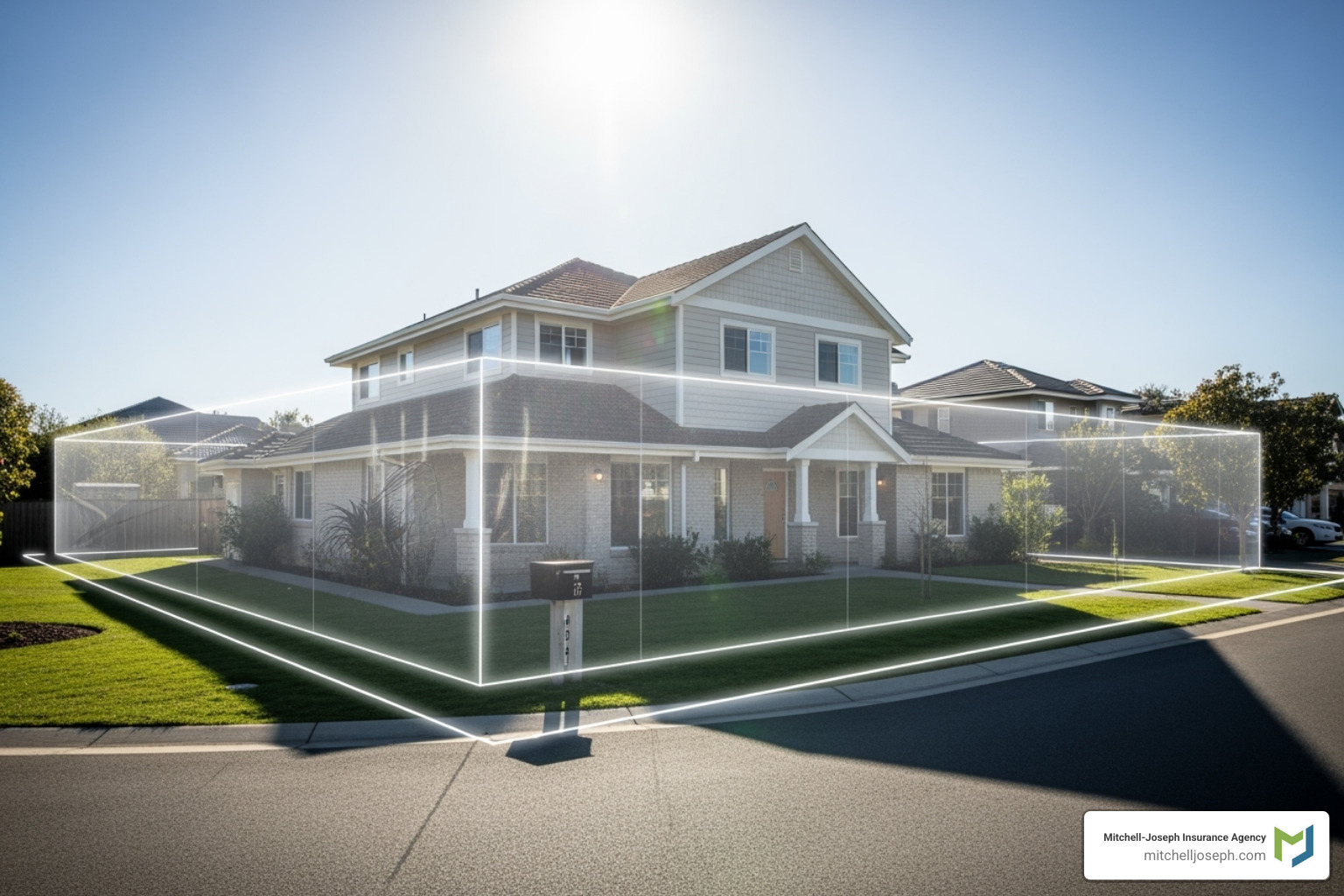
A solid Rental Property Insurance policy includes five essential coverages that work together to protect your investment.
-
Dwelling Coverage: This is the foundation, protecting the physical structure of your rental—walls, roof, foundation, and built-in systems. It pays for repairs or rebuilding after events like a fire or storm.
-
Other Structures: This extends protection to detached structures on your property, such as a garage, shed, or fence.
-
Landlord’s Personal Property: This covers items you own and use for the rental, including appliances provided to tenants (refrigerator, washer/dryer) and maintenance equipment stored on-site.
-
Liability Coverage: This is critical protection. It covers you if someone is injured on your property or if you’re held responsible for property damage, handling legal costs and settlements. We recommend at least $1 million in coverage.
-
Loss of Rental Income: Also called Fair Rental Value, this reimburses you for lost rent for up to 12 months if a covered event makes your property uninhabitable, allowing you to continue paying the mortgage.
Together, these coverages protect your property and income stream from significant out-of-pocket expenses.
For specific information about property damage coverage for condos, check out our Property Damage Insurance Condominium NY page.
What’s Not Covered and Essential Add-Ons
Understanding what your Rental Property Insurance policy excludes is key to avoiding surprises. Standard policies typically do not cover:
- Tenant’s personal belongings: Your policy covers the building, not their possessions. This is why requiring renters insurance is a smart move.
- Normal wear and tear: Gradual deterioration like worn carpets or faded paint is a maintenance cost, not an insurable loss.
- Neglected maintenance: Damage resulting from unresolved issues, like a known leaky roof, may be denied.
- Intentional damage by tenants: Deliberate destruction may not be covered, though optional vandalism coverage can help.
- Floods and earthquakes: These perils require separate, dedicated policies.
Consider these essential add-ons for broader protection:
- Burglary Coverage: Protects against theft and related damage.
- Sewer Backup Protection: A water backup endorsement covers costly damage from sewer or sump pump failures. Learn more about this coverage at What is Water Backup Coverage on Homeowners Insurance?.
- Rent Guarantee Insurance: Protects your income if a tenant stops paying rent and can help with eviction costs.
An experienced agent can help you identify which add-ons fit your property and budget. For more on flood coverage, see our guide: Flood Insurance vs. Landlord Insurance.
Securing the Right Coverage for Your Investment
This section provides actionable advice on choosing and purchasing the right policy for your specific needs.
Factors That Influence the Cost of Rental Property Insurance
Understanding what drives your Rental Property Insurance premium can help you make smarter decisions. While the average cost is around $2,193 per year, your rate will depend on these key factors:
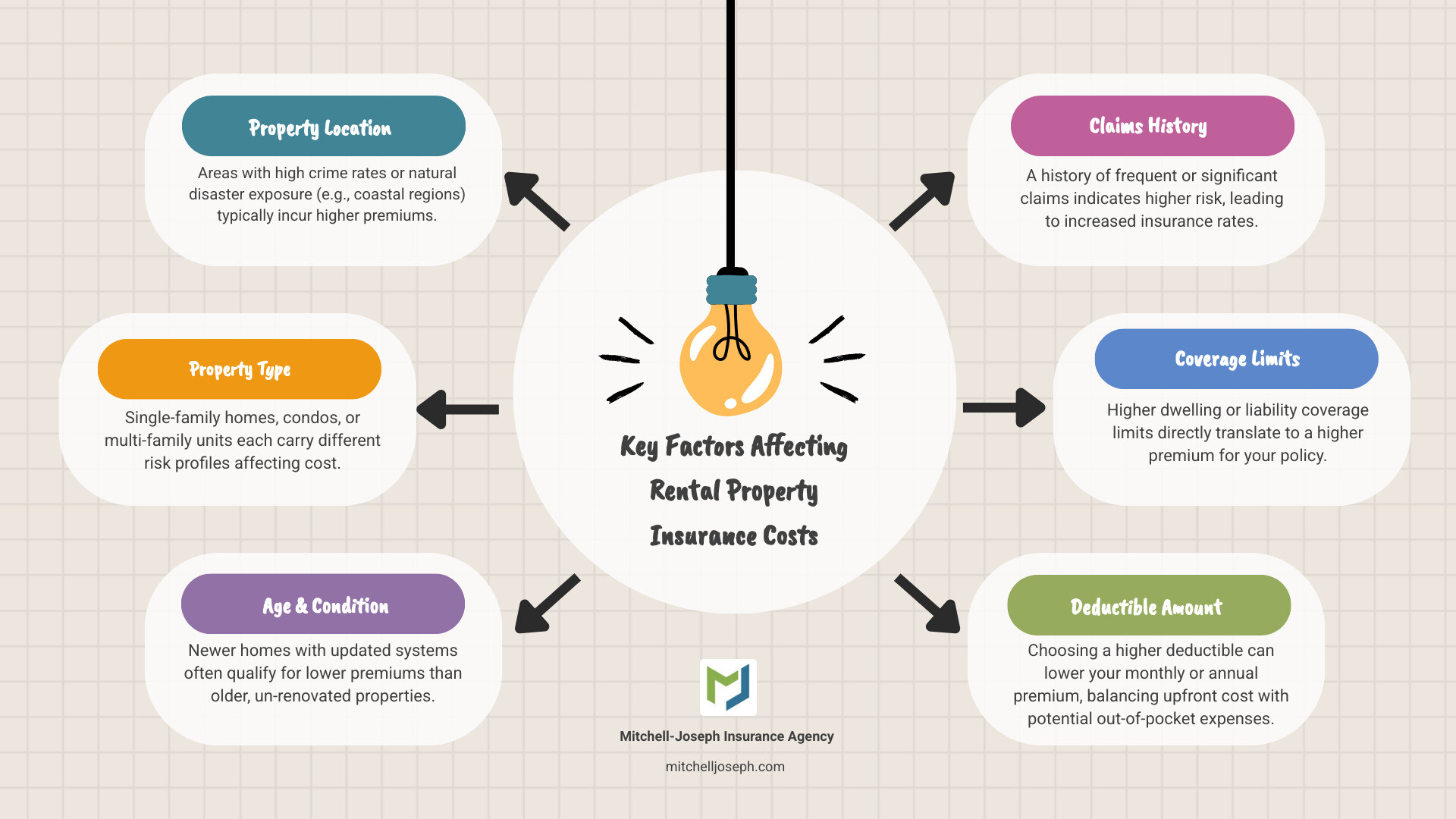
- Location: A property in a low-risk area like Honeoye Falls will cost less to insure than one in a high-crime or disaster-prone zone. Local rebuilding costs also affect rates.
- Property Type: The type of building matters. For example, insuring a house may cost $900 per year, while a condo can cost you $400 because the condo association policy covers much of the structure. Short-term rentals often require more expensive, specialized coverage.
- Age and Condition: Newer properties with updated electrical, plumbing, and roofing systems are less risky and cheaper to insure than older homes with original systems.
- Claims History: A history of frequent claims will increase your premiums, while a clean record can lead to discounts.
- Coverage Limits and Deductibles: Higher coverage limits increase premiums, but you can lower your annual cost by choosing a higher deductible.
- Safety and Security Features: Installing smoke detectors, security systems, and deadbolts can often earn you discounts.
- Bundling Policies: Combining your landlord policy with your home or auto insurance is an easy way to save.
For landlords with rental condos, you can learn more about specific considerations at Condo Insurance for Landlords.
Tenant Insurance, Legal Requirements, and Finding Your Policy
A common misconception is that landlord insurance covers tenants’ possessions. It doesn’t. Your insurance doesn’t cover your tenants’ stuff.
Why require tenant insurance? Your Rental Property Insurance covers the building, but a tenant’s renters insurance covers their belongings and personal liability. Making renters insurance mandatory in your lease is a smart move that reduces disputes and protects everyone. You can share information from our Renters Insurance page with them.
Legal and Lender Requirements: While no law mandates landlord insurance, your mortgage lender will almost certainly require it. Even if you own the property outright, protecting an income-generating asset is simply good business.
Finding the Right Policy:
- Assess Your Needs: Consider your property type, local risks, and the value of landlord-owned items. Focus on the rebuild cost, not market value.
- Gather Information: Collect property details (age, square footage, updates) and rental terms.
- Compare Quotes: When comparing providers, ensure you’re looking at identical coverage limits and deductibles.
- Work with an Independent Agent: This simplifies the process. At Mitchell-Joseph Insurance Agency, we work for you, not one company. With access to 24 insurers and deep knowledge of the Finger Lakes region, we find custom coverage that fits your needs and budget.
- Review Annually: Once you have a policy, review it each year to ensure it still meets your needs, especially after renovations or changes in rental terms.
For broader protection, explore our page on business insurance for landlords.

Conclusion
Being a landlord offers great rewards, but it also comes with significant risks. Rental Property Insurance is not just an expense—it’s the essential financial safety net that protects your investment from the unexpected.
As we’ve covered, landlord insurance is fundamentally different from a homeowners policy. It’s designed for the business of renting, covering your building, liability, and lost rental income. It’s also crucial to understand what isn’t covered—like tenant belongings or floods—so you can fill gaps with add-ons like vandalism coverage, flood insurance, or rent guarantee protection.
A key takeaway for every landlord: require your tenants to carry renters insurance. Including this in your lease protects their property and your investment from potential disputes.
When you’re ready to secure coverage, don’t go it alone. An independent agent can steer the complexities for you. At Mitchell-Joseph Insurance Agency, we leverage decades of experience and access to 24 insurance companies to find the right policy for landlords throughout the Finger Lakes region.
Your rental property is a major asset. The right Rental Property Insurance provides the peace of mind to be a successful landlord, knowing your financial future is secure.


