

Why Understanding Pharmaceutical Product liability Matters
Pharmaceutical product liability holds drug manufacturers, distributors, and healthcare providers legally responsible when their products cause harm. Whether you’re a patient injured by a medication or a business owner facing liability risks, understanding this legal framework is crucial for protecting your rights and assets.
Quick Answer: What You Need to Know
- Three Types of Defects: Design flaws (inherently dangerous), manufacturing errors (improper production), and failure to warn (inadequate safety information).
- Who Can Be Sued: Anyone in the “chain of distribution,” including manufacturers, labs, doctors, hospitals, and pharmacies.
- Key Legal Theories: Strict liability, negligence, and breach of warranty.
- Time Limits: Most states require filing within 2-3 years of the injury’s findy.
- FDA Approval Isn’t a Shield: Manufacturers can face liability even if the FDA approved their drug.
Proving liability can be complex, as manufacturers may shift responsibility to prescribing physicians. The financial stakes are enormous; mean awards for product liability cases grew over 1,000% in some areas from the 1960s to the 1980s. These figures highlight why understanding this risk is critical for consumers, healthcare providers, and business owners alike.
I’m Jeffrey Joseph, and at Mitchell-Joseph Insurance Agency, I’ve spent over two decades helping businesses in the Finger Lakes region manage complex liability risks. My experience has shown me that a clear understanding of these issues is the first step toward effective protection.

The Legal Landscape of Pharmaceutical Product Liability
Pharmaceutical product liability is a specialized area of law addressing injuries caused by defective or dangerous medications. It ensures that drug manufacturers and others in the distribution chain are held accountable for their products’ safety. At Mitchell-Joseph Insurance Agency, we’ve seen how these complex issues affect both individuals and businesses across the Finger Lakes region.
Establishing a Claim: Defects, Dangers, and Proof
A successful claim requires proving that a defective product directly caused an injury and resulted in damages. These cases often require extensive investigation and expert testimony.

There are three primary types of defects:
- Design Defects: The drug is inherently unsafe, even if made correctly. Its risks outweigh its benefits.
- Manufacturing Defects: A flaw occurs during production, bottling, or shipping, making a specific batch harmful.
- Failure to Warn: The manufacturer fails to provide adequate warnings about risks, side effects, or proper usage.
A key point to remember is that FDA approval does not shield a company from liability. The Pennsylvania Supreme Court, for example, has held that FDA approval is not an absolute defense against claims of design defects or failure to warn. Manufacturers must continuously monitor their products for new safety information. You can learn more about The FDA’s drug development process.
Key Doctrines and Who Can Be Held Liable
The learned intermediary doctrine is a significant legal principle in these cases. It states that a manufacturer’s duty is to warn the prescribing physician, not the patient directly. The physician then becomes the “learned intermediary” responsible for relaying that information. This doctrine can shift liability from the manufacturer to the physician if the patient wasn’t properly warned.
To manage this risk, physicians should stay informed about drug recalls, take thorough patient histories, advise patients of risks, and document all warnings provided. Research on the physician’s duty to warn highlights the importance of these practices.
Liability can extend to anyone in the “chain of distribution,” including:
- The manufacturer
- Testing laboratories
- Pharmaceutical sales representatives
- The prescribing doctor or hospital
- The pharmacy
The Litigation Process for a Pharmaceutical Product Liability Claim

A critical factor is the statute of limitations—the deadline for filing a lawsuit. In Pennsylvania, this is generally two years, but the clock may not start until the plaintiff finded (or should have finded) the injury and its link to the drug.
Common defenses from manufacturers include claims of adequate warnings, improper use by the patient, lack of causation, or an expired statute of limitations. The financial impact of these cases can be massive, with large jury awards and punitive damages driving up the risk for pharmaceutical companies.
Many types of drugs have been subject to litigation, including:
- Antidepressants and other mental health drugs
- Blood thinners
- Cholesterol and diabetes medications
- Birth control pills
- Chemotherapy drugs and certain painkillers
Global Differences in Drug Liability Law
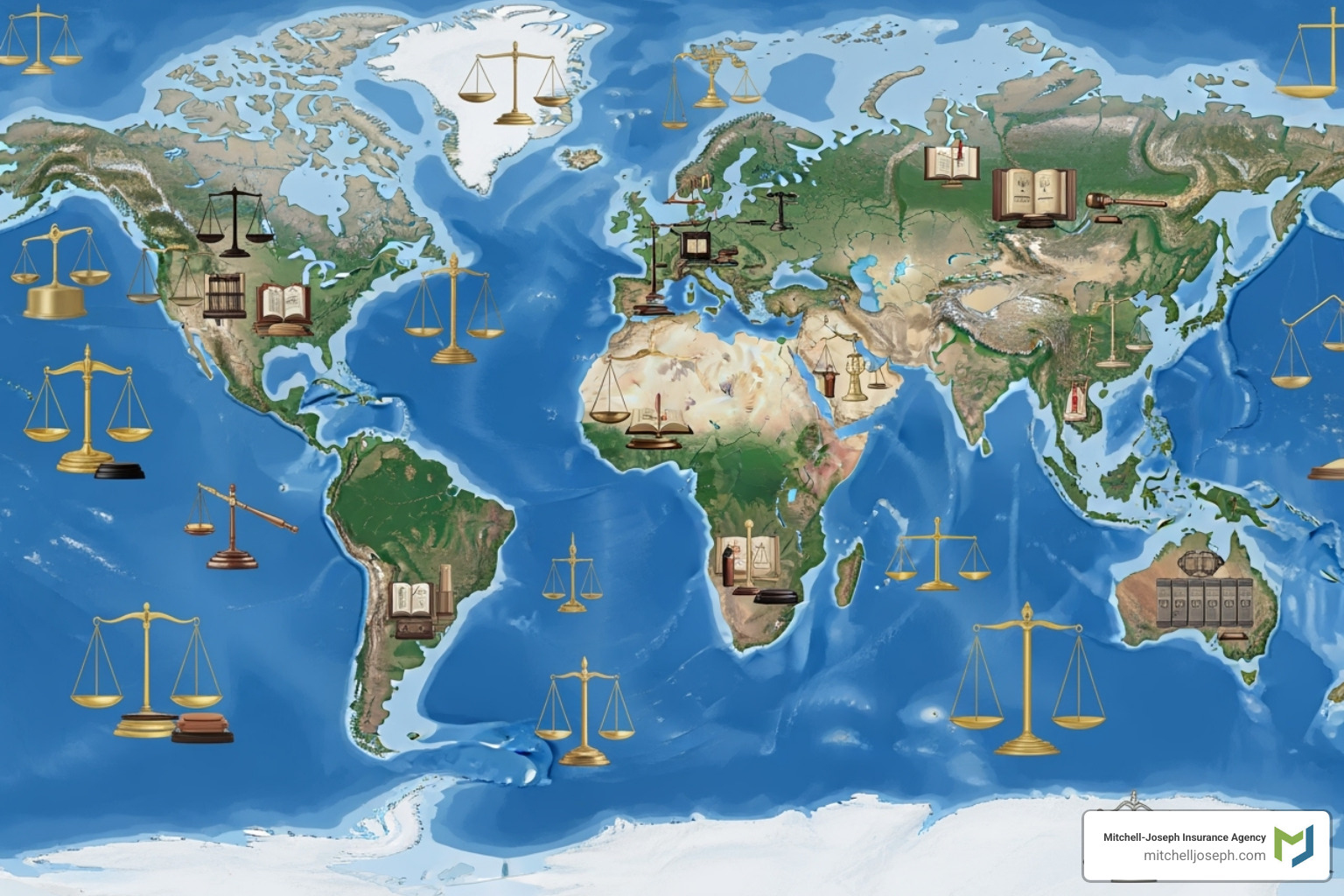
Pharmaceutical liability laws vary significantly worldwide. Unlike the U.S. litigation-based system, some countries in the EU, Canada, and the U.K. have no-fault compensation systems for certain injuries, such as those from vaccines. Regulatory bodies, compensation limits, and rules for class-action lawsuits also differ, creating a complex global landscape for manufacturers. For example, the EU expanded mass action availability in 2023, making it easier for consumer groups to bring cross-border claims.
Managing Liability: Insurance and Future Outlook
The world of pharmaceutical product liability is constantly evolving, and for any business in the pharmaceutical sector, managing this risk is essential for survival.
The Impact on Pharmaceutical R&D and Insurance
The threat of expensive lawsuits and massive jury awards heavily influences pharmaceutical R&D. To mitigate liability, companies conduct more rigorous and costly safety research. In some cases, the high liability risk has led firms to abandon research in critical areas like vaccines and contraceptives, potentially preventing life-saving treatments from reaching patients.

The insurance industry has also adapted. Facing increased losses, many insurers raised premiums, increased deductibles, or stopped offering pharmaceutical liability coverage altogether. In response, pharmaceutical firms have turned to alternatives like self-insurance, creating their own captive insurance companies, or joining Risk Retention Groups (RRGs) to pool resources and manage risk collectively.
These strategies are common for businesses facing high-stakes risks. At Mitchell-Joseph Insurance Agency, we help businesses steer the complex world of Business Insurance and Professional Liability Insurance, ensuring they have the right protection.
Protecting Your Operations and Seeking Expert Guidance
The stakes in pharmaceutical product liability are too high to leave to chance. Proactive risk management is essential for any healthcare facility, pharmacy, or related business in Rochester, NY, Honeoye Falls, NY, and the surrounding areas.
Key strategies include vigilant regulatory compliance, robust quality control, comprehensive warning systems, and meticulous documentation. Given the complexity of these cases, experienced legal counsel is also a necessity.
However, the cornerstone of protection is comprehensive insurance. At Mitchell-Joseph Insurance Agency, our family-owned business has over 200 years of combined experience serving the Finger Lakes region. We work with 24 different insurance companies to find competitive quotes and personalized coverage that fits your specific needs. We serve businesses across Honeoye Falls, Pittsford, Naples, Rushville, Avon, Bloomfield, Bristol, Canadice, Canandaigua, Cohocton, Fishers, Gorham, Honeoye, Ionia, Lima, Mendon, Middlesex, Potter, Rochester, Rush, South Bristol, Stanley, Victor, Wayland, and West Bloomfield, NY.
We help you assess your unique risk profile and tailor coverage to address the threats your business faces. Don’t wait for a claim to arrive. Let us help you secure your operations for the long term. To learn more, explore how to Secure your business with General Liability Insurance.

