

Why Marine Insurance Protects Your Waterborne Investments
Marine insurance provides essential financial protection for vessels, cargo, and related liabilities against the unique risks of maritime activities. Whether you own a pleasure craft on the Finger Lakes or run a commercial shipping business, this coverage protects against perils like collisions, storms, theft, and pollution liability.
What Marine Insurance Covers:
- Hull & Machinery – Physical damage to vessels and equipment
- Cargo Protection – Goods in transit by water, land, or air
- Liability Coverage – Third-party bodily injury and property damage
- Protection & Indemnity – Maritime-specific liabilities including crew injuries and wreck removal
Who Needs Marine Insurance:
- Pleasure craft owners and yacht enthusiasts
- Commercial vessel operators and fishing fleets
- Cargo owners, importers, and exporters
- Marine contractors, shipyards, and marina operators
- Businesses dependent on waterborne transportation
The maritime industry faces risks that traditional home or auto insurance simply cannot address. From ancient traders to modern container ships, marine insurance has evolved as the world’s oldest form of commercial insurance.
As Jeffrey Joseph from Mitchell-Joseph Insurance Agency, I’ve helped countless clients in the Finger Lakes region steer the complexities of specialized coverage, including marine insurance for both recreational boaters and commercial maritime operations. My experience since 1999 shows that proper marine coverage requires understanding the unique risks of waterborne activities and the needs of each vessel owner or cargo shipper.

Marine insurance further reading:
- Do you need boat insurance in NY?
- How much is boat insurance in NY?
- Is boat insurance required in NY?
The Complete Guide to Marine Insurance
Imagine your boat is hit by another vessel, or a cargo shipment is damaged in a storm on Lake Ontario. These real-life scenarios are why marine insurance is your lifeline.
What is Marine Insurance and Who Needs It?
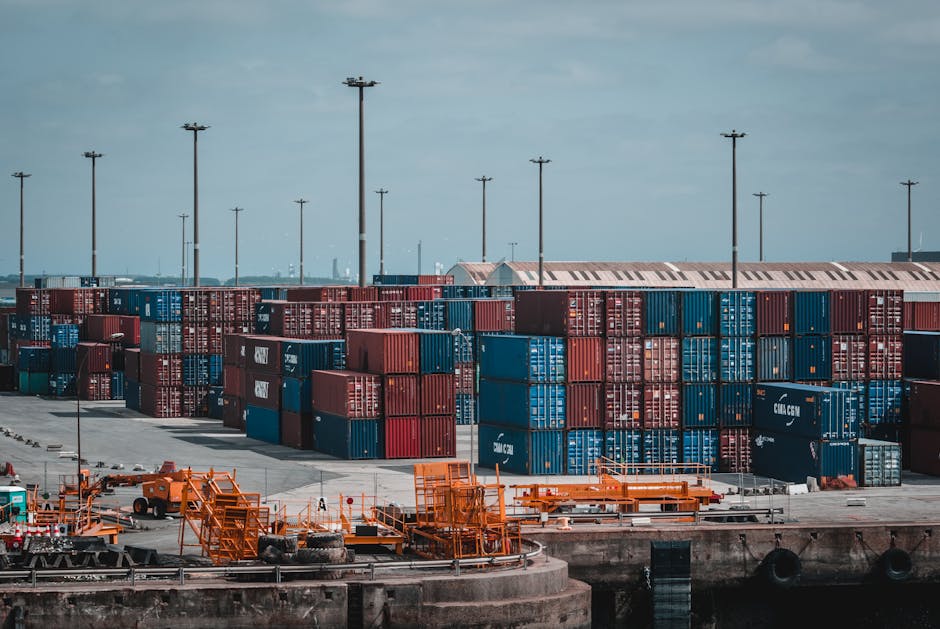
Marine insurance is specialized coverage that protects vessels, cargo, and related liabilities from the unique risks of being on or near water. It’s the world’s oldest form of commercial insurance, dating back to ancient merchants who needed protection for their sea voyages.
Unlike Home Insurance or Auto Insurance, which don’t cover waterway risks, marine insurance provides vessel-specific policies for the unique challenges of maritime activities.
You’ll often hear about two main types: ocean marine insurance covers vessels and cargo on oceans, great lakes, and major rivers, while inland marine insurance typically protects property being transported over land—like cargo that just finished an ocean voyage and is now traveling by truck or rail.
Who needs this coverage? The list might surprise you. Pleasure craft owners need protection whether they own a small fishing boat, a luxury yacht, or a personal watercraft. A single collision can cost tens of thousands in repairs and liability.
Commercial vessel operators face even more complex risks. Fishing fleets, charter boats, and shipping companies deal with hull damage, machinery breakdowns, and significant third-party liabilities.
Cargo owners, importers, and exporters rely on marine insurance to protect goods in transit. Losing an entire shipment to a storm or theft could cost hundreds of thousands; without coverage, that loss is yours.
Ship repairers and marina operators also face unique liability, such as accidentally damaging a customer’s vessel during repairs or having boats damaged while stored at their facility.
Core Coverage Types Explained
Marine insurance isn’t one-size-fits-all. It offers different coverage types for specific maritime risks.
Hull & Machinery coverage is like collision and comprehensive insurance for your vessel. It protects the boat’s physical structure, including the hull, machinery, and equipment, against perils like collisions, groundings, fire, and storms. For commercial vessels, it often includes collision liability if your vessel damages another boat.
Most policies use agreed value rather than actual cash value. You and the insurer agree on your boat’s worth upfront, so depreciation won’t reduce your payout in a total loss. It’s a much better deal for boat owners.
Cargo insurance protects goods being transported by water, land, or air. You can choose all-risk coverage, which covers virtually any external cause of loss unless specifically excluded, or named perils coverage, which only covers specific events listed in your policy. All-risk is usually worth the extra cost for its broader protection.
Protection & Indemnity (P&I) insurance covers third-party liabilities that Hull & Machinery policies don’t, including bodily injury to crew or passengers, property damage to docks, wreck removal, and pollution liability. P&I coverage is crucial because maritime liability claims can be enormous.
Freight insurance protects against lost revenue when a covered peril prevents your vessel from completing its voyage and earning freight payments.
Understanding Key Risks and Exclusions in Marine Insurance

Marine insurance protects against “perils of the sea”—real dangers that can sink your investment.
Collisions top the list of common claims, whether it’s hitting another vessel, a dock, or underwater rocks. Damage can range from thousands to hundreds of thousands of dollars. Fire is another devastating risk that can destroy a vessel completely within minutes.
Weather events like storms and hurricanes cause significant damage every year. Theft and piracy remain ongoing concerns, especially for high-value vessels and cargo. Jettison—the intentional throwing overboard of cargo to save a vessel in distress—still happens.
Pollution liability is critical. A fuel spill can trigger massive cleanup costs and regulatory fines that dwarf your vessel’s value. Even a small pleasure boat can cause environmental damage costing tens of thousands to remediate.
However, marine insurance has its limits. Common exclusions include wear and tear, willful misconduct, and damage from war, strikes, or civil unrest (though separate war risk coverage is available). Inadequate packaging of cargo, pure delay losses, and damage from marine life like barnacles are typically excluded too.
Understanding these exclusions helps us design coverage that truly protects your interests. For more detailed information about marine business risks, check out this resource on insuring marine businesses and cargo.
The Role of Risk Management and Mitigation
While great marine insurance is essential, preventing problems is even better. Smart risk management keeps you safer and can also help reduce your insurance premiums.
Vessel maintenance is foundational. Regular inspections and upkeep of your hull, engine, and safety equipment prevent many potential problems and structural failures.
For commercial operations, crew training is critical. Properly trained crews who understand navigation, safety, and emergency procedures can prevent accidents and minimize damage.
Secure cargo stowage prevents goods from shifting during transit, protecting both the cargo and the vessel. Voyage planning that considers weather forecasts and navigational hazards helps you avoid dangerous situations.
Classification societies like the American Bureau of Shipping set rigorous standards for vessel construction and maintenance. Keeping your vessel “in class” is often required for insurance and demonstrates a commitment to safety.
Marine surveyors are crucial for risk management and claims. They inspect vessels, investigate incidents, and provide expert assessments that help determine coverage and prevent future losses.
The maritime industry faces emerging challenges like growing cybersecurity threats, climate change impacts (more severe weather), and supply chain disruptions, all highlighting the need for robust coverage.
The International Union of Marine Insurance provides valuable guidance to help the industry manage these evolving risks.
Navigating Premiums and the Claims Process

Your marine insurance premium isn’t random; it’s based on specific factors that reflect your actual risk.
Vessel type and age significantly impact cost. Your navigation area matters too—cruising calm inland lakes is less risky than ocean voyaging in storm-prone regions.
For cargo coverage, the type of goods you’re shipping affects pricing. Your claims history plays a major role; a clean record can earn you better rates.
Boating experience and safety equipment can work in your favor. Insurers may offer discounts for boating courses, multiple policies, or vessels with modern safety systems.
When filing a claim, prompt notification is crucial. Contact us immediately after an incident. You’ll need key documents like your policy information, a claim form, and for cargo claims, bills of lading and invoices.
A claims adjuster with marine expertise will investigate your claim. A survey report from a qualified marine surveyor will document the damage and help determine the cause.
Our goal is a prompt settlement to get you back on the water quickly. Many find marine claims easier to handle than auto claims, especially when working with an experienced agent.
Choosing the Right Policy and Provider
Finding the right marine insurance doesn’t have to be difficult. With proper guidance, you can chart a clear course to the coverage you need.
Working with specialized brokers like us at Mitchell-Joseph Insurance Agency gives you a significant advantage. As independent agents, we work with multiple insurers to find you the best coverage at competitive rates. We shop around and advocate for your interests.
Policy customization is where we shine. Your coverage should be as unique as your vessel. We consider factors like navigational extensions, occasional commercial use, or guaranteed replacement cost for newer boats.
Understanding regulations is crucial. We ensure your policy meets all legal requirements, as operating without proper coverage could void your policy when you need it most.
We only work with financially stable insurers with strong reputations for service and efficient claims handling. Provider financial stability ensures they can pay claims, and claims handling efficiency gets you back on the water faster.
Our expertise extends beyond marine coverage to comprehensive Business Insurance solutions for commercial marine operations. We review policy documents with you, explaining all terms so you fully understand your coverage.
Every boat is unique, and we provide personalized attention. That’s the Mitchell-Joseph difference: small-town service with big-company resources to protect what matters most.
Navigating Your Insurance Needs with Confidence
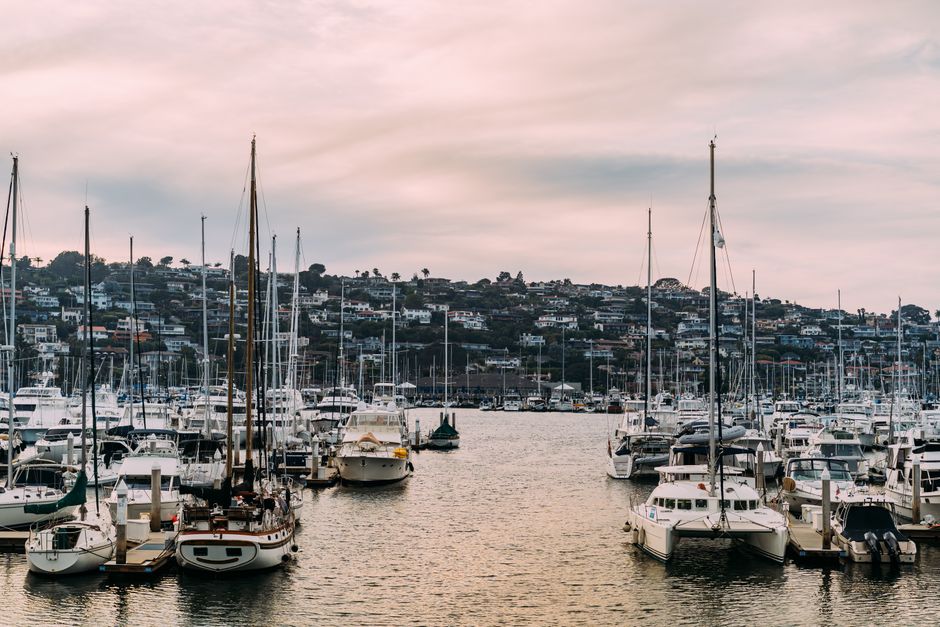
As the sun sets over calm waters, it’s satisfying to know you’re protected. Throughout this guide, we’ve explored how marine insurance serves as your anchor in unpredictable waters, safeguarding everything from weekend fishing trips to commercial shipping operations.
The importance of proper marine insurance cannot be overstated. It’s about protecting your financial investment, ensuring compliance with regulations, meeting marina and lender requirements, and giving you confidence on the water.
Whether you’re on Canandaigua Lake or managing a commercial fleet, incidents like storms or equipment failure can lead to thousands in damages. The right coverage turns these situations from financial disasters into manageable challenges.
Working with experts is key. The maritime world has unique risks and coverage needs that general insurance agents don’t encounter daily. You need an agent who understands hull coverage versus P&I, why agreed value matters, and can explain complex policy terms simply.
At Mitchell-Joseph Insurance Agency, we’ve helped clients across the Finger Lakes region find the right protection for decades. Our team combines over 200 years of experience with a personal approach, building relationships with people who love this region’s waters as much as we do.
As an independent, family-owned agency, we work with multiple top-rated insurers to find the best combination of coverage and price. We take the time to understand your specific needs, from basic boater protection to complex commercial coverage.
The peace of mind from proper marine insurance is invaluable. When you know you’re adequately protected, you can focus on what really matters—enjoying time on the water, growing your business, or simply watching another beautiful sunset over the marina.
Don’t let uncertainty keep you anchored to shore. Contact us for your insurance coverage needs and let our experienced team help you secure the custom marine insurance protection that fits your unique situation. Together, we’ll make sure your next voyage is backed by the confidence that comes from comprehensive coverage.

