

Why Business Insurance for Landlords is Critical for Your Investment
Business insurance for landlords provides essential financial protection for property owners who rent out residential or commercial buildings to tenants. This specialized coverage, also known as “lessor’s risk only” insurance, protects your real estate investment from property damage, liability claims, and lost rental income.
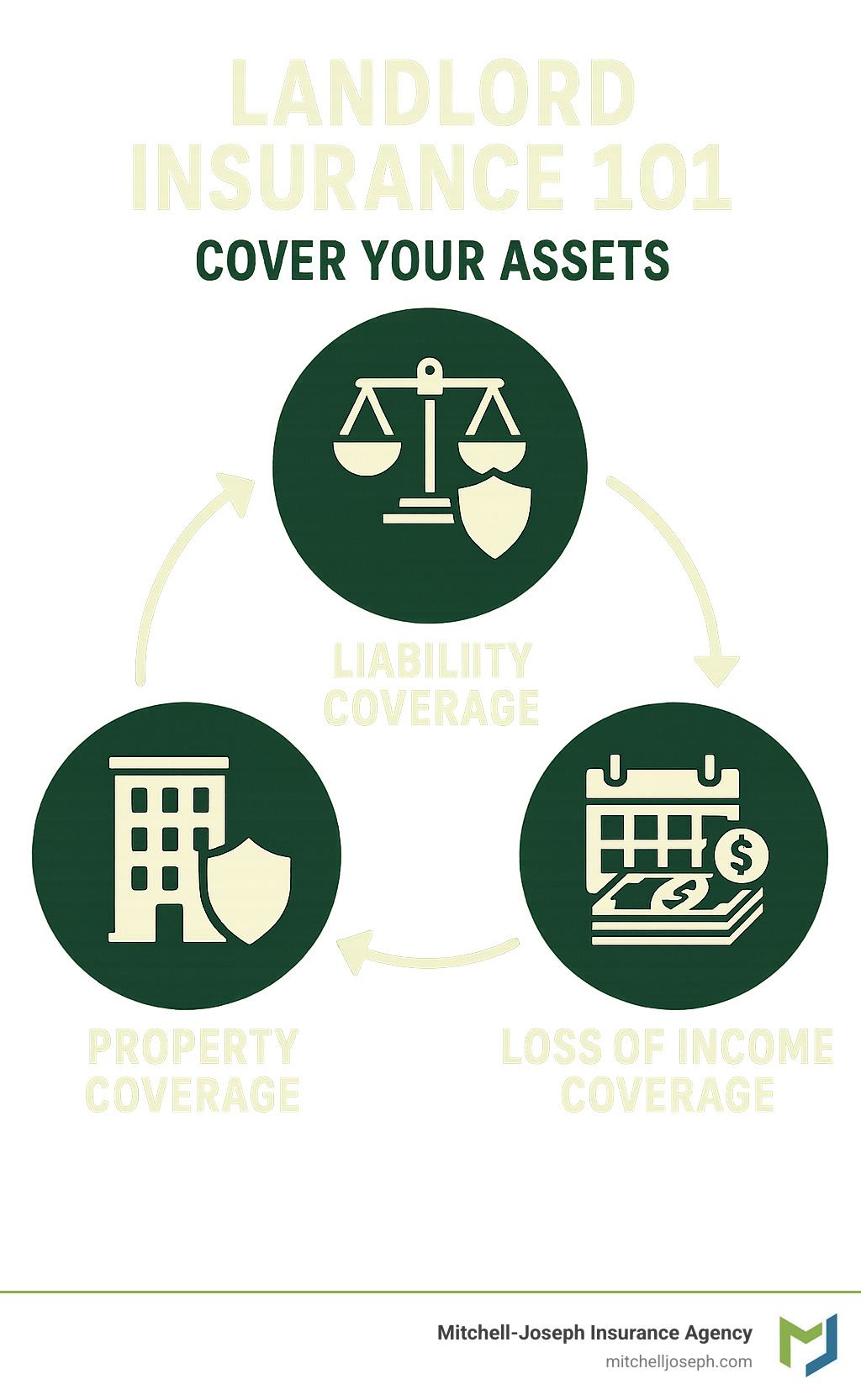
What Business Insurance for Landlords Covers:
- Property Protection – Building structure, other structures, and landlord-owned contents
- Liability Coverage – Slip-and-fall accidents, tenant injuries, and third-party claims
- Loss of Income – Lost rental income when property becomes uninhabitable due to covered damage
- Legal Defense – Attorney fees and court costs for liability lawsuits
Common Policy Types:
- Business Owner’s Policy (BOP) – Bundles property and liability coverage
- General Liability Insurance – Protects against third-party injury claims
- Commercial Property Insurance – Covers building and contents damage
- Workers’ Compensation – Required if you employ maintenance staff or property managers
From employee injuries to tenant lawsuits, landlords face risks that can result in significant financial losses. A single lawsuit or major property damage event could force your rental business to close without proper insurance protection.
As Jeffrey Joseph from Mitchell-Joseph Insurance Agency, I’ve helped landlords across the Finger Lakes region secure comprehensive business insurance for landlords coverage since 1999. My experience shows that the right insurance strategy protects both your property investment and your rental income stream.
Quick business insurance for landlords terms:
- business insurance agents near me
- business insurance for contractors
- business insurance for franchises
Why Business Insurance for Landlords is a Non-Negotiable Asset
Imagine a tenant slips on ice at your rental property, resulting in a $200,000 lawsuit. Without proper business insurance for landlords, a single incident like this could wipe out your investment. This isn’t just a worst-case scenario; it’s a reality many property owners face. Fires can destroy buildings, theft and vandalism can cause thousands in damages overnight, and natural disasters can damage multiple properties at once.
The financial threats extend beyond property damage. A visitor injured in a common area can trigger expensive lawsuits that exceed the value of smaller rental operations, which is why umbrella insurance is often recommended. Furthermore, your mortgage lender likely requires business insurance for landlords before you can rent out the property. They understand that uninsured claims can quickly turn a profitable investment into a financial disaster.
Crucially, your standard homeowner’s policy excludes business activities, leaving you exposed. Business insurance for landlords specifically addresses the unique risks of rental property ownership. A well-structured policy ensures business continuity, protecting both your property and your rental income. It’s not an optional expense—it’s the foundation of a secure rental business. For comprehensive protection, explore our Business Insurance Coverage solutions.
What Your Landlord Insurance Policy Covers (And What It Doesn’t)
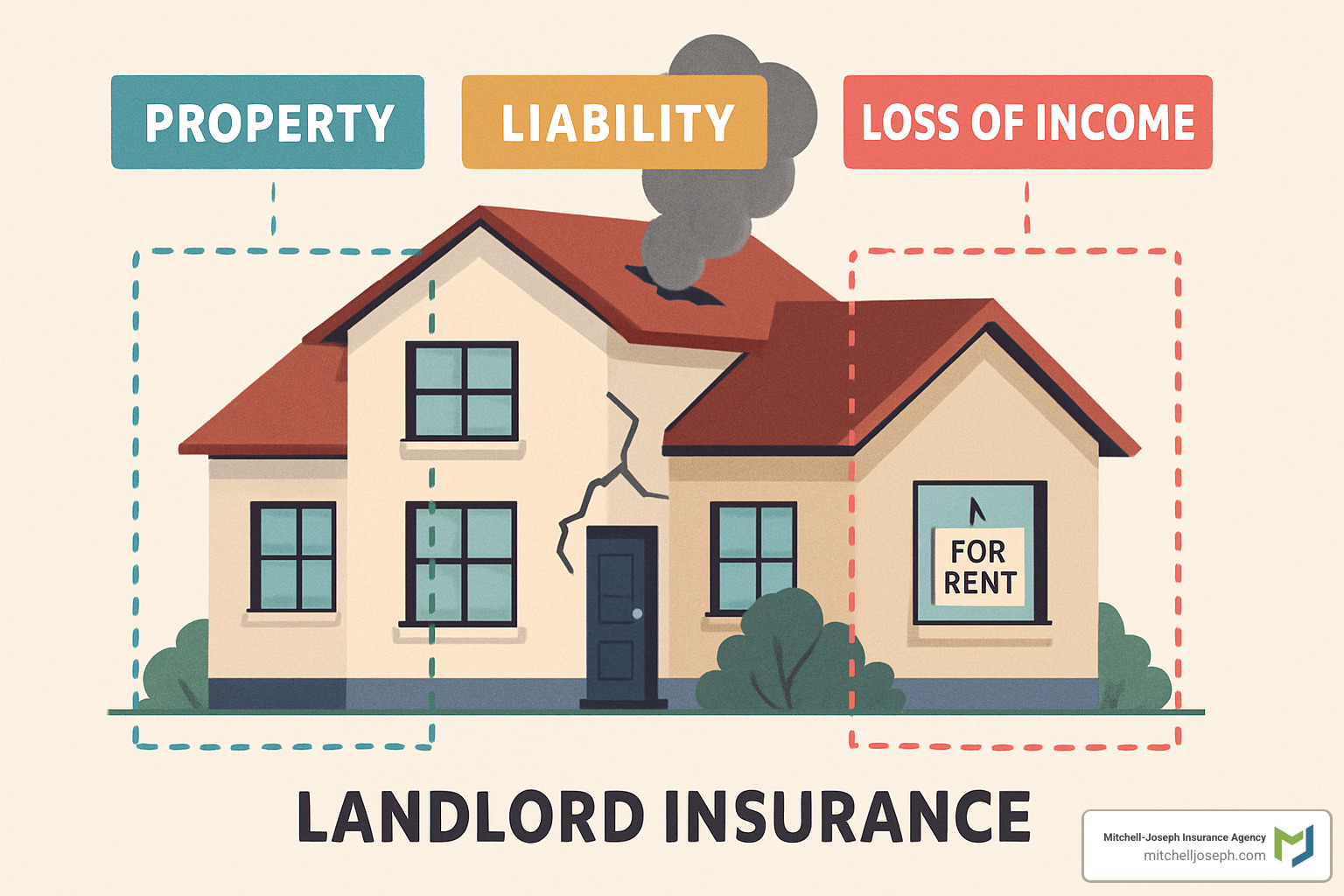
Landlord insurance is a focused safety net, but it is not limitless. Knowing the basics of what is and is not protected keeps surprises (and bills) to a minimum.
Core Property Protections
- Building structure – walls, roof, floors, and permanently-attached systems.
- Other structures – detached garages, fences, sheds, and similar outbuildings.
- Landlord-owned personal property – appliances, built-ins, and maintenance equipment you keep on-site.
For regional considerations, see Property Insurance Rochester NY.
General Liability Coverage
- Slip-and-fall & tenant injuries in hallways, parking lots, and other common areas.
- Property damage to others – e.g., a burst pipe that floods the unit below.
- Legal defense & medical payments – attorney fees, court costs, and immediate medical bills.
Recommended minimum limit: $2 million. Details at our General Liability Policy.
Business Interruption (Loss of Rents)
- Replaces rental income during repairs after a covered peril such as fire or wind.
- Helps pay fixed expenses (mortgage, taxes, utilities) for 12–24 months.
- Must result from damage already covered by the property portion of the policy. Learn more at Business Interruption Insurance NY.
Common Exclusions
- Tenant belongings (they need renters insurance).
- Normal wear & tear or routine maintenance.
- Intentional or malicious damage by occupants (often requires an add-on).
- Flood, earthquake, and sewer backup unless specifically endorsed. See Flood Insurance for Landlords.
Bottom line: insure what you own and require tenants to cover what they own. An experienced agent helps you decide which optional add-ons make sense for each property.
Tailoring Your Protection: Optional & Specialized Coverages
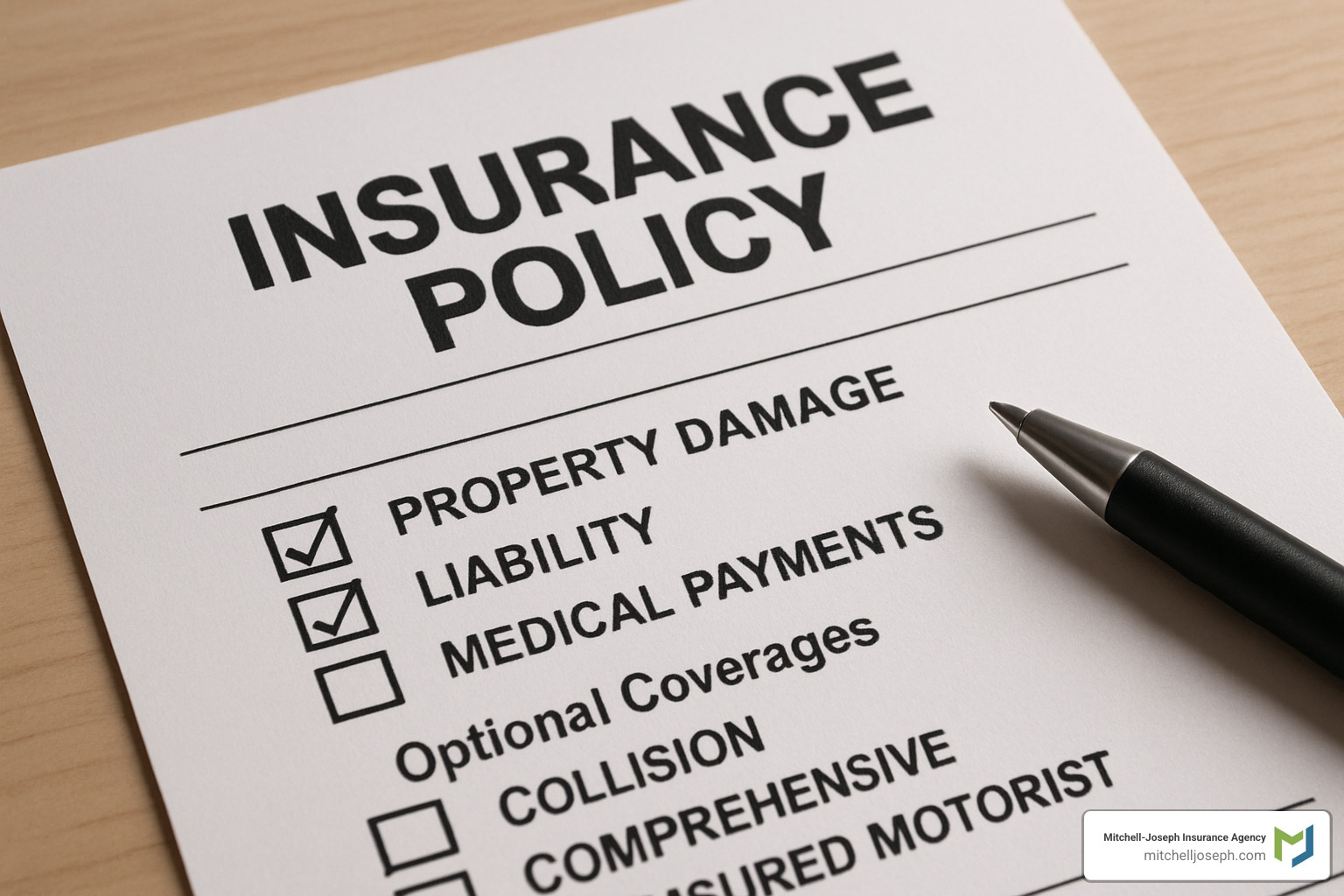
A base landlord policy is a great start, but gaps remain. The add-ons below plug the most common holes and typically cost only a few extra dollars per month.
Popular Optional Coverages
- Building Ordinance or Law – pays for code-required upgrades after a loss.
- Equipment Breakdown – covers sudden failure of boilers, HVAC, or major electrical panels.
- Water/Sewer Backup – cleanup and repairs when drains or sewers overflow.
- Service Line – excavation and replacement of buried water, sewer, or power lines between the street and the building.
Umbrella Insurance
When lawsuits exceed the limits on your primary policy, an umbrella adds $1 million – $10 million of extra protection—vital for landlords with multiple properties or substantial personal assets. Details: Umbrella Insurance Coverage.
Situational Policies
- Vacant property insurance – needed when a unit is empty longer than 30-60 days.
- Builder’s risk – for ground-up construction or major renovations.
- Mixed-use & condo landlord coverage – coordinates protection when residential and commercial spaces share the same roof.
Work with an independent agent to decide which of these add-ons fit your specific risk profile and budget.
Navigating the Cost and Process of Getting Insured

What Drives Your Premium?
- Location – crime stats, fire protection, and weather risks.
- Construction & age – newer, non-combustible buildings cost less to insure.
- Number of units – more tenants mean more liability, but also economies of scale.
- Claims history – clean record = preferred pricing.
- Limits & deductibles – higher limits cost more; higher deductibles cost less.
- Safety features – alarms, sprinklers, and security systems earn discounts.
A Faster Way to Shop
- Gather basic info: address, year built, square footage, updates, and current rent roll.
- Call an independent agent (like Mitchell-Joseph) who can quote multiple carriers at once.
- Compare coverage first, price second. Small wording changes can mean big claim differences.
- Review annually; building values, rents, and regulations change.
Ready to compare? Start here: Business Insurance Quotes in NY.
Landlord vs. Tenant: A Guide to Insurance Responsibilities
The golden rule is simple: landlords insure the building, tenants insure their stuff.
| Coverage Area | Landlord Pays | Tenant Pays |
|---|---|---|
| Building & attached structures | ✓ | |
| Landlord-supplied appliances | ✓ | |
| Personal belongings (furniture, electronics, etc.) | ✓ | |
| Business liability (common areas, structural issues) | ✓ | |
| Personal liability (dog bite, kitchen fire) | ✓ | |
| Loss of rent / additional living expenses | ✓ (lost rents) | ✓ (hotel costs) |
Why Require Renters Insurance?
- Additional insured language puts their policy in front of yours in a lawsuit.
- Helps tenants recover quickly after a loss, so they can keep paying rent.
- Reduces your out-of-pocket costs when damages stem from tenant negligence.
Common claims—slip-and-falls, burst pipes, kitchen fires—are easier (and cheaper) to resolve when everyone has the right coverage.
Frequently Asked Questions about Business Insurance for Landlords
How is landlord insurance different from a homeowner’s policy?
Homeowner coverage protects property you live in; landlord insurance protects property you rent out. Because renting is a business activity, a homeowner policy can deny claims related to tenants, lost rents, or business liability.
Is landlord insurance required in New York?
The state does not mandate landlord insurance, but lenders almost always do. Additionally, workers’ compensation is legally required if you employ anyone. Skipping coverage leaves you one accident away from financial disaster.
Does the policy cover damage caused by tenants?
- Accidental damage (e.g., cooking fire) – usually covered.
- Intentional or malicious damage – usually excluded unless you buy an endorsement.
- Wear and tear – never covered.
Requiring renters insurance and conducting regular inspections are the best defenses.
Secure Your Investment with the Right Partner
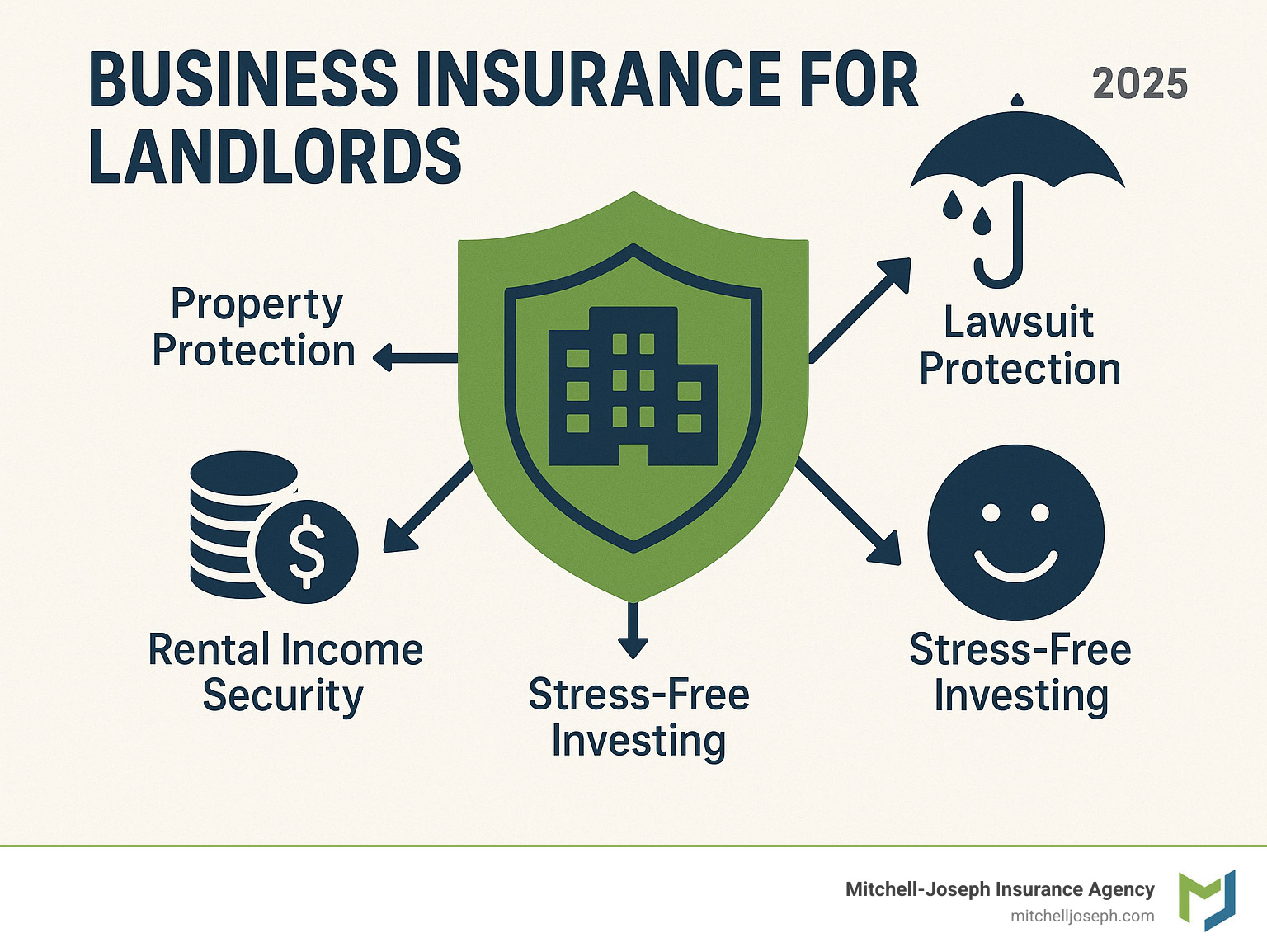
Protecting your rental property investment doesn’t have to feel overwhelming. When you understand what business insurance for landlords covers and work with the right insurance partner, you can focus on what you do best – managing your properties and growing your rental business.
Let’s be honest: insurance can feel complicated. But the core message is simple. Your rental properties face unique risks that regular homeowner’s insurance won’t cover. From tenant injuries to property damage to lost rental income, these risks can seriously impact your financial security. The good news? The right insurance coverage protects you from these potential disasters.
Property protection keeps your building and contents safe from fire, storms, and other covered damage. Liability coverage shields you from expensive lawsuits when someone gets hurt on your property. Business interruption coverage replaces your lost rental income when covered damage makes your property uninhabitable. Together, these coverages create a safety net that lets you sleep better at night.
We’ve seen too many landlords learn about coverage gaps the hard way. A tenant slips on an icy walkway, and suddenly you’re facing a lawsuit that could cost hundreds of thousands of dollars. A kitchen fire displaces your tenants for months, and your rental income disappears while repair costs pile up. These scenarios aren’t just theoretical – they happen to real landlords every day.
At Mitchell-Joseph Insurance Agency, we’ve been helping landlords throughout the Finger Lakes region steer these challenges for decades. Our team brings over 200 years of combined experience to every conversation, and we understand the local market conditions that affect properties in Rochester, Canandaigua, Victor, and surrounding communities.
What makes us different is our independent agency approach. We work with 24 different insurance companies, which means we can shop around to find you the best coverage at the most competitive price. We’re not tied to one company’s products – we find what works best for your specific situation.
Every landlord’s needs are different. A single-family rental in a quiet neighborhood faces different risks than a multi-unit building downtown. Your insurance should reflect these differences. We take time to understand your properties, your tenants, and your concerns. Then we customize your coverage to match your actual risks, not some generic template.
Reviewing your coverage annually ensures your protection keeps pace with changes in your property values, rental income, and business growth. Property improvements, market changes, and new regulations all affect your insurance needs. We stay on top of these changes so you don’t have to.
The rental property market keeps evolving, and so do the risks you face. New liability exposures, changing local laws, and emerging coverage options require an insurance partner who stays current with industry trends. We monitor these developments and proactively recommend coverage adjustments when they make sense for your situation.
Business insurance for landlords isn’t just about meeting your mortgage lender’s requirements – though it does that too. It’s about protecting the investment you’ve worked hard to build. It’s about ensuring that one bad incident doesn’t derail your entire rental business. Most importantly, it’s about giving you the confidence to pursue new opportunities without worrying about potential disasters.
Don’t wait until you need coverage to find you don’t have enough. Contact us today to review your current protection and explore how we can strengthen your coverage. Our personalized approach means you’ll get exactly the protection you need, without paying for coverage you don’t.
Learn more about our Business Insurance options and find how we can help protect your rental property investment with coverage solutions designed specifically for your needs.

