

When Water Comes Back: Understanding the Value of Backup Coverage
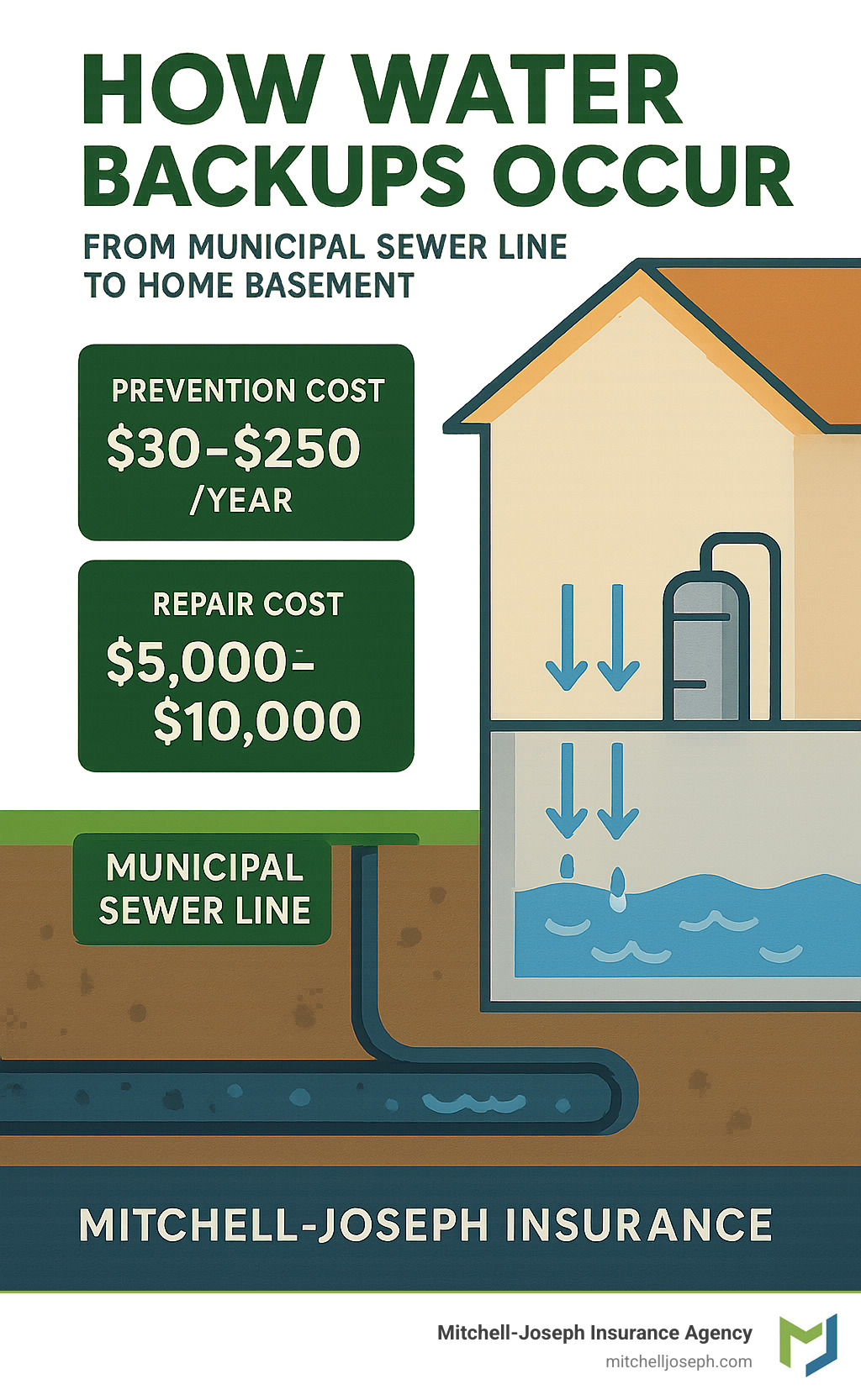
Is water backup insurance worth it? Yes, for most homeowners, water backup insurance is worth the cost as it provides protection against a common yet excluded peril in standard policies. Typically costing $30-$250 annually, this endorsement covers damage from sewer backups and sump pump failures that can otherwise result in $5,000-$10,000 in out-of-pocket repairs.
| Water Backup Insurance Value Assessment | Details |
|---|---|
| Average annual cost | $30-$250 |
| Average claim amount | $5,000-$10,000 |
| Risk frequency | 75,000 sewage backups annually in the US |
| Standard policy coverage | Not included in basic homeowners insurance |
| Best for | Homes with basements, sump pumps, older plumbing, aging municipal sewer systems |
Few homeowners anticipate the nightmare of sewage backing up into their basement or a failed sump pump flooding their lower level. Yet according to EPA estimates, approximately 75,000 sewage backup incidents occur annually in the United States. Water damage ranks as the third most costly homeowners insurance claim type, behind only fire and liability lawsuits.
What makes these incidents particularly troubling is that standard homeowners policies typically exclude water backup damage. This coverage gap leaves many homeowners financially vulnerable unless they’ve added specific protection.
Water backup insurance fills this critical gap by covering damage caused when water or sewage backs up through drains, overflows from a sump pump, or enters your home through sewer lines. Without this endorsement, you could face thousands in repair costs completely out of pocket.
I’m Jeffrey Joseph, owner of Mitchell-Joseph Insurance Agency, and I’ve helped hundreds of homeowners evaluate whether water backup insurance is worth it for their specific situation over my 20+ years in the insurance industry. My experience shows that this relatively inexpensive endorsement often provides some of the best value in insurance protection.
Handy is water backup insurance worth it terms:
– does homeowners insurance cover water damage from sewer backup
– water damage due to rain
– does sewer line protection covers clogged tub
Water Backup Insurance 101: What It Covers and What It Doesn’t
I’ll never forget the call from a Canandaigua homeowner last winter. She was in tears, standing in her finished basement surrounded by backed-up sewage. Her first question broke my heart: “Is this covered by my regular homeowners insurance?” Unfortunately, I had to deliver the news that so many homeowners dread – standard policies simply don’t cover water backup damage.
Water backup insurance is that critical optional endorsement (sometimes called a rider) that fills this protection gap in your homeowners, condo, or renters insurance. This coverage specifically protects you when:
Sewage or water backs up through your drains or sewer lines
Water overflows from a sump pump failure
Water enters your home through backed-up sewer lines
This protection is especially valuable here in Western New York, where many communities like Rochester, Victor, and Pittsford have wastewater infrastructure that’s over 50 years old. The older these systems get, the higher your risk of experiencing a backup.
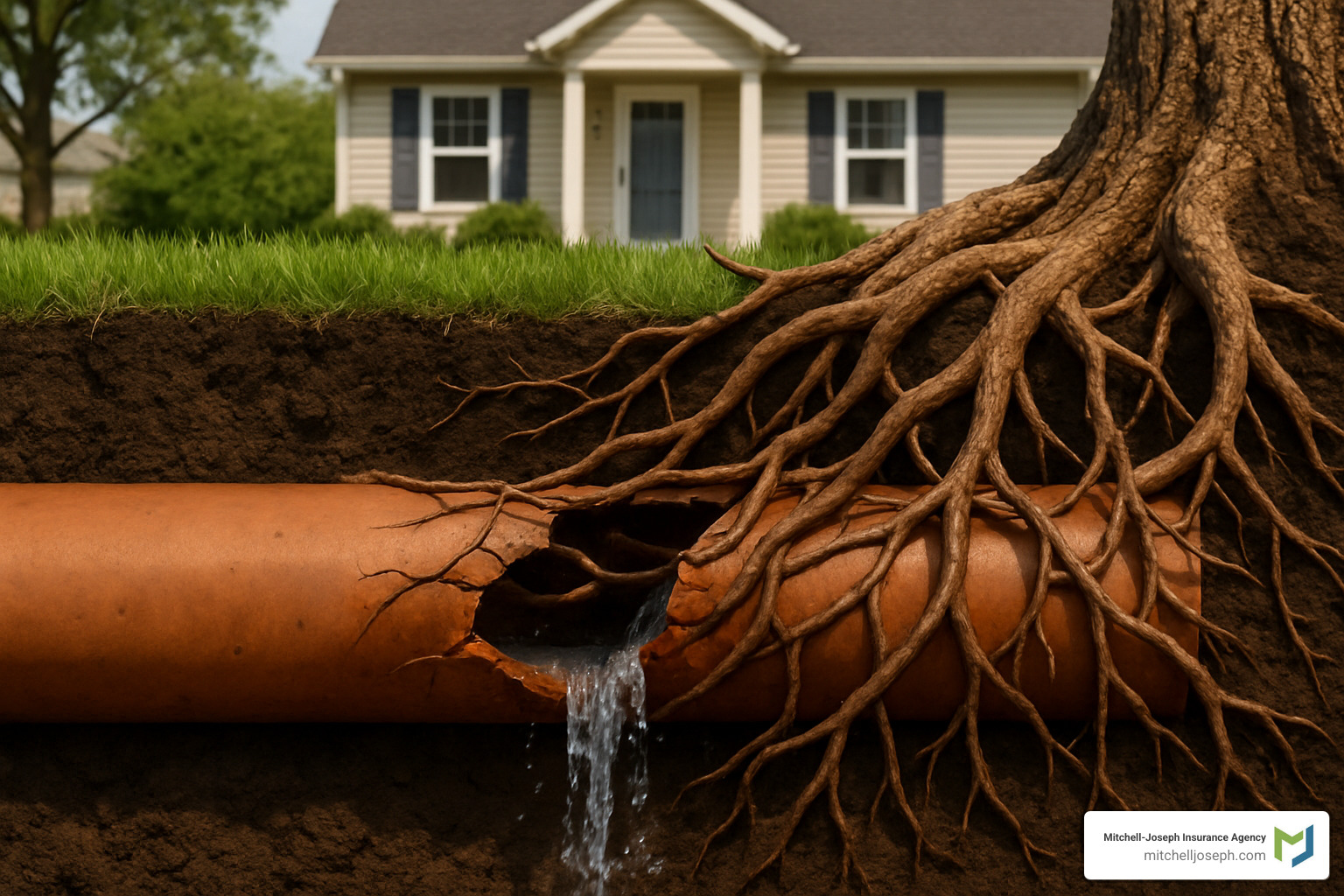
A Honeoye Falls client told me after tree roots invaded their sewer line: “I never thought it could happen to me. The water backup endorsement saved us from paying over $8,000 out of pocket. For just $75 a year, it was the best insurance decision we ever made.”
The Insurance Information Institute reports that about one in every 60 insured homes files a water damage claim each year. That’s why we’re so passionate about helping homeowners understand this coverage. Learn more about Water Backup Coverage on our website.
Standard Homeowners vs Flood vs Water Backup
One of the biggest misconceptions I hear is that “water damage is water damage” – and that standard policies should cover it all. But in reality, the insurance industry makes critical distinctions based on where the water comes from:
Standard Homeowners Insurance protects against sudden, accidental water damage from burst pipes, leaking roofs (though not the roof repair itself), and water used to extinguish fires.
Flood Insurance (typically through NFIP) covers rising water from outside sources like rivers or heavy rainfall, storm surges, and mudflows.
Water Backup Coverage specifically protects against sewer backups, drain backups, and sump pump failures or overflows.
The key difference is the direction and source of the water. If water is coming up and in (backing up), rather than falling down or bursting out from within your plumbing system, you need water backup coverage.
What Water Backup Covers—Line-by-Line
When you add this valuable endorsement to your policy, it typically provides comprehensive protection for:
Structural Damage including drywall repair, flooring replacement (whether carpet, hardwood, or tile), electrical system repairs, foundation assessment, and critically important mold remediation that results from the backup.
Personal Property protection covers your furniture, electronics, clothing, and other belongings damaged by the backup water or sewage.
Loss-of-Use Coverage provides for temporary housing if your home becomes uninhabitable, additional living expenses during repairs, and even restaurant meals if your kitchen is unusable.
Cleanup Costs include professional water extraction and drying, sanitization (especially crucial with sewage backups), and debris removal.
A Rochester client shared: “When our sump pump failed during a power outage, water damaged our basement entertainment room. The water backup coverage not only paid for repairs but also covered our hotel stay while the basement was treated for potential mold. The coverage was comprehensive and the claims process was straightforward.”
What Water Backup Does NOT Cover
Understanding the limitations is just as important as knowing the benefits:
Groundwater Seepage through foundation walls or floors due to hydrostatic pressure isn’t covered by water backup insurance. This requires separate coverage or waterproofing solutions.
Broken Appliance Repair isn’t included. While your policy will pay for damage caused by a failed sump pump, it typically won’t pay to repair or replace the pump itself. The same applies to other water-causing appliances.
Service Lines outside your home require separate service line coverage. Water backup coverage focuses on damage inside your home’s walls. Learn more about Scientific research on U.S. water-damage claims.
Willful Neglect voids coverage. If you knew your sump pump wasn’t working properly for months and did nothing, resulting claims may be denied.
Flooding from external natural sources like rivers or heavy rainfall requires separate flood insurance – it’s not included in water backup coverage.
Is water backup insurance worth it? For most homeowners with basements, sump pumps, or homes in areas with aging sewer systems, the answer is a resounding yes. The modest cost provides protection against a potentially devastating expense that standard policies simply don’t cover.
Is Water Backup Insurance Worth It? Crunching the Numbers
When homeowners ask me if water backup insurance is worth it, I often pull out a calculator and walk through the numbers together. Let’s be honest – nobody wants to spend money on insurance they’ll never use, but the math here is pretty compelling.
The average water backup claim costs between $5,000 and $10,000 to repair. This includes everything from initial water removal and drying to sanitizing and replacing damaged materials and belongings. It adds up quickly, especially when sewage is involved.
In contrast, water backup coverage typically costs between $30 and $250 per year. For most of our clients here in Rochester and surrounding areas, we find the average premium runs about $75-100 annually for $10,000 in coverage. That’s less than $10 a month for significant protection.

Let’s look at the long-term picture:
| Scenario | 10-Year Cost | One Claim Amount | Net Financial Impact |
|---|---|---|---|
| With $10K coverage @ $100/year | $1,000 premium | $8,000 claim paid | +$7,000 |
| Without coverage | $0 premium | $8,000 out-of-pocket | -$8,000 |
Even with a typical $1,000 deductible, the math clearly favors having the coverage. Just one claim in a decade more than justifies the premium investment.
According to the EPA’s research on sanitary sewer overflows, several factors are actually increasing our risk of backups:
- Many Western NY communities have aging infrastructure that’s more prone to failures
- Climate change is bringing more intense rainfall events
- Population growth is straining existing systems beyond their capacity
- Tree roots are constantly seeking water sources and infiltrating lateral lines
The Financial Risks of Skipping Coverage: is water backup insurance worth it?
When I sit down with clients debating whether water backup insurance is worth it, I ask them to consider what they’d face without coverage:
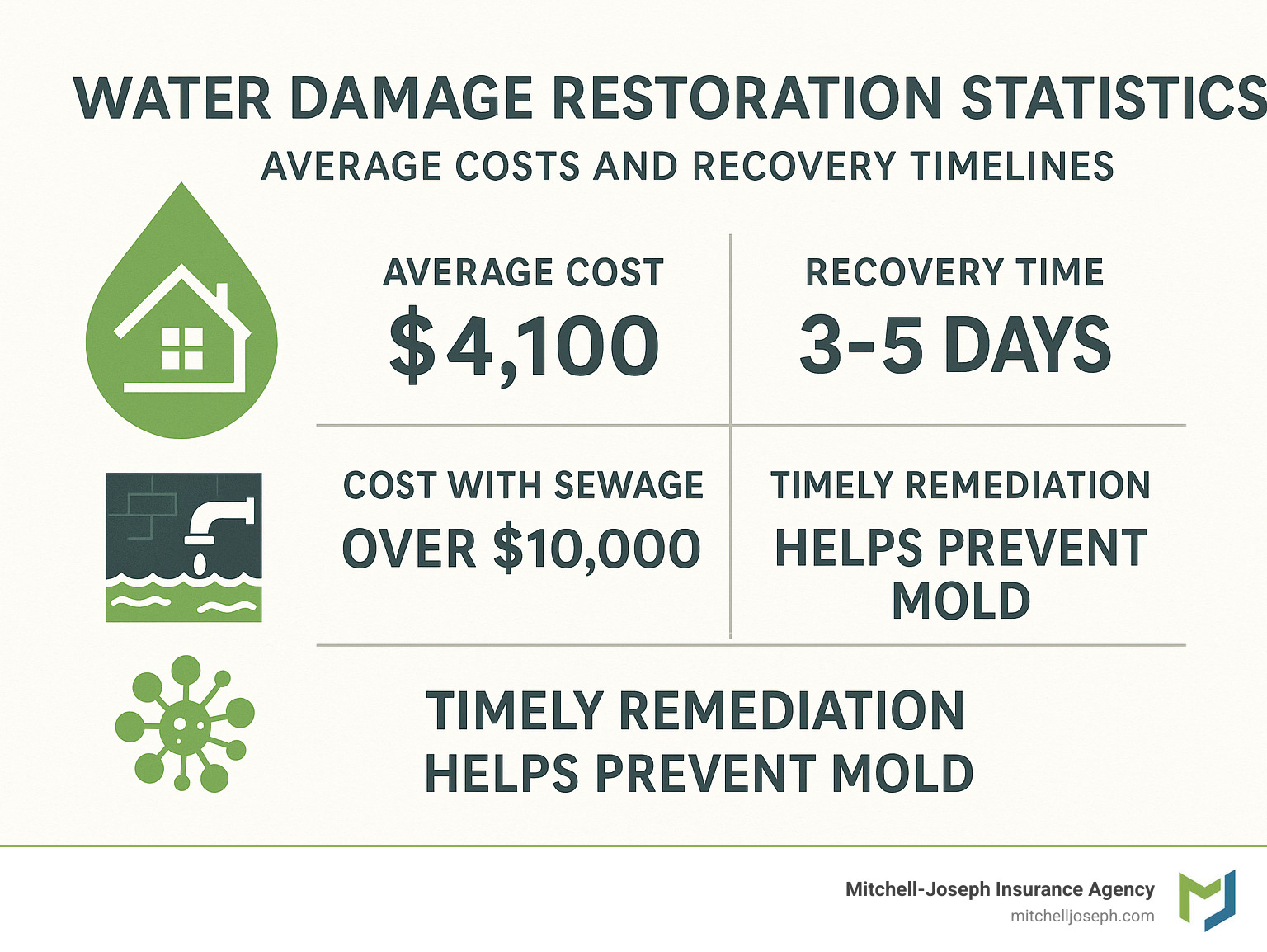
Out-of-pocket repair costs can be devastating. For a finished basement with quality materials, expenses can easily exceed $10,000, especially if sewage remediation is needed. One of our clients in Victor found this out the hard way when their uninsured basement took on sewage during a heavy storm.
Property devaluation is another real concern. Water damage that isn’t properly remediated leads to long-term issues like mold, structural weakness, or persistent odors—all of which can decrease your home’s value. Professional remediation covered by insurance helps maintain what’s likely your biggest investment.
Emergency lodging expenses add up quickly. If a severe backup makes your home temporarily uninhabitable, you’ll need to fund alternative accommodations yourself. Water backup coverage typically includes loss-of-use benefits that pay for hotels, meals, and other additional living expenses while your home is being restored.
Lost irreplaceable items can’t be recovered. While insurance can’t replace family photos or heirlooms, having coverage ensures you can at least restore or replace damaged belongings without additional financial strain.
A Pittsford client recently told me: “I debated whether adding water backup coverage was worth the extra $85 a year. Then my neighbor’s basement flooded from a sewer backup, costing them over $12,000 out of pocket. I immediately called to add the coverage to my policy.”
Peace of Mind & Added Benefits: is water backup insurance worth it for your family?
Beyond dollars and cents, is water backup insurance worth it for the intangible benefits? Many of our clients emphatically say yes, pointing to:
Stress reduction during heavy rainstorms. Instead of anxiously checking your basement every hour, you can rest easier knowing you’re protected if the worst happens. This peace of mind is especially valuable during power outages that could affect your sump pump.
Quick recovery options become immediately available. With insurance coverage, you can focus on remediation right away rather than delaying due to financial concerns—potentially preventing secondary damage like mold growth that compounds the problem.
Modest endorsement cost makes it accessible for most budgets. For many homeowners, the coverage costs less than a monthly streaming service subscription but provides substantial financial protection against a common risk.
Comprehensive protection completes your home insurance picture. When combined with standard homeowners and flood insurance (if needed), water backup coverage helps create a more complete protection package for your home.
Who Needs Water Backup Coverage Most?
Not everyone faces the same risk when it comes to water damage, but certain situations make water backup coverage particularly valuable. As I’ve seen helping homeowners across Western New York, some properties are simply more vulnerable than others.
Homes with basements top the list of properties that benefit most from this coverage. Since basements sit below the grade of sewer lines, they’re naturally the first place water goes when something backs up. One Victor homeowner told me, “I never thought about water backup until I found three inches of water covering everything we had stored downstairs.”
If you’ve invested in finishing your lower level with drywall, flooring, furniture, or electronics, your potential loss multiplies significantly. A flooded unfinished basement is bad enough, but when that water damages your home theater system or newly installed carpeting, the financial hit can be devastating.
Sump pump owners should definitely consider this coverage. These devices are your first line of defense against water accumulation, but they’re not foolproof. Mechanical failures happen, power outages occur at the worst possible times, and sometimes the water volume simply overwhelms the system. One Rochester family finded this during a severe thunderstorm that knocked out power for 12 hours – just when their basement needed pumping most.

Older homes come with their own set of risks. Properties built before 1970 typically have clay or cast iron sewer pipes that have weathered decades of use. These materials are particularly vulnerable to root intrusion and deterioration. Many charming homes in Honeoye Falls, Canandaigua, and Rochester’s historic neighborhoods fall into this higher-risk category.
Living in areas with aging municipal sewers increases your backup risk substantially. Much of Western NY’s infrastructure was installed generations ago, and these systems are increasingly prone to main line backups that can affect residential connections. As one Pittsford resident finded, “The backup in our basement wasn’t even from our pipes – it was from the town’s main line that couldn’t handle the volume during heavy rain.”
Properties with mature trees face unique challenges. Those beautiful old maples and oaks that provide shade and character can have extensive root systems that infiltrate and damage sewer lines. I’ve seen countless claims in established neighborhoods like Mendon where tree roots were the primary culprit in sewer backups.
Even renters with valuable belongings should consider water backup coverage, especially if they have basement-level apartments or use building storage areas. Your landlord’s insurance won’t cover your damaged possessions.
Learn more about Sewer and Water Backup Insurance on our website.
Risk-Assessment Checklist
To determine if water backup insurance is worth it for your specific situation, consider these risk factors:
Your home’s location matters tremendously. Are you in a low-lying area where water naturally collects? Does your neighborhood have a history of sewer problems? Homes at the bottom of hills or in areas with documented backup issues face higher risks. Equally important is the age of your municipal sewer system – older infrastructure simply fails more often.
The characteristics of your home itself play a major role. An older home with original clay pipes faces different risks than a new construction with modern PVC plumbing. If you rely on a sump pump, consider its age and reliability. How you use your basement – whether for simple storage or as a fully furnished living space – affects your potential loss as well.
Environmental factors can’t be overlooked. Areas with heavy seasonal rainfall, poor soil drainage, or high water tables experience more water issues. Large trees near your sewer line pose a particular threat, as their roots naturally seek out water sources – often finding it in the tiny joints of your sewer pipes.
A client in Naples told me after completing this assessment: “I realized my 1940s home with its original clay pipes, combined with the large maple trees in my yard, put me at high risk for sewer backups. Adding water backup coverage was an easy decision after that assessment.”
Choosing the Right Coverage Limit
Water backup coverage typically starts at $5,000 and can range up to $50,000 or even full replacement cost. Finding the right amount for your situation requires some thoughtful consideration.
Start by taking stock of what’s in your basement. That old couch might not be worth much, but what about the new flat-screen TV, exercise equipment, or your spouse’s craft supplies? These items add up quickly. One Canandaigua homeowner was shocked to find their basement contents exceeded $20,000 when they actually listed everything.
Consider your renovation materials if you have a finished space. Basic drywall and carpet are relatively inexpensive to replace, but custom built-ins, hardwood flooring, or specialized electronics require higher coverage limits.
Don’t forget the structural elements that could be damaged. Even in an unfinished basement, water can damage electrical systems, your furnace, water heater, and even the foundation itself. These repair costs extend beyond simply replacing wet belongings.
Cleanup costs often surprise homeowners. Professional water extraction, drying, and especially sewage cleanup require specialized equipment and expertise. These services can easily run thousands of dollars, particularly if sewage is involved.
If you’re planning to finish or upgrade your basement in the near future, consider increasing your coverage limit accordingly. It’s easier to adjust your policy now than to find you’re underinsured after investing in improvements.
For most average homes in the Rochester area with partially finished basements, we typically recommend at least $10,000-$15,000 in coverage. For homes with fully finished basements used as living space, $25,000 or more is often appropriate. The small additional premium for higher limits often provides significant extra protection for a modest cost.
Prevention & Maintenance Tips to Lower Risk (and Premium)
While water backup insurance provides essential financial protection, let’s be honest—nobody wants to deal with sewage in their basement in the first place. Taking preventive steps not only helps you avoid this nightmare scenario but could also lower your insurance premiums. Win-win!
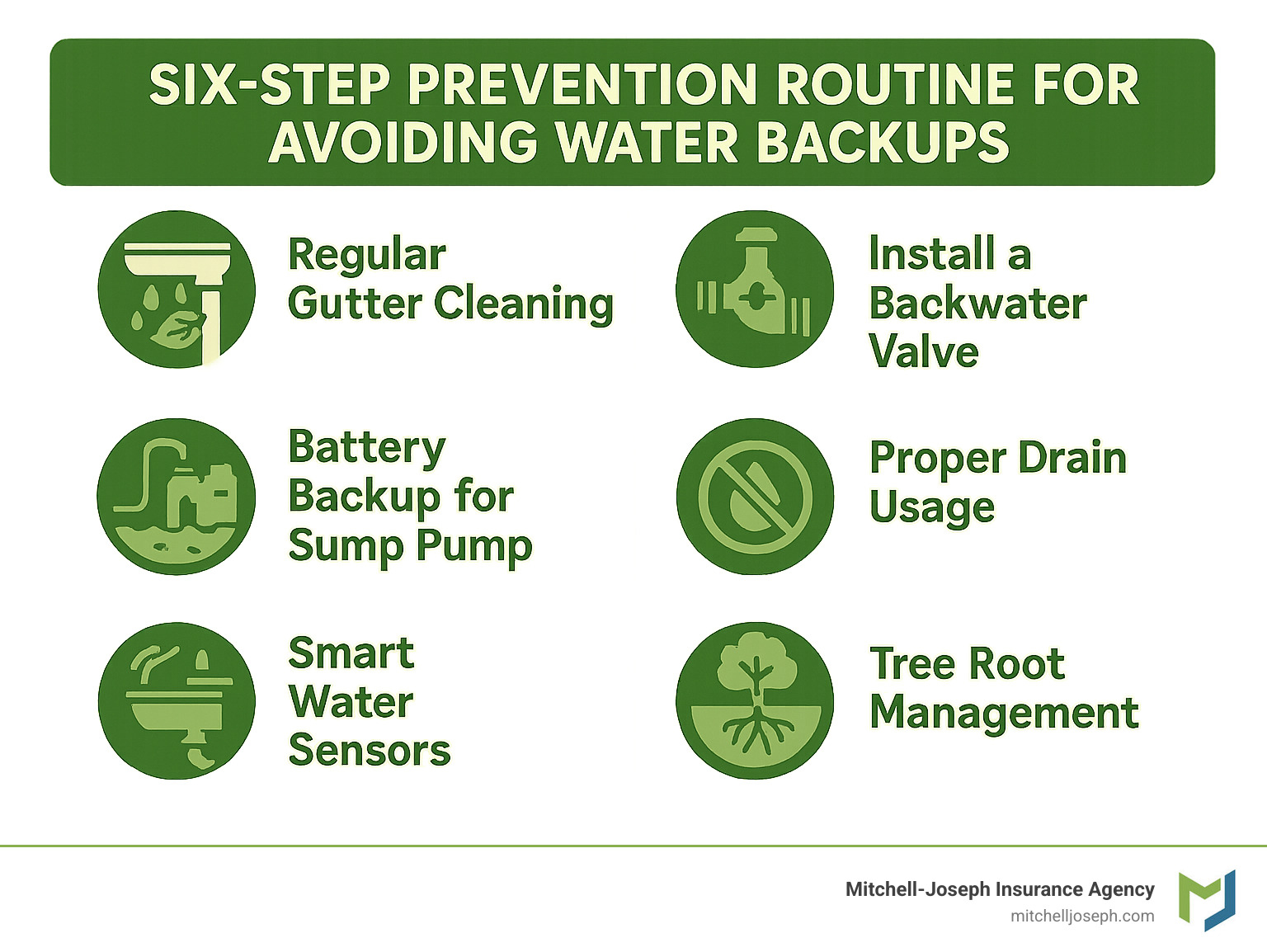
Regular gutter cleaning is one of the simplest yet most effective preventive measures you can take. When gutters clog with leaves and debris, water can pool around your foundation and put extra pressure on your drainage system. I recommend cleaning them at least twice yearly, with autumn being especially important after the leaves have fallen. Your future self will thank you!
Installing a backwater valve (sometimes called a backflow preventer) is like having a one-way door for your plumbing system. It allows water to flow out while preventing it from flowing back in—exactly what you want when municipal systems get overwhelmed. Yes, the $1,000-$2,000 installation cost might make you wince, but it’s a fraction of what you might pay for a serious backup.

Heavy storms and power outages often arrive as an unwelcome package deal. That’s why a battery backup for your sump pump is so valuable—it keeps your pump working precisely when you need it most. One Rochester homeowner told me, “That $300 battery backup saved me thousands during last spring’s power outage. Best money I ever spent!”
Technology can also be your ally. Smart water sensors have come a long way in recent years, sending alerts straight to your smartphone when water levels rise. This early warning system can give you precious time to respond before minor issues become major disasters.
Your daily habits matter too. Proper drain etiquette might not be dinner conversation, but it’s crucial for preventing backups. Avoid flushing anything other than toilet paper, and never pour grease down drains (it hardens inside pipes, creating stubborn blockages).
If you have large trees near your sewer line, consider regular tree root management. Roots naturally seek out water sources and can infiltrate and damage sewer lines. Having a plumber inspect your line every 2-3 years can identify intrusions before they cause backups.
Don’t forget to test your sump pump regularly. A quarterly check is simple—just pour water into the pit and ensure it activates and drains properly. It takes five minutes but provides months of peace of mind.
I recently heard from a client in Rushville who implemented several of these prevention measures. Not only did she feel more secure, but we were able to get her a discount on her water backup coverage premium. As she put it, “The prevention steps paid for themselves in just a few years—and I sleep better during heavy rainstorms!”
DIY vs Professional Maintenance
When it comes to maintenance, knowing what you can handle yourself and when to call the pros can save you both money and headaches.
You can absolutely tackle some tasks yourself, like gutter cleaning (for single-story homes), sump pump testing, and smart sensor installation. These DIY projects require minimal expertise and can be completed in an afternoon.
However, other tasks are best left to professionals with specialized equipment and expertise. Sewer line inspections using camera technology can spot problems invisible to the naked eye. Backwater valve installations require plumbing knowledge and often permits. Root removal from sewer lines needs specialized equipment that most homeowners simply don’t have.
For professional services, I’ve found annual maintenance contracts typically offer better value than one-off emergency services. Many plumbing companies throughout the Rochester area offer annual inspection packages that include camera inspections and preventive maintenance.
The numbers make a compelling case for professional maintenance:
– Average annual maintenance contract: $150-300
– Average emergency sewer line clearing: $500-1,500
– Average water backup claim: $5,000-10,000
Plus, many manufacturers’ warranties on equipment like sump pumps and backflow preventers require professional installation and maintenance to remain valid. When a Victor client tried to file a warranty claim on a DIY-installed sump pump, he learned this lesson the hard way.
Bonus Endorsements to Consider
While water backup coverage addresses a significant risk, consider pairing it with these complementary endorsements for more comprehensive protection.
Service line coverage is like water backup’s perfect partner. While water backup coverage typically stops at your home’s foundation, service line coverage extends protection to those underground utility lines on your property, including water and sewer lines. When a 70-year-old cast iron pipe fails under your front yard, you’ll be glad you have this coverage. Learn more about Service Line Insurance Coverage on our website.
Equipment breakdown coverage fills another potential gap. Water backup insurance covers damage caused by failed equipment like sump pumps, but not the cost to repair or replace that equipment itself. Equipment breakdown coverage steps in to help replace the failed systems that keep your home dry.
If you store valuable items in basement areas, scheduled personal property coverage ensures full replacement value for specific high-value items that might otherwise be subject to coverage limits.
A homeowner in Victor recently shared with me: “Adding both water backup and service line coverage gave us complete peace of mind. When our sewer line collapsed due to age, the service line coverage paid for the excavation and replacement. The peace of mind alone was worth the premium!”
Filing and Winning a Water Backup Claim
When water backs up into your home, quick and proper action can make all the difference in your insurance claim outcome. I’ve guided hundreds of homeowners through this stressful process, and those who follow these steps typically see faster, more favorable claim resolutions.
First and foremost, safety must be your priority. Sewage backups contain dangerous bacteria and potential electrical hazards. Never wade into standing water where electrical outlets or appliances might be submerged, and if you must enter affected areas, wear protective gear like rubber boots, gloves, and a mask.
Before you start cleaning or moving anything, thoroughly document the damage. This step is absolutely crucial! Take clear photos and videos of everything—capture the backup source if visible, the water’s extent, and every affected item and area. A client in Farmington once told me, “Those 15 minutes I spent taking photos before cleanup saved me thousands in disputed damages later.”
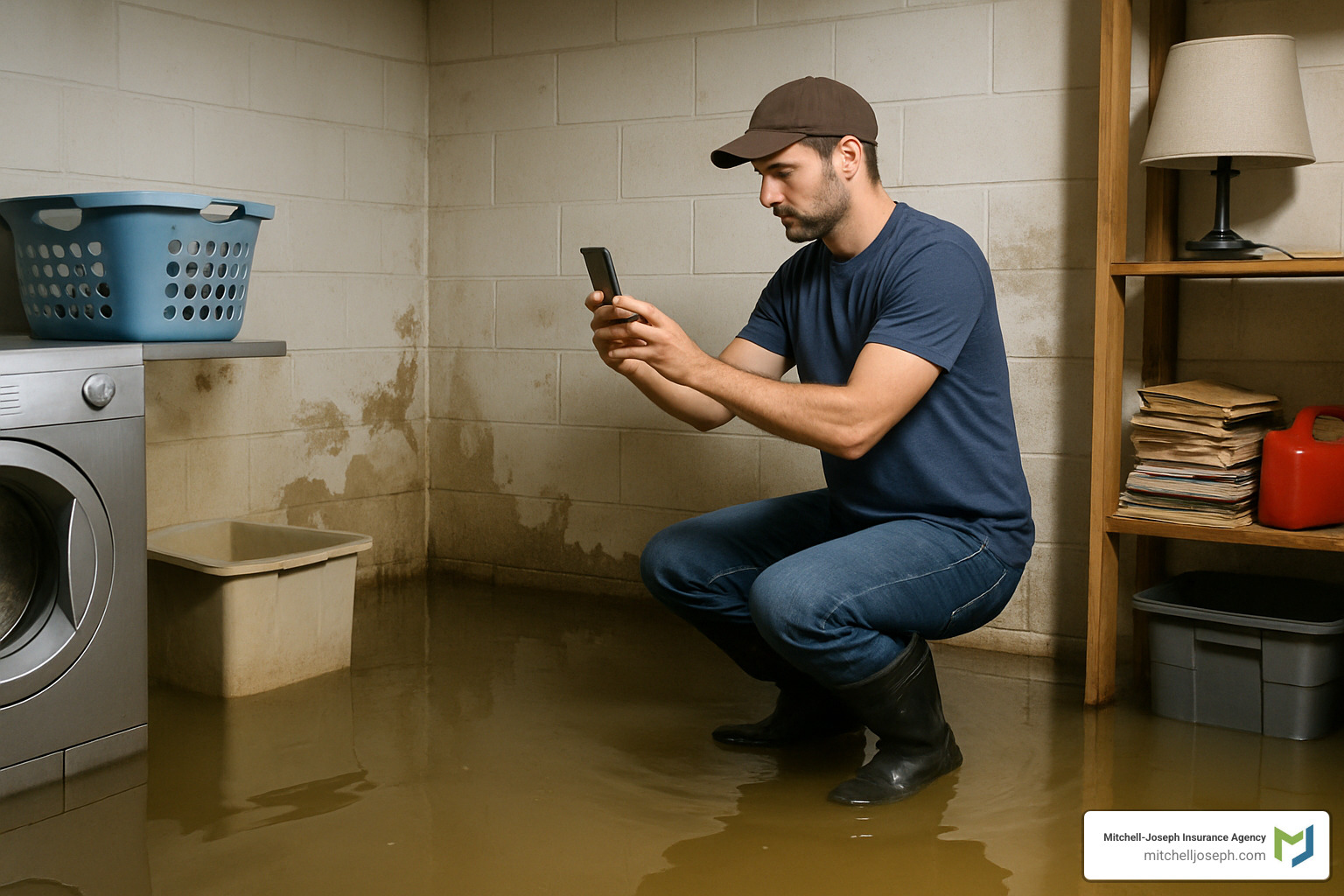
Once you’ve documented everything, you need to take reasonable steps to prevent additional damage. Your policy actually requires this, and failing to do so could jeopardize your claim. This typically means shutting off water sources if possible, moving valuable items to dry areas, using a wet vacuum to remove standing water, and setting up fans to begin the drying process.
Contact your insurance company promptly—ideally within 24 hours. When you call, be clear and factual about what happened. Specifically mention that you have water backup coverage and avoid speculating about causes you’re unsure about. A simple statement like “I finded water backing up through my basement floor drain” works better than lengthy explanations with uncertain details.
When the adjuster visits your home, walk them through everything. Show them all damaged areas and items, share your documentation, and provide receipts for any emergency services you’ve already paid for. Being organized here makes a tremendous difference in how your claim is perceived.
To ensure fair compensation, obtain estimates from licensed contractors for necessary repairs. These independent assessments help verify that the insurance company’s settlement offer adequately covers your actual restoration costs. One Rochester homeowner shared, “The adjuster’s initial estimate missed several damaged areas behind the walls. Having my contractor’s detailed assessment helped me receive nearly $3,000 more on my claim.”
Throughout the entire process, maintain detailed records of every conversation, email, and interaction related to your claim. Note dates, names of representatives you speak with, and what was discussed. Save all receipts for repairs, replacements, and any temporary accommodations if you needed to relocate.
Learn more about handling Water Backup Damage on our website.
Step-by-Step Claims Checklist
When water disaster strikes, emotions run high and it’s easy to miss important steps. I’ve created this timeline-based checklist from years of helping clients steer successful claims:
Immediate Actions (First 24 Hours):
Stop the water source if possible and safe to do so. Document everything with photos and videos before cleaning anything. Contact your insurance company right away to report the claim. Begin water removal if it’s safe. Move undamaged items to dry areas to protect them.
Short-Term Actions (Days 2-7):
Meet with the insurance adjuster and provide your documentation. Obtain professional cleaning and restoration estimates. Keep every receipt for emergency services you pay for. Create an inventory of damaged items with approximate purchase dates and values. Continue the drying process to prevent mold development.
Long-Term Actions (Week 2 and Beyond):
Review the insurance settlement offer carefully—don’t rush to accept the first offer if it seems low. Get independent repair estimates if needed for comparison. Oversee repairs and restoration work to ensure quality. Keep your agent informed of progress or problems. Consider what preventive measures might avoid future incidents.
A client from Avon recently shared: “Following the claims checklist made all the difference. By documenting everything before cleanup and keeping detailed records, our claim was approved quickly and fully. The adjuster specifically mentioned how well-prepared we were.”
Common Claim Pitfalls & How to Avoid Them
After helping hundreds of homeowners through water backup claims, I’ve noticed several recurring issues that can derail otherwise valid claims. Being aware of these potential pitfalls can save you significant hassle and money.
Delayed reporting can seriously compromise your claim. Insurance companies expect prompt notification, and waiting too long gives them grounds to question the timing and cause of damage. Even if you’re overwhelmed, make that phone call within 24 hours.
Many homeowners fall victim to insufficient documentation. Without clear “before” photos showing the original damage, it becomes your word against the adjuster’s about what was actually affected. This is why I always emphasize taking plenty of photos before cleanup begins.
Your policy creates an obligation to mitigate further damage after a loss. If you don’t take reasonable steps to prevent additional damage—like removing standing water or covering a damaged area—the insurance company may deny coverage for the resulting secondary damage.
Policy exclusion surprises catch many homeowners off guard. Take time to review your specific policy language before disaster strikes so you understand any limitations. For example, some water backup endorsements have lower limits for personal property than for structural damage.
Be careful about mixing damage types in your claim. If your basement suffers both backed-up sewer water (covered) and groundwater seepage through the foundation (not covered), be clear about distinguishing between the two causes when filing your claim.
While emergency mitigation is expected, avoid DIY repairs before assessment. Removing water and drying are appropriate, but don’t replace drywall or flooring before the adjuster has evaluated the full extent of damage.
A Victor client once told me, “I almost made the mistake of having my contractor start rebuilding before the adjuster came. Your advice to wait saved me from having the entire claim denied for ‘destroying evidence’ of the damage extent.”
At Mitchell-Joseph Insurance Agency, we pride ourselves on guiding clients through the entire claims process, not just selling policies. When water backup strikes, having a knowledgeable advocate can make all the difference in your claim outcome.
Frequently Asked Questions about Water Backup Insurance
What types of water damage are NOT covered?
When clients first call about water backup coverage, they often assume it’s a catch-all for any unwanted water in their home. Unfortunately, that’s not quite how it works.
Water backup insurance has specific boundaries around what it covers. It won’t protect you from:
- Flooding from external sources like rivers or heavy rainfall
- Groundwater seepage through foundation walls
- Damage from ongoing leaks due to poor maintenance
- Moisture or humidity problems not related to a backup
- Damage to the sump pump itself or the mechanism that failed
- Backups caused by intentional acts or gross negligence
I remember a client from Naples who called after a heavy rainstorm, confused about why her claim was denied. “I thought my water backup coverage would handle all water issues,” she told me, “but when groundwater seeped through my foundation after heavy rains, I learned this was considered flooding, not backup. I’ve since added flood insurance for complete protection.”
This is a common misunderstanding I see frequently in our Rochester-area communities, where seasonal weather can bring various water challenges.
How much water backup coverage should I buy?
This is one of the most common questions we get at Mitchell-Joseph, and my answer always starts with, “It depends on what’s in your basement.”
The appropriate coverage amount varies based on several factors:
For Unfinished Basements: $5,000-$10,000 is typically sufficient to cover cleanup and damage to mechanical systems and stored items.
For Partially Finished Basements: $10,000-$25,000 provides better protection for areas with some finished elements like drywall or basic flooring.
For Fully Finished Basements: $25,000-$50,000 or more is recommended, especially if the space serves as living area with quality finishes and electronics.
When helping clients decide, I ask them to mentally walk through their basement and consider the replacement cost of everything there – flooring materials (especially hardwood or high-end carpet), drywall and insulation, electrical systems, HVAC equipment, furniture, electronics, and stored belongings.
A good rule of thumb I share with my Canandaigua and Honeoye Falls clients: estimate the cost to completely refinish your basement, then add 20% for cleanup and unexpected issues. Water damage has a way of revealing problems you never knew existed!
Does the endorsement pay for additional living expenses?
Yes! This is one of the most valuable aspects of water backup coverage that many homeowners don’t initially consider. In most cases, water backup coverage includes Loss of Use coverage (also called Additional Living Expenses or ALE).
This kicks in if your home becomes temporarily uninhabitable due to a covered water backup incident – which happens more often than you might think, especially with sewage backups where health concerns require professional sanitization.
The coverage typically handles practical expenses like:
– Hotel or rental accommodations
– Restaurant meals when you can’t cook at home
– Laundry services if you can’t use your washer/dryer
– Pet boarding if needed
– Additional transportation costs
A client from Canandaigua recently shared her experience: “When sewage backed up into our only bathroom, the water backup coverage paid for our three-night hotel stay while professionals sanitized our home. Without this coverage, we would have paid over $600 out of pocket just for accommodations.”
It’s worth noting that Loss of Use coverage usually has its own limit, often calculated as a percentage of your dwelling coverage or as a specific dollar amount. I always recommend reviewing your policy details with your agent to understand your specific limits – before you need to use them!
Is water backup insurance worth it for the additional living expenses benefit alone? For many families, especially those with young children or elderly family members who couldn’t safely remain in a home with sewage issues, the answer is absolutely yes.
Conclusion
After diving deep into the costs, benefits, and risks throughout this article, I can confidently say that the answer to “is water backup insurance worth it?” is a resounding yes for most Western New York homeowners. When you compare the typical annual premiums of $30-$250 against potential out-of-pocket repair costs ranging from $5,000-$10,000, the financial logic becomes crystal clear.
This value becomes even more compelling when you consider the specific challenges we face in our region:
– Our Rochester-area communities often have aging sewer infrastructure that’s increasingly prone to failures
– Most homes in our area have basements, which are naturally vulnerable to backups
– We’re experiencing more frequent and intense rainfall events than in previous decades
– Standard homeowners policies specifically exclude this type of damage, leaving a dangerous coverage gap
I’ve seen how water backup insurance provides crucial protection against a specific but surprisingly common risk. For a relatively modest annual investment, you gain both financial security and invaluable peace of mind.
For truly effective protection against water backup damage, I recommend what I call the “protection triangle”:
First, focus on prevention through regular maintenance, backflow valves, and sump pump testing. These simple steps can dramatically reduce your risk exposure.
Second, secure appropriate insurance coverage with limits that reflect your home’s specific features and your basement’s contents. Don’t skimp here – properly matching your coverage to your potential loss is essential.
Third, develop a preparation plan by understanding exactly what your policy covers and knowing the immediate steps to take if you experience a backup. This preparation can significantly improve your claims experience.
At Mitchell-Joseph Insurance Agency, we’ve helped countless homeowners throughout Honeoye Falls, Rochester, Canandaigua and nearby communities find water backup coverage custom to their unique situations. As an independent agency, we have the flexibility to compare options across multiple insurance carriers, finding you the perfect balance of comprehensive coverage and affordable premiums.
Don’t wait until you’re ankle-deep in backed-up water to find this critical gap in your coverage. Reach out today to review your current policy and ensure you’re properly protected against this common risk.
For more information about your options, visit our resource center dedicated to Flood & Water Backup Insurance.

