Why Standard Coverage Might Not Be Enough for Flood Damage
Many homeowners ask, “how much flood insurance do I need?” It’s a crucial question because a standard homeowners policy doesn’t cover flood damage, leaving you financially vulnerable. To determine your needs, consider two main areas:
- Building Coverage: This should match your home’s full replacement cost—the amount needed to rebuild it, not its market value. Mortgage lenders often require coverage up to your loan balance, the replacement cost, or the National Flood Insurance Program (NFIP) maximum of $250,000, whichever is less.
- Contents Coverage: This covers your personal belongings. The NFIP provides up to $100,000, but you should calculate the actual value of your possessions to see if this is sufficient.
Floods are the most common natural disaster in the U.S. and can happen anywhere, with over 20% of flood claims occurring outside high-risk zones. Just one inch of water can cause over $25,000 in damage. Given rising construction costs, the standard NFIP limits may not be enough to fully protect your home and belongings. At Mitchell-Joseph Insurance Agency, we help homeowners secure the right protection, ensuring you make informed decisions about your policies.

How Much Flood Insurance Do I Need? A Step-by-Step Calculation
Determining “how much flood insurance do I need” is a practical, step-by-step process. It’s about figuring out what your home, belongings, and financial situation require. Let’s walk through it to ensure you’re protected.
Step 1: Calculate Your Home’s Replacement Cost (Building Coverage)
The first step is to determine your home’s Replacement Cost Value (RCV). This is what it would cost to rebuild your home from scratch, not its market value. Market value includes land and location, which aren’t relevant to rebuilding costs. RCV focuses purely on materials and labor.
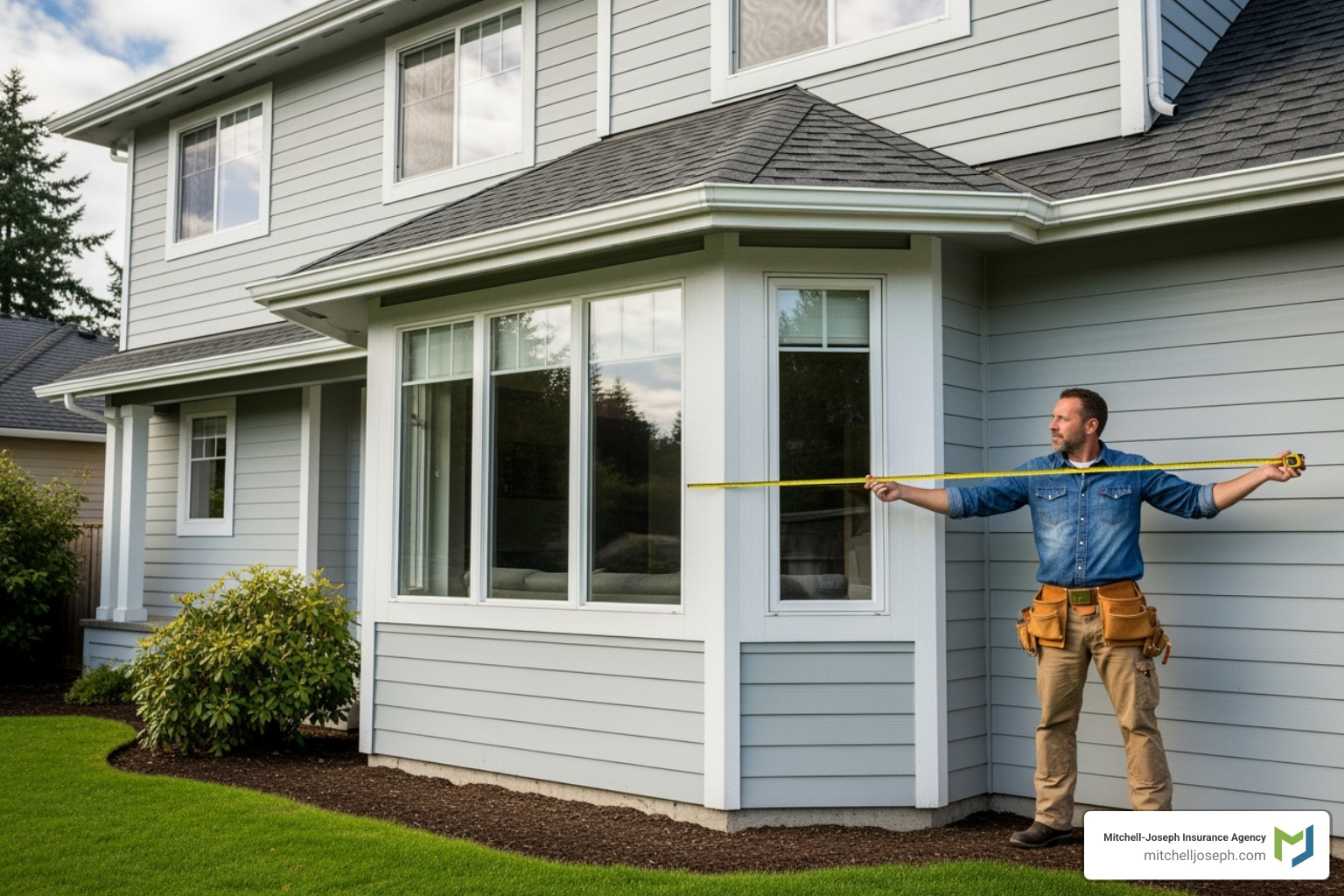
Building coverage protects your home’s structure, including the foundation, walls, roof, and essential systems like electrical wiring, HVAC, and plumbing. It also covers built-in features like cabinets and flooring.
This calculation is critical because construction costs have risen significantly. The National Association of Home Builders has reported major cost increases for materials like lumber and concrete in recent years. If your coverage hasn’t been updated, you could be underinsured. Ensuring your policy reflects the current cost to rebuild is the most fundamental step in figuring out “how much flood insurance do I need.”
Step 2: Inventory Your Personal Belongings (Contents Coverage)
Next, determine how much contents coverage you need for your personal belongings. This protects everything from furniture and electronics to clothing and kitchenware.

Standard NFIP policies cover contents at their Actual Cash Value (ACV), which includes depreciation. This means you’d receive what a five-year-old sofa is worth today, not what it costs to buy a new one. The NFIP maximum for contents is $100,000, which may not be enough to replace everything you own. Some private policies offer more generous replacement cost coverage for contents, so it’s important to check.
To get an accurate estimate, create a detailed home inventory. This is useful for all insurance claims. List your items, noting their value, purchase date, and serial numbers where possible. Photos and videos are also very helpful.
Key categories for your inventory include:
- Furniture: Sofas, tables, beds, etc.
- Electronics: TVs, computers, gaming consoles.
- Clothing: All apparel, shoes, and accessories.
- Appliances: Both large and small.
- Kitchenware: Dishes, pots, pans.
- Linens and Decor: Bedding, towels, artwork.
- Valuables: Jewelry, antiques, collectibles (consider appraisals).
- Tools, Books, and Media
Policies have deductibles—the amount you pay before coverage begins. You can explore different Flood Insurance Deductible Options to see how they affect your premium.
How much flood insurance do I need for a mortgage?
If you have a federally-backed mortgage and your home is in a Special Flood Hazard Area (SFHA), your lender will require you to have flood insurance. This is mandatory to protect their investment in your property.
Typically, your lender will require coverage equal to the lesser of these three amounts:
- The full replacement cost of your home.
- The outstanding balance of your mortgage.
- The maximum coverage available from the NFIP ($250,000 for most homes).
This creates a critical point: meeting the lender’s minimum may not be enough to protect your investment. For example, if your home’s replacement cost is $350,000, an NFIP policy will only cover up to $250,000. You would be responsible for the remaining $100,000 after a total loss. This potential coverage gap is why assess your needs beyond the minimum requirement. The rules lenders must follow, such as those in the Fannie Mae Selling Guide, provide a baseline, but your goal should be to fully protect your home’s value.
Step 4: Compare NFIP vs. Private Flood Insurance Options
With your coverage needs calculated, it’s time to compare your options: the National Flood Insurance Program (NFIP) and private flood insurance.
The NFIP is the most common source, but private insurance is a growing market with distinct advantages. Here’s a comparison:
| Feature | NFIP (National Flood Insurance Program) | Private Flood Insurance |
|---|---|---|
| Building Coverage | Up to $250,000 (residential) | Often higher, up to $2,000,000 or more |
| Contents Coverage | Up to $100,000 (Actual Cash Value) | Often higher, up to $1,000,000 or more (often Replacement Cost Value) |
| Waiting Period | 30 days for new policies | As little as 10-14 days |
| Additional Living Expenses (ALE) | Not typically included | Often included, covering costs if your home is uninhabitable. |
| Pricing Model | Risk Rating 2.0 (individual property risk) | Varies by insurer, often using advanced modeling |
Private flood insurance often provides higher limits, broader protection like Additional Living Expenses (ALE), and shorter waiting periods. If your home’s value exceeds the NFIP’s $250,000 limit, a private or “excess flood insurance” policy is essential for full protection.
FEMA’s Risk Rating 2.0 system now prices NFIP policies based on individual property risk factors (like elevation and proximity to water) rather than just flood zones. This makes it even more important to compare options. Whether you choose an NFIP or private policy, be sure you understand what is covered by the NFIP and what additional benefits a private policy might offer. Our team at Mitchell-Joseph Insurance Agency can help you compare carriers to find the right fit.
Finalizing Your Coverage and Understanding the Fine Print
You’ve assessed your home’s value, inventoried your belongings, and explored coverage options. The final step in answering “how much flood insurance do I need” is understanding the fine print—especially what isn’t covered.
What Isn’t Covered by a Standard Flood Policy?
Knowing what your policy covers is essential, but understanding what it doesn’t cover prevents surprises. Standard flood policies have specific exclusions.
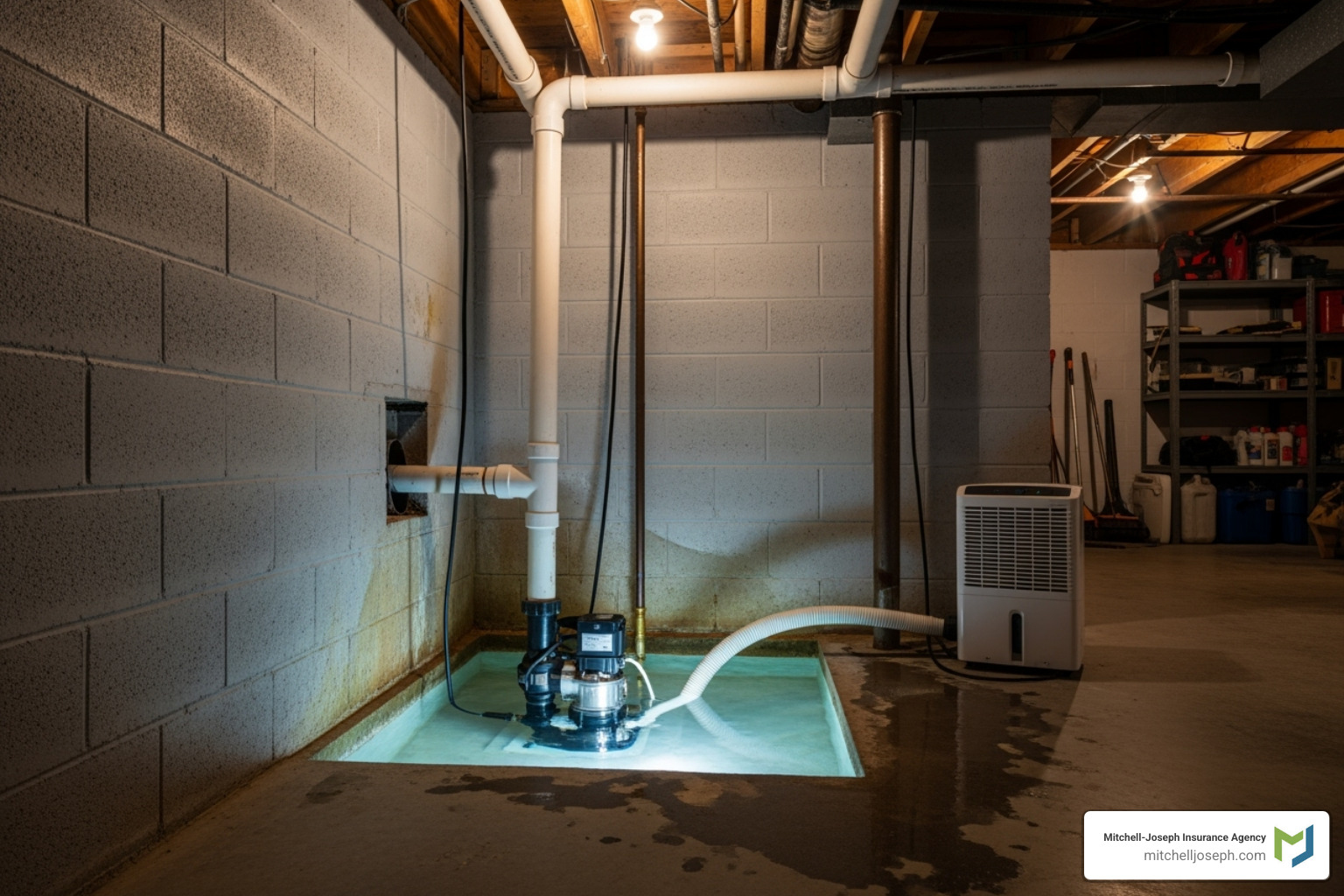
Common exclusions include:
- Property Outside the Building: Items like swimming pools, hot tubs, septic systems, fences, decks, patios, and landscaping are typically not covered.
- Valuables: Currency, precious metals, and stock certificates are excluded.
- Vehicles: Cars and other vehicles are covered by the comprehensive portion of an auto insurance policy, not flood insurance.
- Additional Living Expenses (ALE): Standard NFIP policies do not cover costs like hotel stays if your home is uninhabitable. Some private policies do offer this coverage.
- Preventable Damage: Damage from moisture, mildew, or mold that you could have reasonably prevented after a flood may not be covered.
- Sewer Backup: If a sewer backup is not a direct result of a widespread flood, it’s generally not covered. For this, you would need a separate endorsement on your homeowner’s policy. Understanding the difference between water backup insurance vs. flood insurance is key.
- Business Losses: Loss of income from a home-based business is not covered.
Always review your policy documents carefully with your agent to understand all specific exclusions.
How can I determine how much flood insurance I need?
To truly determine “how much flood insurance do I need,” you must complete a personalized assessment. This involves:
- Calculating your home’s Replacement Cost Value (RCV).
- Inventorying your personal belongings for contents coverage.
- Understanding your mortgage lender’s minimum requirements and where they may fall short.
- Comparing NFIP and private flood insurance options to find the best fit.
This process is about safeguarding your financial future. With just one inch of water causing over $25,000 in damage and over 25% of NFIP claims coming from outside high-risk zones, adequate coverage is crucial for every homeowner. The peace of mind from knowing you’re protected is invaluable.
At Mitchell-Joseph Insurance Agency, we provide personalized assessments and expert consultation. As an independent agency, we work with multiple insurance companies to find the perfect fit for your needs and budget, ensuring you get custom coverage.
Don’t wait for a flood to find out if you’re properly insured. Let us help you proactively protect your home.