

Home insurance coverage types are essential for protecting your property and peace of mind. Whether you’re securing your main residence or a lovely family cabin, understanding the coverage options available can safeguard against unexpected damages and financial strain. Here’s a quick peek at the main coverage types homeowners might consider:
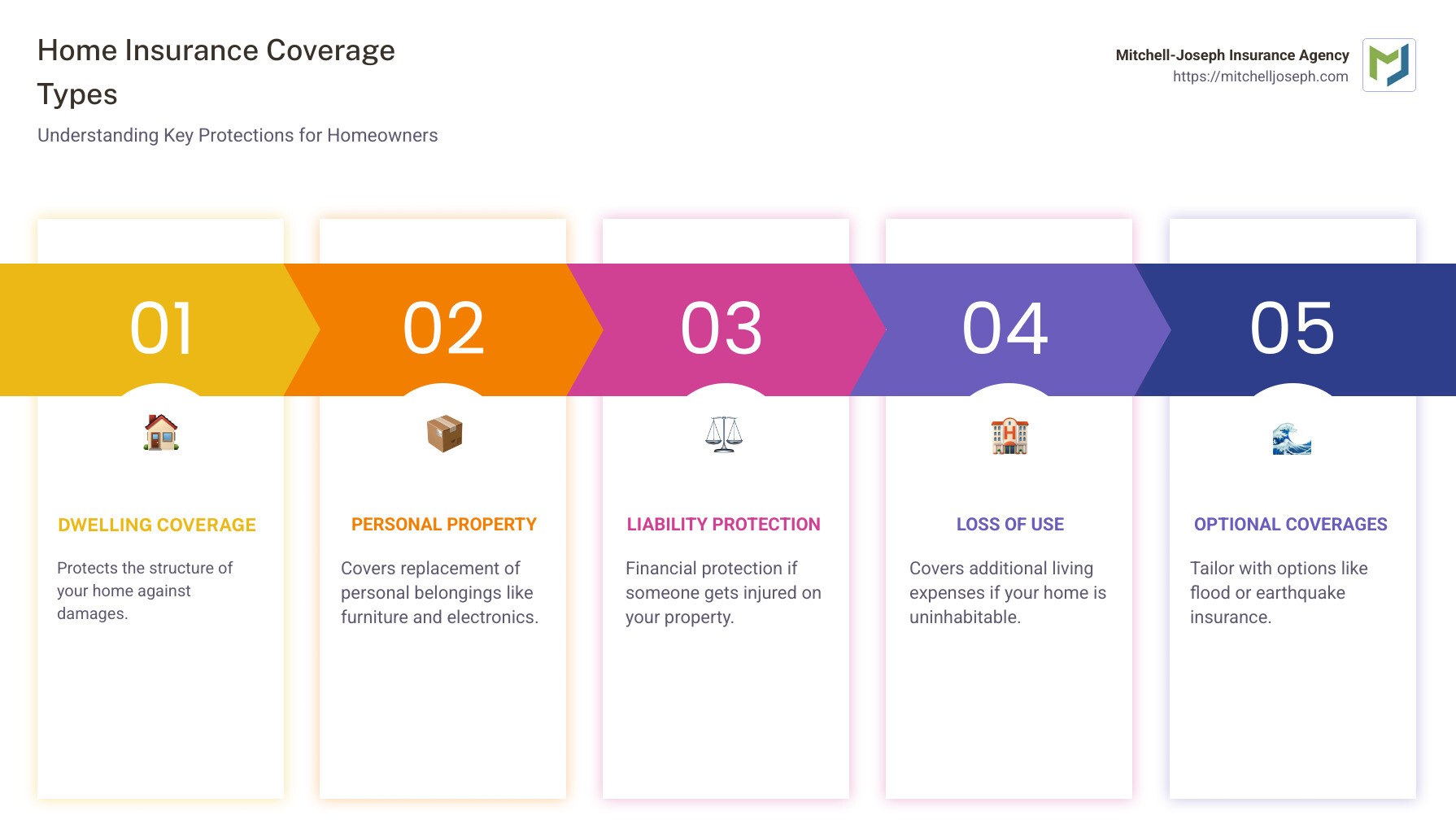
- Dwelling Coverage: Protects against damages to the structure of your home.
- Personal Property Coverage: Covers the cost of replacing personal belongings like furniture and electronics in case of theft or damage.
- Liability Coverage: Offers financial protection if someone is injured on your property.
- Loss of Use Coverage: Covers additional living expenses if your home is uninhabitable due to a covered event.
These core policies can be custom with additional options like flood or earthquake insurance to fit unique needs and risks.
I’m Jeffrey Joseph, and I have extensive experience helping clients steer the home insurance coverage types landscape to find custom solutions. With over two decades at Mitchell-Joseph Insurance, my focus has been on offering personalized service and a wide range of protection options to ensure clients’ assets are well-protected.
Types of Homeowners Insurance Policies
Understanding the different homeowners insurance policies can be like navigating a maze. But don’t worry, we’re here to make it simple and clear. Let’s explore the eight main types of policies you might encounter.
HO-1: Basic Form
HO-1 insurance is the most basic coverage. It covers your home for specific perils like fire, lightning, or theft. However, it does not cover personal property or liability. Because of its limited protection, many insurers no longer offer this policy. It’s like having an umbrella that only works when it’s sunny!
HO-2: Broad Form
HO-2 policies offer broader coverage than HO-1. They include protection for your home and personal belongings against named perils such as the weight of snow or accidental water damage. Think of it as a slightly bigger umbrella that covers more rainy-day scenarios.
HO-3: Special Form
The HO-3 policy is the most common type of homeowners insurance. It provides open-peril coverage for your home and named-peril coverage for personal belongings. This means your home is protected from all risks except those specifically excluded. It’s like having a sturdy umbrella that shields you from most storms.
HO-4: Contents Broad Form
HO-4 insurance, or renters insurance, is designed for those who rent their homes. It covers personal belongings and offers liability protection but does not cover the building itself. Renters can think of it as a personal shield for their possessions.
HO-5: Comprehensive Form
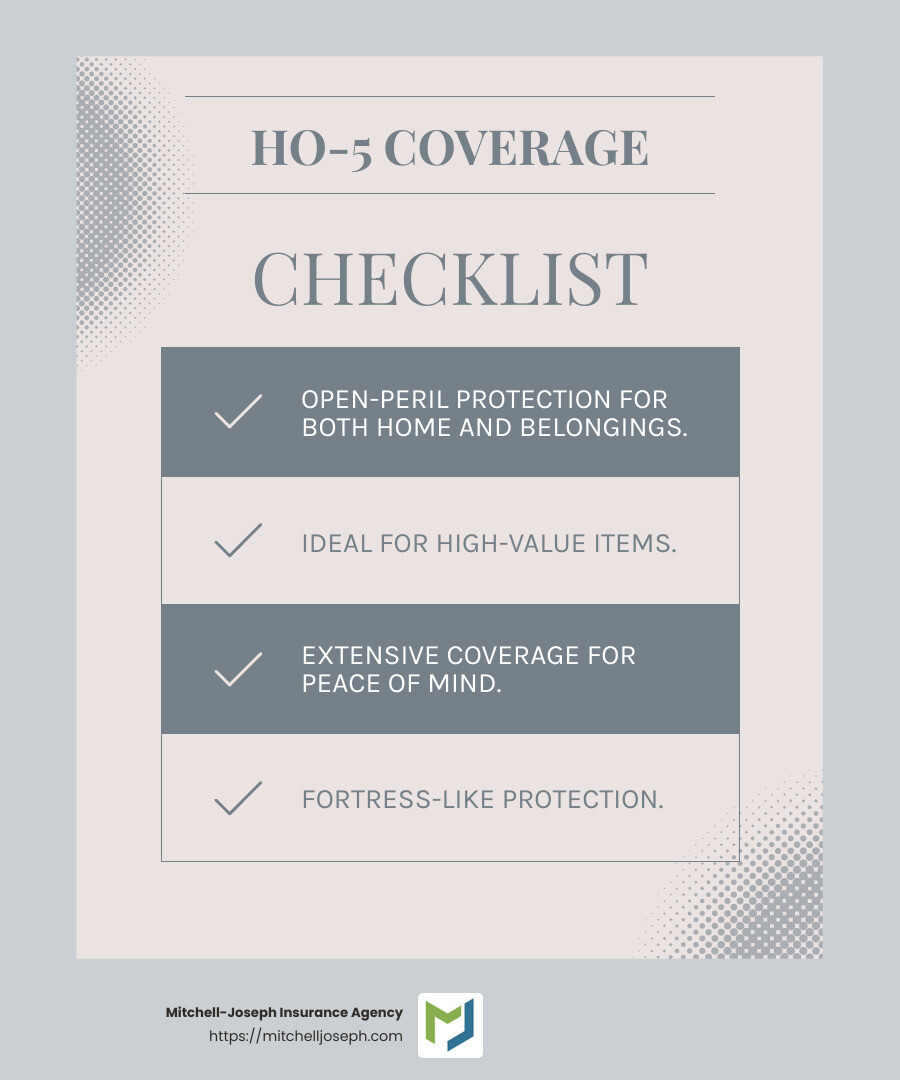
HO-5 policies provide the most extensive coverage. They offer open-peril protection for both your home and personal belongings. This type of policy is ideal for homeowners with high-value items. It’s like having a fortress of protection, ensuring peace of mind.
HO-6: Unit-Owners Form
HO-6 insurance is for condo or co-op owners. It covers the unit’s interior, personal property, and liability. Since the condo association’s policy usually covers the building’s exterior, HO-6 fills in the gaps for unit owners.
HO-7: Mobile Home Form
HO-7 policies are similar to HO-3 but specifically designed for mobile or manufactured homes. They provide protection while the home is stationary, covering both the structure and personal property.
HO-8: Modified Coverage Form
HO-8 insurance is custom for older homes where the replacement cost exceeds the market value. It offers coverage for specific perils and is often used for historic homes that might be costly to repair with original materials.
Each policy type serves different needs, so it’s crucial to choose the one that best fits your situation. Whether you’re a homeowner, renter, or condo owner, understanding these options will help you make an informed decision.
Next, we’ll explore key home insurance coverage types to further protect your investment.
Key Home Insurance Coverage Types
When it comes to protecting your home, understanding the key home insurance coverage types is essential. These coverages ensure that you, your property, and your belongings are safeguarded against unexpected events. Let’s break down the four major types of coverage you need to know:
Dwelling Coverage
Dwelling coverage is the backbone of any homeowners insurance policy. It protects the physical structure of your home, including walls, floors, and built-in appliances. If a fire, hailstorm, or other covered peril damages your home, dwelling coverage helps pay for repairs or rebuilding. Think of it as the foundation of your insurance protection, ensuring your house stands strong even after a disaster.
Personal Property Coverage
Your belongings matter, and that’s where personal property coverage comes in. This coverage protects your personal items, like furniture, clothing, and electronics, from theft or damage due to covered perils. If a thief makes off with your laptop or a storm ruins your sofa, personal property coverage helps replace them. It’s like having a safety net for your possessions, no matter where you are—even on vacation!
Liability Protection
Accidents happen, and if someone gets hurt on your property, liability protection has your back. This coverage pays for legal expenses and damages if you’re sued for injuries or property damage. Whether it’s a slip on your icy driveway or a guest tripping over a loose rug, liability protection shields you from financial fallout. It’s peace of mind knowing you’re covered, even if the unexpected occurs.
Loss of Use Coverage
When your home becomes uninhabitable due to a covered loss, loss of use coverage steps in. It covers additional living expenses, like hotel bills and meals, while your home is being repaired. Imagine a fire displacing you and your family—loss of use coverage ensures you maintain your standard of living during the repair process. It’s like having a temporary home-away-from-home budget built into your policy.
Understanding these home insurance coverage types helps you make informed decisions about your policy. Next, we’ll dig into optional coverages that can further tailor your protection to fit your unique needs.
Optional Home Insurance Coverages
While standard home insurance policies offer solid protection, optional coverages can provide that extra layer of security custom to your specific needs. Let’s explore some of these additional coverages that can be crucial, especially if you live in certain areas or have specific concerns.
Flood Insurance
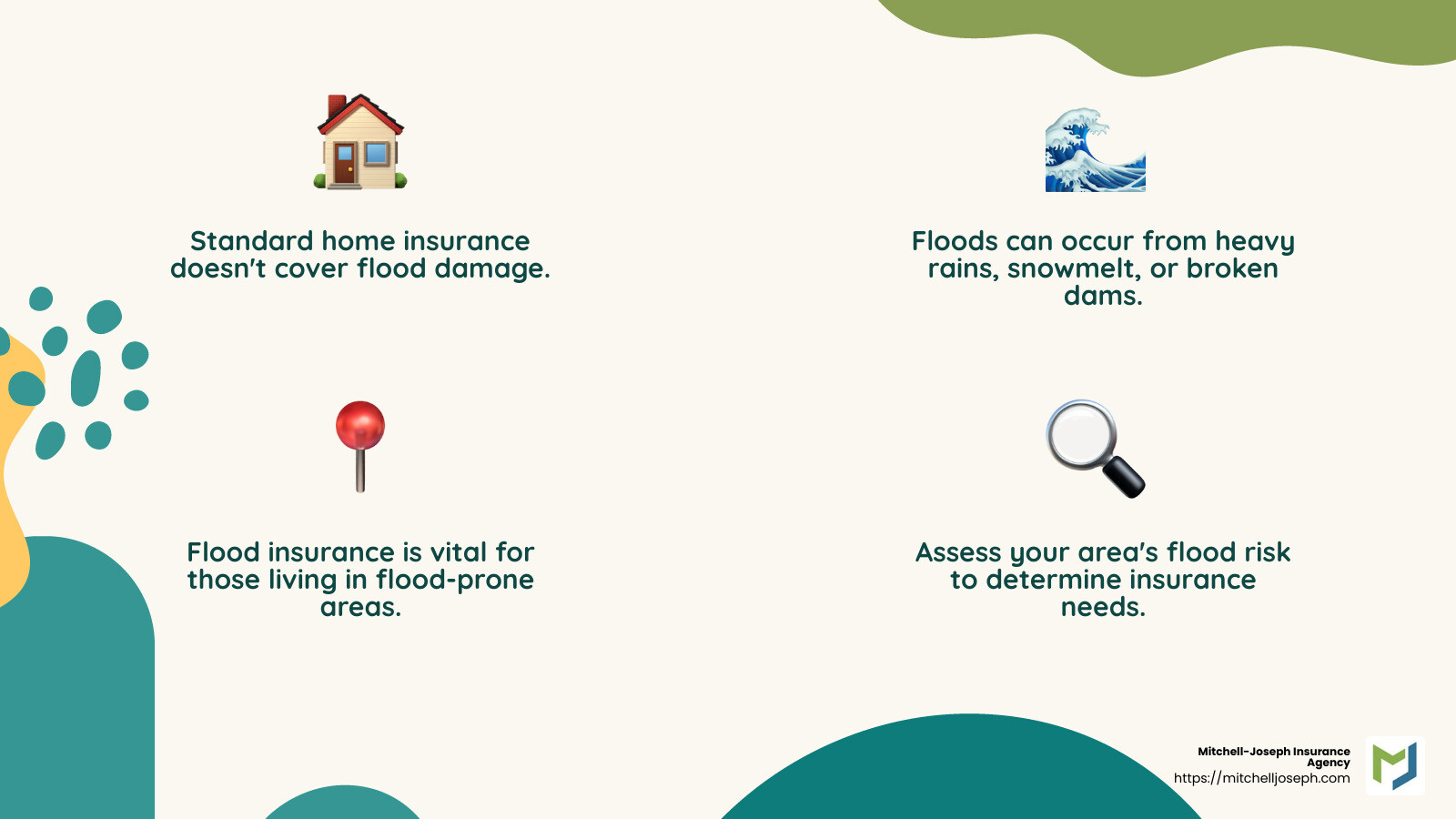
Floods aren’t just a coastal problem. Heavy rains, snowmelt, or even a broken dam can lead to unexpected flooding. Standard home insurance doesn’t cover flood damage, so flood insurance is essential if you live in a flood-prone area. It covers the structure of your home and your belongings from water damage caused by external flooding events.
Earthquake Insurance
If you live in an area with seismic activity, earthquake insurance can be a lifesaver. It covers damage to your home and personal belongings caused by earthquakes. Like flood insurance, this is a separate policy from standard homeowners insurance. It’s important to consider this coverage if you live near fault lines or in regions with a history of earthquakes.
Replacement Cost Plus
For those who worry about depreciation, replacement cost plus offers peace of mind. This optional coverage provides additional funds to rebuild your home after a total loss, accounting for increased construction costs over time. It’s particularly beneficial for long-term homeowners concerned about rising prices and the depreciation of their property.
Water Backup of Sewer
A backed-up sewer or drain can cause significant damage, and unfortunately, standard policies often don’t cover this. Water backup of sewer coverage steps in to protect your home from such incidents. It’s a common issue that many homeowners face, and having this coverage means you’re not left footing the bill for cleanup and repairs.
These optional coverages can make a significant difference in protecting your home and financial well-being. Consider your location, home characteristics, and personal concerns when deciding which additional coverages to add to your policy. Next, we’ll dive into the different ways to value your home and belongings with insurance.
Home Insurance Coverage Types Explained
Understanding how your home insurance values your property and belongings is crucial. There are three main ways: replacement cost, actual cash value, and extended replacement costs. Each offers different levels of protection and compensation.
Replacement Cost
Replacement cost coverage is like a safety net for your home and belongings. It pays to replace your items with new ones of similar kind and quality, without deducting for depreciation. Imagine your 10-year-old TV is damaged in a covered event. With replacement cost coverage, you’d get enough money to buy a new TV, not just what your old TV was worth at the time of loss.
Actual Cash Value
On the other hand, actual cash value (ACV) takes depreciation into account. It pays you the amount your items are worth right now, not what you paid for them. So, if that same 10-year-old TV is damaged, ACV would cover its current value, which is likely much less than a new TV. This option often results in lower premiums but can leave you with less money after a loss.
Extended Replacement Costs
Extended replacement costs go a step further. They cover the full replacement cost of your home, even if costs have increased beyond your policy limit. This can be vital if construction costs have risen due to material shortages or increased demand. According to the Insurance Information Institute, replacement costs surged 55% between 2019 and 2022. With extended replacement costs, you have a cushion to cover these unexpected spikes.
Choosing the right type of coverage depends on your needs and budget. Replacement cost offers more comprehensive protection, while actual cash value can save on premiums. Extended replacement costs provide peace of mind against fluctuating market prices. Next, let’s tackle some common questions about home insurance coverage to help you make informed decisions.
Frequently Asked Questions about Home Insurance Coverage Types
What are the 4 major categories of coverage in homeowners insurance?
Homeowners insurance typically includes four main categories of coverage, often referred to as Coverage A, B, C, and D. Each provides protection for different aspects of your home and property:
-
Coverage A: This is for the dwelling itself. It covers the physical structure of your home, like walls, roofs, and attached structures such as garages. It’s important to ensure this coverage is sufficient to rebuild your home in case of a total loss.
-
Coverage B: This covers other structures on your property not attached to your home, such as detached garages, sheds, and fences. Usually, this is set at about 10% of your Coverage A limit, but you can adjust it based on your needs.
-
Coverage C: This applies to your personal property. It covers things like furniture, electronics, and clothing. Unlike Coverage A, which is often open peril, Coverage C usually covers named perils only. This means it protects against specific events listed in your policy.
-
Coverage D: Also known as “loss of use,” this covers additional living expenses if your home becomes uninhabitable due to a covered peril. It can help pay for temporary housing and additional costs you might incur while your home is being repaired.
What is the most common type of homeowners insurance?
The HO-3 policy is the most common type of homeowners insurance. It offers a balance between coverage and cost, making it popular among homeowners. The HO-3 policy is known for its comprehensive coverage on a broad range of risks.
This type of policy provides open peril coverage for your home, meaning it covers all causes of damage except those specifically excluded in the policy. On the other hand, personal property under an HO-3 policy is covered on a named peril basis, protecting against specific risks like fire, theft, or vandalism.
What is the difference between HO3 and HO5 policies?
Both HO-3 and HO-5 policies are designed to protect your home, but they differ in terms of the breadth of coverage.
-
HO-3 Policy: As mentioned, this provides open peril coverage for the structure of your home and named peril coverage for personal property. It’s a solid choice for most homeowners, balancing protection and affordability.
-
HO-5 Policy: This policy takes it a step further by offering open peril coverage for both the home and personal property. This means your belongings are covered for any risk not explicitly excluded in the policy. HO-5 policies are often chosen by those with high-value items due to the comprehensive protection offered.
Choosing between HO-3 and HO-5 depends on your specific needs and the value of your belongings. If you own many high-value items, an HO-5 might provide the peace of mind you need.
Conclusion
At Mitchell-Joseph Insurance Agency, we understand that home insurance coverage types can be overwhelming. That’s why we’re committed to offering personalized service to help you steer these choices and find the perfect fit for your needs. Our agency, based in Honeoye Falls, NY, is a family-owned business with over 200 years of combined experience. We pride ourselves on providing custom coverage options to protect what matters most to you.
Choosing the right insurance policy is not just about covering your home; it’s about safeguarding your lifestyle and peace of mind. Whether you’re looking for a standard HO-3 policy, which is the most common and offers a balance of coverage and cost, or you need more comprehensive protection like an HO-5 policy, we’ve got you covered.
Our team works with 24 different insurance companies to offer competitive quotes and tailor coverage to your unique situation. We believe in educating our clients, ensuring you understand each aspect of your policy, from dwelling coverage to optional add-ons like flood or earthquake insurance.
Every home and homeowner is different. That’s why a one-size-fits-all approach doesn’t work with insurance. At Mitchell-Joseph Insurance Agency, we take the time to understand your specific needs, offering custom solutions that provide the best protection for you and your family.
For more information about our services or to get a personalized quote, visit our Home Insurance page. We’re here to help you make informed decisions and secure the right coverage for your home.

