

Flood insurance deductible options are a key consideration for homeowners and small business owners in areas prone to flooding. When deciding on the right deductible for your flood insurance, it’s important to balance saving on premiums with the potential out-of-pocket costs during a claim. Typically, higher deductibles lead to lower premiums but increase your financial responsibility should a flood occur. Meanwhile, lower deductibles result in higher premiums but less financial burden after flooding. For those covered by the National Flood Insurance Program (NFIP), deductibles can offer premium discounts of up to 45%.
I’m Jeffrey Joseph, co-owner of Mitchell-Joseph Insurance. With over 20 years in the industry, I’ve helped countless clients steer flood insurance deductible options to protect their homes and businesses while keeping costs in check.

Quick flood insurance deductible options definitions:
Understanding Flood Insurance Deductibles
When it comes to flood insurance deductible options, understanding the basics can help you make informed choices. Deductibles are the amount you pay out of pocket before your insurance kicks in. In flood insurance, you typically have separate deductibles for building and contents coverage. This means if both your property and its contents are damaged in a flood, you’ll need to pay both deductibles.
Building and Contents Coverage
Flood insurance covers two main areas: the building itself and the contents inside. Here’s a quick breakdown:
-
Building Coverage: This includes the structure of your home or business, such as the foundation, plumbing, and electrical systems. It also covers essential appliances like water heaters and furnaces.
-
Contents Coverage: This covers personal belongings inside the building, like furniture, clothing, and electronics.
Choosing the right deductible for each can significantly impact your premium and out-of-pocket costs.
National Flood Insurance Program (NFIP) Deductibles
The NFIP offers standardized flood insurance policies, with deductible options that can influence your premium. Homeowners can choose deductibles ranging from $1,000 to $10,000. While a higher deductible can lower your premium by up to 40%, it also means more out-of-pocket expenses if you need to file a claim.
Key Considerations:
- Higher Deductibles: Lower premiums but higher financial responsibility during a claim.
- Lower Deductibles: Higher premiums but less cost when a claim is filed.
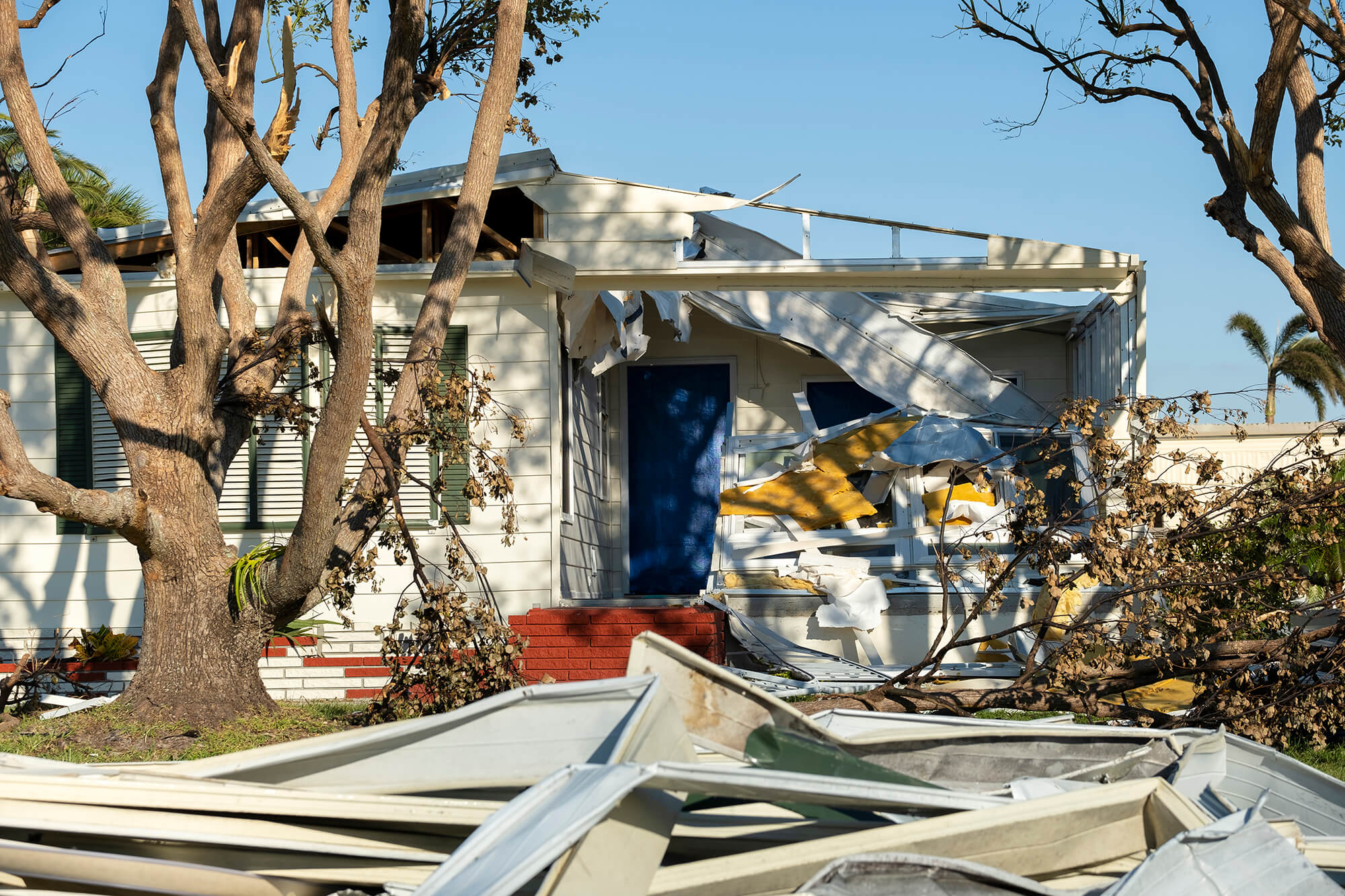
Understanding these options and how they apply to your situation is crucial. Always review your policy details with your insurance agent to ensure you have the right coverage and deductibles for your needs.
Comparing Flood Insurance Deductible Options
Choosing the right flood insurance deductible options can be a balancing act between saving on premiums and managing out-of-pocket costs. Let’s explore the differences between NFIP deductibles and those offered by private insurers, as well as the potential for premium discounts.
NFIP Deductibles
The National Flood Insurance Program (NFIP) provides standardized policies with a range of deductible choices. These typically range from $1,000 to $10,000. Opting for a higher deductible can reduce your premium by up to 40%, but be prepared to cover more expenses yourself if a flood occurs.
NFIP Deductible Highlights:
- Low Deductibles: Higher premiums, less financial burden during a claim.
- High Deductibles: Lower premiums, more out-of-pocket expenses if you file a claim.
Private Insurance Options
Private flood insurance policies might offer more flexibility than NFIP policies. You can often choose from a wider array of deductible amounts, sometimes with more competitive premium rates. Private insurers may also provide additional coverage features not available in standard NFIP policies.
Benefits of Private Insurance:
- Flexible Deductibles: Tailor your deductible to fit your financial situation.
- Potentially Lower Premiums: Some private policies offer better rates, especially if your property has a lower flood risk.
Premium Discounts
Both NFIP and private insurers may offer premium discounts based on your chosen deductible. The higher the deductible, the more you might save on your premium. However, weigh these savings against your ability to pay a higher amount out-of-pocket if a flood occurs.
Considerations for Premium Discounts:
- Evaluate Your Risk: Consider your property’s flood risk when choosing a deductible.
- Financial Planning: Ensure you have the financial means to cover the deductible you select.
Understanding and comparing these options with your insurance agent can lead to a policy that fits your budget and risk tolerance.
Factors Influencing Deductible Choices
When selecting flood insurance deductible options, several factors come into play. It’s not just about choosing a number; it’s about understanding how each choice impacts your financial situation and risk exposure.
Risk Assessment
The first step is assessing your property’s flood risk. Is your home in a high-risk flood zone, or is it less likely to flood? Understanding your risk level can help you decide whether a lower or higher deductible makes sense.
- High-Risk Areas: If you’re in a high-risk zone, opting for a lower deductible might be wise. This way, you won’t have to pay as much out-of-pocket if a flood hits.
- Low-Risk Areas: For those in areas with lower flood risk, a higher deductible could be a cost-effective choice, as it reduces your premium while still offering protection.
Property Location
Your property’s location significantly influences your deductible choice. Proximity to water bodies, elevation, and local flood history all matter. For example, living near a river or in a valley might increase your flood risk, affecting your deductible decision.
- Elevation Matters: Properties below the Base Flood Elevation (BFE) often face higher premiums and might benefit from a lower deductible to offset potential costs.
- Community Factors: Some communities participate in the Community Rating System, which could lower premiums. Check if your area is part of this program.
Financial Risk
Choosing a deductible isn’t just about risk; it’s also about your financial situation. You must be comfortable with the out-of-pocket costs you’ll face if you need to file a claim.
- Budget Considerations: Ensure you have savings or resources to cover your deductible if a flood occurs. A higher deductible means lower premiums but more financial responsibility in a claim.
- Long-Term Planning: Consider how a deductible fits into your overall financial strategy. Balancing premium savings with potential claim costs is key.
Evaluating these factors with your insurance agent can help tailor a policy that aligns with both your budget and your flood risk tolerance.
Tips for Choosing the Right Deductible
Selecting the right flood insurance deductible options is crucial in managing both your insurance costs and your financial risk. Here are some practical tips to help you make an informed decision:
Higher Deductible Benefits
Opting for a higher deductible can be financially beneficial, especially if you’re in a low-risk flood area.
-
Reduced Premiums: A higher deductible usually results in lower insurance premiums. This means you’ll pay less each month for your coverage.
-
Long-Term Savings: If you rarely file claims, the money saved on premiums can add up over time, potentially outweighing the higher out-of-pocket cost if a flood occurs.
Premium Savings
When considering deductible options, it’s important to balance immediate premium savings with potential future costs.
-
Compare Scenarios: Calculate the difference in premiums between a higher and lower deductible. Consider how often you anticipate filing a claim based on your flood risk assessment.
-
Discount Opportunities: Some insurance providers offer discounts for higher deductibles. Check with your insurer to see how much you could save.
Financial Planning
Choosing a deductible should align with your overall financial strategy.
-
Emergency Fund: Ensure you have an emergency fund that can cover the deductible if needed. This financial cushion is crucial for peace of mind.
-
Budget Review: Regularly review your budget to ensure you can handle the deductible cost without financial strain. Adjust your savings plan if necessary to accommodate this potential expense.
By carefully evaluating these aspects, you can choose a deductible that not only fits your budget but also aligns with your long-term financial goals. Consult with your insurance agent to tailor a policy that meets your needs while offering the best premium savings.
Frequently Asked Questions about Flood Insurance Deductible Options
What are the minimum and maximum deductible options?
When it comes to flood insurance deductible options, the National Flood Insurance Program (NFIP) sets specific guidelines. For building coverage under NFIP, the minimum deductible is $1,000 for coverage up to $100,000, and $1,250 for coverage exceeding that amount. The maximum deductible can go up to $10,000. Choosing a higher deductible can significantly reduce your premium, but it’s important to weigh this against the potential financial risk.
How does a deductible affect my flood insurance premium?
Your deductible plays a big role in determining your flood insurance premium. Simply put, the higher your deductible, the lower your premium. This is because you’re taking on more financial risk in the event of a claim. For instance, increasing your deductible to the maximum allowed could slash your annual premium by up to 40%. However, keep in mind that this means you’ll pay more out of pocket if you need to file a claim. Balancing premium reduction with financial risk is key.
Can I change my deductible after purchasing a policy?
Yes, you can adjust your deductible, but you’ll need to work with your insurance agent to make these changes. Policy adjustments are typically allowed at renewal, giving you the flexibility to reassess your deductible based on your current financial situation and risk assessment. It’s a good idea to review your Policy Declarations Page annually with your agent to ensure your deductible aligns with your needs and financial goals.
By understanding these aspects of flood insurance deductibles, you can make informed decisions that balance cost and coverage effectively. For personalized advice, reach out to Mitchell-Joseph Insurance Agency to explore options custom to your specific circumstances.
Conclusion
At Mitchell-Joseph Insurance Agency, we understand that navigating the complexities of flood insurance can be challenging. That’s why we are committed to providing personalized service and custom coverage options to meet your unique needs.
With over 200 years of combined experience, our team is well-equipped to guide you through the intricacies of flood insurance deductible options. We pride ourselves on offering competitive quotes from 24 different insurance companies, ensuring that you receive the best possible coverage custom to your circumstances.
Our approach is simple: we listen to your concerns, assess your risk, and help you choose a deductible that aligns with your financial goals. Whether you’re considering the NFIP guidelines or exploring private insurance options, we are here to provide the clarity and support you need.
Choosing the right flood insurance deductible is not just about cost—it’s about finding a balance that safeguards your future. For personalized advice and to explore your options, don’t hesitate to reach out to us at Mitchell-Joseph Insurance Agency.
For more detailed information on flood insurance, visit our Flood Insurance page. We’re here to help you weather any storm with confidence.

