

Understanding the flood insurance claim process is vital for homeowners and business owners looking to safeguard their properties against water damage. To steer this process, you must follow these essential steps:
- Notify your insurer immediately – Report the flood event to your insurance company as soon as possible.
- Document the damage thoroughly – Take photos and videos of all affected areas and create a detailed inventory of damaged items.
- Schedule an adjuster visit – A professional will assess the extent of damage to your property.
- Review the assessment report – Ensure the adjuster’s report accurately reflects the damage and submit any additional documentation if needed.
- Await approval and compensation – Once your claim is processed, you’ll receive the settlement to begin repairs.
Flood insurance is crucial, especially in regions prone to natural disasters or unexpected weather changes. Even in areas outside high-risk flood zones, floods can wreak havoc, causing significant damage to properties and assets.
From my experience as a co-owner at Mitchell-Joseph Insurance, understanding the flood insurance claim process empowers you to act promptly and efficiently. Our agency specializes in guiding clients through the intricacies of insurance claims, ensuring you’re equipped with the right knowledge and coverage to protect your valuable assets.

Understanding Flood Insurance
When it comes to protecting your home or business from flooding, understanding the nuances of flood insurance is key. Let’s break down the essentials: coverage details, policy types, and exclusions.
Coverage Details
Flood insurance provides two main types of coverage: Building Coverage and Contents Coverage.
Building Coverage includes protection for:
- Foundation walls, staircases, and anchorage systems
- Plumbing and electrical systems
- Major appliances like refrigerators and stoves
- Permanently installed items such as carpets and cabinets
Contents Coverage protects items like:
- Furniture, clothing, and personal belongings
- Valuable items, with some limits
- Portable air conditioners and window treatments
Homeowners insurance does not cover flood damage. You need a separate policy for that.
Policy Types
Flood insurance policies can be purchased through private insurers or through the National Flood Insurance Program (NFIP), administered by FEMA. The NFIP provides the bulk of residential flood coverage in the U.S., and it can be purchased through agencies like Mitchell-Joseph Insurance.
While flood insurance isn’t always mandatory, it is required if you live in a Special Flood Hazard Area and have a government-backed mortgage. Even if you’re in a low-risk area, it’s worth considering since 20% of flood claims come from these zones.
Exclusions
Not everything is covered under a flood insurance policy. Here are some common exclusions:
- Damage to personal property stored in basements
- Losses caused by moisture, mildew, or mold that could have been avoided
- Temporary housing and additional living expenses
- Financial losses due to business interruptions
- Property outside the insured building, like trees and pools
Flood insurance only covers losses directly caused by flooding. For example, if a sewer backup is a direct result of flooding, it’s covered. But if the backup is not related to a flood, it is not covered.
By understanding what flood insurance covers—and what it doesn’t—you can make informed decisions about your coverage needs. This knowledge helps you avoid surprises when you need to make a claim.
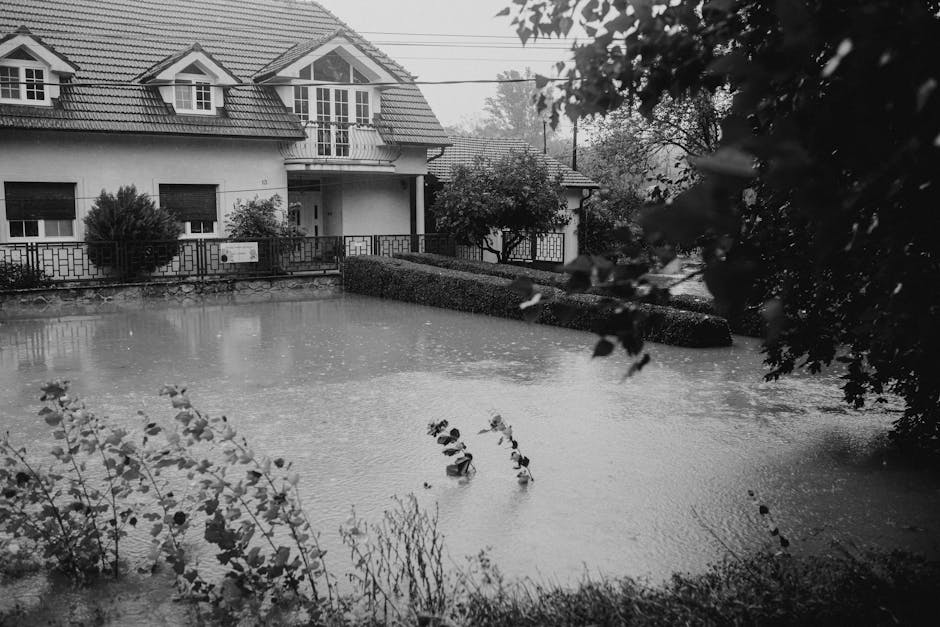
In the next section, we’ll explore the flood insurance claim process in more detail, guiding you through each step to ensure you’re prepared when disaster strikes.
The Flood Insurance Claim Process
Navigating the flood insurance claim process can feel overwhelming, especially after a disaster. But knowing what to expect can make it much easier. Here’s a simple, step-by-step guide to help you through it.
Filing a Claim
1. Contact Your Insurer
As soon as it’s safe, reach out to your insurance company. You can do this by phone or online. They’ll guide you on what to do next. Make sure to have your policy number handy.
2. Get a Claim Number
Your insurer will give you a claim number. This is your reference for all future communication. Keep it safe and use it whenever you contact your insurer about the claim.
3. Document Everything
Take photos and videos of the damage. Make a list of damaged items, including their value and purchase date. This documentation is crucial for your claim.
Assessing Damage
4. Inspection and Adjuster Visit
An insurance adjuster will visit your property to assess the damage. During the visit, they’ll inspect the affected areas and take notes. It’s a good idea to be present, so you can point out all damages.
5. Damage Report
After the inspection, the adjuster will create a damage report. This report details the extent of the damage and helps determine the compensation amount. Review it carefully and discuss any discrepancies with the adjuster.
Receiving Compensation
6. Claim Approval
Once the damage report is finalized, your insurer will review it. If everything is in order, they’ll approve your claim. This step might take some time, so be patient and stay in touch with your insurer.
7. Payout Process
After approval, you’ll receive compensation based on your policy’s terms. This could be a lump sum or multiple payments, depending on the damage and your coverage.
8. Timelines
The timeline for receiving compensation can vary. Factors like the severity of the flood, the number of claims in your area, and your policy details all play a role. Typically, the process can take anywhere from a few weeks to a few months.
By following these steps, you can ensure a smoother flood insurance claim process. Clear communication and thorough documentation are your best tools.
In the next section, we’ll share some tips to help you steer the claim process more effectively.
Tips for a Smooth Claim Process
Navigating the flood insurance claim process can be challenging, but with the right approach, you can make it smoother and less stressful. Here are some essential tips to help you through it:
Documentation Tips
-
Be Thorough with Photos and Videos
Immediately after the flood, document everything. Take clear photos and videos of all damages. Capture each room and every item affected. This visual evidence is crucial for your claim.
-
Create a Detailed Inventory
List every damaged item. Include details like the item’s name, purchase date, original cost, and estimated value. This helps provide a clear picture of your losses.
-
Keep All Receipts and Records
Save receipts for any repairs or replacements. Also, keep records of any communication with your insurer, including emails and letters. These documents support your claim and can help resolve disputes.
Communication
-
Stay in Regular Contact with Your Insurer
Maintain open lines of communication with your insurance company. Regular updates can keep your claim moving forward. Use your claim number in all communications to avoid confusion.
-
Ask Questions
Don’t hesitate to ask your insurer questions if you’re unsure about any part of the process. Understanding every step helps you make informed decisions.
-
Follow Up Promptly
If you haven’t heard back in a while, follow up with your insurer. Politely remind them of any pending actions or decisions. This ensures your claim remains a priority.
Follow-Up
-
Review All Reports Carefully
Once you receive the damage report from the adjuster, go through it carefully. Make sure it accurately reflects the damage. If you find any errors, report them immediately.
-
Understand the Compensation Details
When your claim is approved, understand how the compensation will be paid out. Clarify whether it will be a lump sum or multiple payments and when you can expect them.
-
Stay Organized
Keep all your documents, photos, videos, and communication in one place. This organization helps if you need to revisit any details or appeal a decision.
By following these tips, you can ensure a smoother flood insurance claim process. Good documentation, clear communication, and diligent follow-up are your best allies in navigating this journey.
Next, we’ll address some frequently asked questions about flood insurance claims to further simplify the process for you.
Frequently Asked Questions about Flood Insurance Claims
What is covered under flood insurance?
Flood insurance provides coverage for both buildings and contents. Building coverage includes the foundation, electrical systems, furnaces, and major appliances like refrigerators and stoves. It also covers permanently installed items like cabinets and paneling.
Contents coverage protects personal belongings such as furniture, clothing, and electrical equipment. However, items in the basement are typically not covered. Valuable items like furs and artwork have coverage limits, so it’s crucial to understand your policy’s specifics.
How long does the claim process take?
The timeline for the flood insurance claim process can vary. Generally, the process involves several steps, including filing the claim, damage assessment, and receiving compensation.
- Initial filing and inspection: This can take a few days to a couple of weeks. An adjuster will visit your property to assess the damage.
- Damage report and claim approval: Once the inspection is complete, the adjuster will create a damage report. Approval can take anywhere from a few days to several weeks, depending on the complexity of the claim.
- Receiving compensation: After approval, compensation is usually processed within a couple of weeks. However, the timeline may extend if additional documentation is needed.
Factors such as the severity of the flood, the number of claims filed in your area, and the thoroughness of your documentation can affect the duration.
What if my claim is denied?
If your claim is denied, don’t panic. You have options to appeal the decision.
-
Review the denial letter: Understand the reasons for the denial. This will guide your next steps.
-
Gather additional evidence: Collect any missing documentation or clarify any misunderstandings. Additional photos, receipts, and expert opinions can strengthen your case.
-
Contact your insurer: Discuss the denial with your insurance company. Sometimes, a simple clarification can resolve the issue.
-
File an appeal: If necessary, submit a formal appeal. Include all relevant documentation and a detailed explanation of why the denial should be reconsidered.
-
Seek professional advice: If you’re unsure about how to proceed, consider consulting a public adjuster or attorney specializing in insurance claims.
By understanding your policy’s specifics and being proactive, you can steer the flood insurance claim process more effectively, even if initial setbacks occur.
Conclusion
Navigating the flood insurance claim process can feel overwhelming, but it doesn’t have to be. At Mitchell-Joseph Insurance Agency, we are committed to providing personalized service and custom coverage to meet your unique needs. Our team, with over 200 years of combined experience, is dedicated to guiding you through every step of the way.
Whether you’re dealing with a recent flood or just planning ahead, we ensure that you have the right coverage to protect your home and belongings. Our independent, family-owned business offers competitive quotes from 24 different insurance companies, ensuring you get the best possible coverage at the best possible price.
Choosing the right insurance is crucial, and our experts are here to help you understand your policy and options. We believe in clear communication and are always available to answer your questions or concerns. Don’t wait until disaster strikes—reach out to us today to review your flood insurance needs.
For more information on flood insurance and to see how we can assist you, visit our Flood Insurance page. Let us help you protect what matters most.

