Why Professional Service Providers Need Protection
Errors omissions coverage protects businesses from lawsuits claiming professional mistakes, negligence, or failure to deliver promised services. Also known as professional liability insurance, this coverage pays for legal defense costs, settlements, and judgments when clients sue over alleged errors in your work.
Key Facts About Errors and Omissions Coverage:
- Average Cost: Small businesses pay around $735 annually for E&O coverage
- Coverage: Legal fees, court costs, settlements, and judgments up to policy limits
- Who Needs It: Any business providing professional advice or services for a fee
- Common Claims: Inaccurate advice, missed deadlines, failure to deliver services, misrepresentation
- What It Excludes: Intentional wrongdoing, criminal acts, bodily injury, property damage
Consider this real scenario: An IT consulting company advised a furniture manufacturer on new software upgrades. When the software caused machinery malfunctions and lost orders, the client sued for $50,000 in damages. Without E&O coverage, the consulting firm would have faced devastating out-of-pocket legal costs and potential business closure.
The stakes are high for service-based businesses. One in twelve agencies report an E&O claim incident, and defense costs alone can bankrupt a small business – even when claims are groundless.
As Jeffrey Joseph from Mitchell-Joseph Insurance Agency, I’ve helped countless professionals in the Finger Lakes region understand their errors omissions coverage needs since 1999. My experience protecting businesses across Naples, Honeoye Falls, and Rushville has shown me how essential proper E&O coverage is for safeguarding your professional reputation and financial stability.

A Deep Dive into Errors and Omissions Coverage
Who Needs E&O and What Does It Cover?
Here’s the simple truth: if your business provides professional services or advice for a fee, you need errors omissions coverage. It’s that straightforward. When clients rely on your expertise, they can hold you financially responsible if your professional actions (or lack of action) cause them harm.

Think about it this way: doctors need malpractice insurance, lawyers need professional liability coverage, and accountants need protection too. But the need goes far beyond these traditional professions. In today’s service economy, nearly every business provides some form of specialized expertise.
Accountants and bookkeepers face claims for tax calculation errors or missed filing deadlines. IT consultants get sued when their advice leads to system failures or data breaches. Real estate agents deal with lawsuits over property disclosures or contract mistakes. Marketing agencies face claims for copyright infringement or campaigns that don’t deliver promised results.
The list goes on: architects dealing with design flaws, financial advisors giving unsuitable investment advice, insurance agents failing to secure proper coverage, and software developers whose coding errors cause business disruptions. Even forensic scientists and recruiters need protection from professional liability claims.
What exactly does errors omissions coverage protect you from? The policy steps in when clients claim you made professional mistakes that cost them money. This includes negligence (not meeting professional standards), errors in your work, omissions (failing to do something important), misrepresentation of facts, breach of contract, inaccurate advice, and even loss of important documents.
When these claims arise, your E&O policy covers the big expenses that can sink a business. Legal defense costs often represent the largest expense – even baseless lawsuits require expensive legal representation. The policy also covers settlements reached out of court and judgments if a case goes to trial.
At Mitchell-Joseph Insurance Agency, we’ve seen how quickly legal costs can spiral. That’s why we always tell our clients across the Finger Lakes region that this coverage isn’t just about protecting your bank account – it’s about safeguarding the reputation you’ve worked years to build.
Key Exclusions and Policy Distinctions
Every superhero has a weakness, and every insurance policy has its limits. Understanding what errors omissions coverage doesn’t cover helps you identify other protection your business might need.
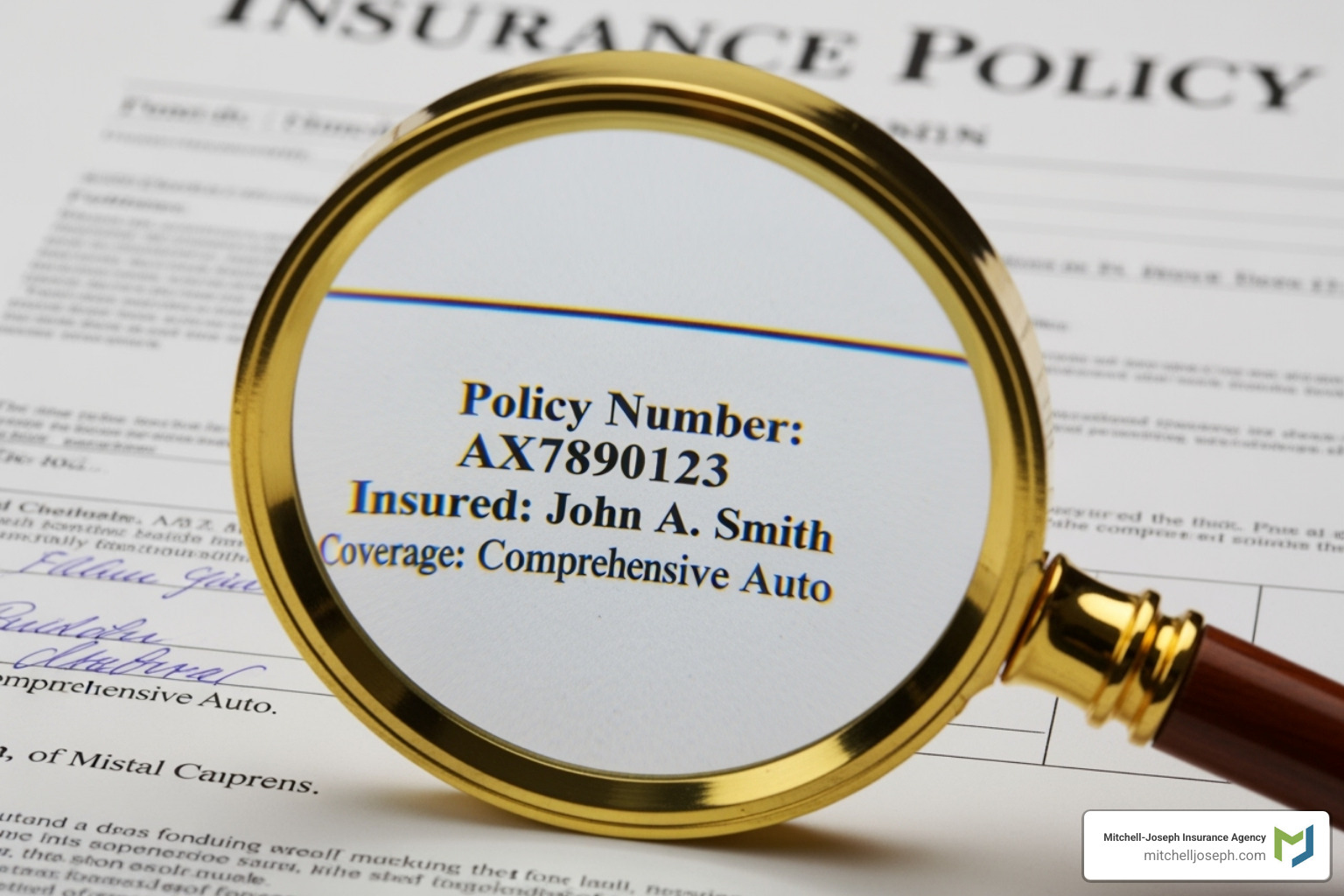
E&O policies don’t cover intentional wrongdoing or criminal acts. This makes sense – insurance protects against honest mistakes, not deliberate fraud or illegal behavior. Bodily injury and property damage are also excluded unless they directly result from your professional services. If a client slips and falls in your office, that’s a general liability claim, not an E&O issue.
The policy also won’t cover employment-related claims like wrongful termination or discrimination. These fall under Employment Practices Liability Insurance. Worker injuries belong under Workers’ Compensation, and guarantees or warranties about specific outcomes aren’t covered either.
Here’s where many business owners get confused: the difference between errors omissions coverage and General Liability insurance. They’re completely different types of protection that work together.
| Coverage Type | What It Protects | Example Claims |
|---|---|---|
| Errors & Omissions | Financial losses from professional mistakes | Accountant’s error causes tax penalties; consultant’s bad advice costs client money |
| General Liability | Bodily injury and property damage from business operations | Customer falls in your office; employee damages client’s equipment |
Think of it this way: General Liability covers the physical “oops” moments, while E&O covers the professional “oops” moments. Most businesses need both to stay fully protected.
How E&O Insurance Policies Work
Understanding how errors omissions coverage actually functions can save you from nasty surprises down the road. Most E&O policies work on a “claims-made” basis, which is different from other types of insurance you might know.
With a claims-made policy, coverage applies when someone makes a claim against you during your active policy period. Both the mistake and the claim must happen while you’re insured. This is where the retroactive date becomes crucial – it determines how far back in time your policy will cover professional errors.
Continuous coverage is absolutely essential with claims-made policies. Any gap in coverage could leave you exposed to claims, even for work you did while insured. That’s why we always work with our clients in Honeoye Falls, Pittsford, and surrounding areas to ensure seamless policy renewals.
Tail coverage (also called Extended Reporting Period) protects you after your policy ends. If you retire, sell your business, or switch insurers, tail coverage lets you report future claims for work done while your original policy was active. Without it, you could face personal liability for claims made after your policy expires.
Some E&O policies are written on an occurrence basis, covering incidents that happen during the policy period regardless of when claims are filed. These policies offer more long-term certainty but typically cost more. You can learn more about the nuances between claims-made and occurrence policies from trusted financial resources.
Every E&O policy has policy limits – the maximum your insurer will pay. These come as a per-claim limit and an aggregate (total) limit for the policy period. Deductibles represent your out-of-pocket cost before coverage kicks in.
Pay attention to whether legal expenses count against your policy limits or are covered separately. “Defense outside the limit” is better because legal costs won’t reduce money available for settlements.
Understanding the Cost of Errors and Omissions Coverage
“How much will this cost me?” It’s usually the first question we hear about errors omissions coverage, and honestly, it’s a fair concern for any business owner watching their budget.
The national average for small business E&O coverage runs around $735 annually, though we’ve seen data ranging from $710 to $767 depending on the source. But your actual cost depends on several key factors that make each business unique.
Industry risk plays the biggest role in pricing. An engineer designing commercial buildings faces much higher potential damages than a wedding planner, so their premiums reflect that difference. Business size and revenue matter too – larger companies with higher revenues typically face greater liability exposure.
Your location affects costs due to local legal environments and claim histories. Here in New York, we understand the regional factors that influence pricing for our clients across Honeoye, Lima, and Mendon. Claims history is another major factor – businesses with past E&O claims pay more as they’re seen as higher risk.
The coverage limits and deductibles you choose directly impact your premium. Higher limits and lower deductibles cost more, but they provide better protection. Years in business can work in your favor – established companies with proven track records often get better rates than new ventures.
Strong risk management practices can sometimes earn you discounts. Insurers appreciate businesses that document procedures thoroughly, train staff regularly, and take steps to prevent claims.
At Mitchell-Joseph Insurance Agency, we work with 24 different insurance companies to find competitive rates that fit your specific needs and budget. The goal isn’t just finding the cheapest policy – it’s finding the right protection at a fair price.
The Risks of Operating Without Errors and Omissions Coverage
Running a professional service business without errors omissions coverage is like walking a tightrope without a safety net. The potential consequences can destroy everything you’ve worked to build.
Legal defense costs alone can bankrupt a small business. Even if you’re completely innocent, defending a lawsuit costs thousands or tens of thousands of dollars. Attorney fees, court costs, expert witnesses, and document preparation add up fast. Without insurance, every penny comes out of your pocket.
Reputational damage from lawsuits can be devastating, even when you win. Clients lose confidence, prospects become wary, and negative publicity follows you for years. It’s the kind of damage that’s nearly impossible to undo.
Many client contracts now require professional service providers to carry E&O insurance. Without coverage, you might be locked out of lucrative opportunities with larger organizations. It’s become a basic business requirement in many industries.
Personal assets can be at risk, especially for sole proprietors and partnerships. Your home, savings, and other personal property could be seized to satisfy judgments against your business. Potential bankruptcy becomes a real threat when legal costs and settlements pile up.
We’ve seen too many talented professionals forced to close their doors because they thought they could skip this protection. The investment in errors omissions coverage isn’t just an expense – it’s insurance for your livelihood and peace of mind.
That’s why we emphasize to all our clients that this coverage is essential for long-term business stability. It lets you focus on serving your clients excellently, knowing you’re protected if something goes wrong.
Choosing the Right E&O Policy for Your Business
How to Select Your E&O Policy
Finding the perfect errors omissions coverage for your business feels a bit like finding the right pair of shoes – what fits your neighbor perfectly might leave you with blisters! At Mitchell-Joseph Insurance Agency, we’ve learned that every business has unique needs, whether you’re a tech consultant in Rochester or an architect in Canandaigua.
With over 200 years of combined experience serving clients across Honeoye Falls, Pittsford, Naples, Rushville, Avon, Bloomfield, Bristol, Canadice, Cohocton, Fishers, Gorham, Honeoye, Ionia, Lima, Mendon, Middlesex, Potter, Rush, South Bristol, Stanley, Victor, Wayland, and West Bloomfield, we’ve developed a tried-and-true approach to help you make the right choice.
Start by honestly assessing your risk profile. Think about the services you provide and ask yourself some tough questions. Are you giving financial advice that could impact someone’s retirement savings, or are you designing websites? Both are valuable services, but the potential financial impact of an error varies dramatically.
Consider who your clients are too. Working with large corporations or clients whose financial well-being depends heavily on your advice naturally increases your exposure. We often tell our clients to imagine their worst nightmare scenario – what’s the maximum financial damage a mistake could realistically cause your biggest client? This exercise, while uncomfortable, helps determine appropriate coverage limits.
Don’t forget about your contractual obligations either. Many client contracts now specify minimum E&O coverage requirements, especially when working with larger organizations.
Determining appropriate coverage limits is where many business owners get overwhelmed, but it doesn’t have to be complicated. A common starting point for many small businesses is $1 million per claim and $1 million aggregate. However, some high-risk professions or large contracts might require $2 million, $5 million, or even more.
Here’s something crucial to remember: always aim for policies where defense costs are outside the limit. This means legal defense costs won’t eat into your available coverage for settlements or judgments – a detail that can make a huge difference when you’re facing a claim.
Understanding your deductible is straightforward but important. Choose an amount you can comfortably pay out-of-pocket for each claim. Yes, a higher deductible means a lower premium, but make sure it’s realistic for your cash flow situation.
Reviewing policy terms and exclusions carefully is where we see many business owners make costly mistakes. Don’t just look at the price tag! The fine print matters enormously. Pay special attention to what scenarios are covered and – perhaps more importantly – what’s explicitly excluded.
For claims-made policies, the retroactive date needs to align with your professional history to avoid coverage gaps. Also, ask about tail coverage options if you think you might need to cease operations or change insurers down the road.
If you handle sensitive data, check for any unique endorsements or riders that might benefit your specific industry, such as cyber liability aspects.
This is where consulting an expert becomes invaluable. As an independent, family-owned business, we work for you, not an insurance company. We take the time to understand your unique business and its risks, then provide competitive quotes from our network of 24 insurance companies.
We’ll help you compare policies apples-to-apples, translating the complex jargon and ensuring there are no hidden surprises. Our personalized approach means you get the right coverage at the right price, whether you’re just starting out or you’ve been in business for decades.
Choosing the right errors omissions coverage ultimately means protecting both your professional reputation and your financial future. We’re here to make that process clear, simple, and custom to your specific needs.