What’s Covered When Water Strikes?
Does tenant insurance cover water damage? Yes, tenant insurance typically covers water damage to your personal belongings from sudden and accidental events like burst pipes, appliance malfunctions, and overflowing toilets. However, it excludes gradual damage, floods, and negligence-related incidents.
Key Coverage Areas:
- Personal Property – Your furniture, electronics, and belongings damaged by covered water events
- Liability Protection – Coverage if you accidentally cause water damage to your neighbor’s unit
- Additional Living Expenses – Temporary housing costs if your rental becomes uninhabitable
What’s NOT Covered:
- Natural floods or storm surge
- Gradual leaks from poor maintenance
- Sewer backups (unless you have an endorsement)
- Damage from tenant negligence
Understanding your water damage coverage is crucial since water damage is one of the most commonly covered types of damages by renters insurance, yet many tenants don’t realize the important distinctions between what’s covered and what’s not.
Your landlord’s insurance only protects the building structure – not your personal belongings or liability if you cause damage to others. That’s where your tenant insurance becomes essential protection for your financial security.
I’m Jeffrey Joseph of Mitchell-Joseph Insurance Agency. Since 1999, I’ve helped Finger Lakes residents with their insurance. My experience with tenant claims shows how vital it is for renters to know exactly when their policy covers water damage.

Related content about does tenant insurance cover water damage:
Does Tenant Insurance Cover Water Damage? A Breakdown of Your Policy
The short answer to “does tenant insurance cover water damage?” is yes, but with important conditions. Your policy is designed for sudden, accidental events, not slow, gradual problems. Let’s explore when your coverage springs into action and when it might leave you unprotected.
Covered Scenarios: When Your Policy Kicks In
Your tenant insurance shines during unexpected “oh no!” moments. Sudden and accidental water damage is typically covered, meaning your policy helps when water unexpectedly damages your belongings.
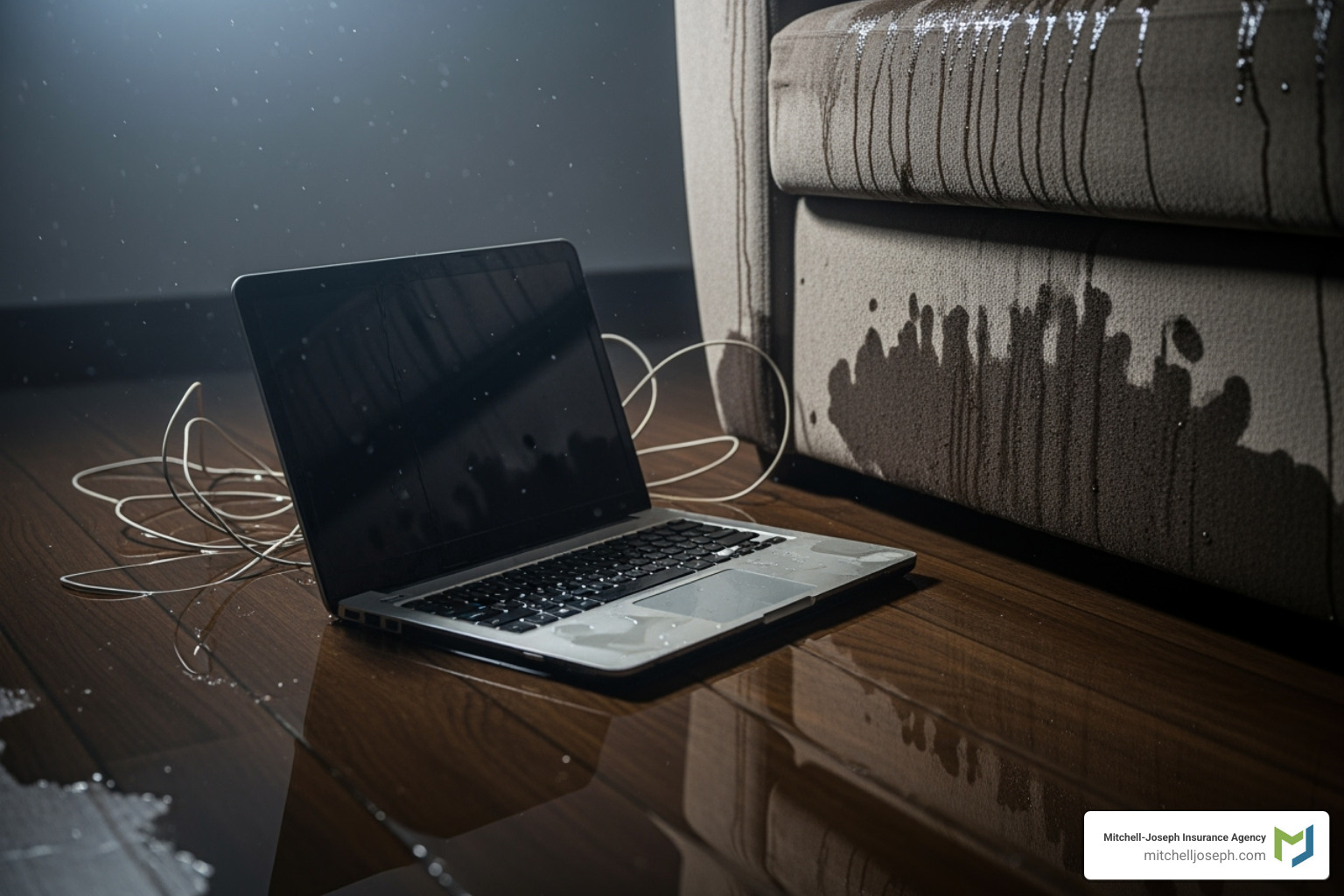
Burst pipes are a common culprit we see at Mitchell-Joseph Insurance Agency. Imagine a pipe bursting on a frigid morning in Honeoye Falls, flooding your living room. Your tenant insurance would cover your soggy couch and waterlogged electronics. This protection extends to pipes in your heating, plumbing, and sprinkler systems.
When your appliances malfunction, your policy typically steps up. If a washing machine hose bursts or a dishwasher leaks and damages your personal belongings, you’re generally protected.
Overflowing toilets and bathtubs are also covered. If you’re distracted and a tub overflows, damaging your property, your tenant insurance usually comes to the rescue.
Your policy also covers accidental discharge from plumbing systems and damage from ice dams. In our snowy Finger Lakes region, ice dams can force water back into your apartment. When this damages your belongings, your policy typically provides coverage.
One crucial point to remember: your tenant insurance covers your personal belongings, not the apartment structure itself. So while your policy will replace that water-damaged laptop and furniture, fixing the actual walls, floors, and built-in fixtures is your landlord’s responsibility.
If you’re renting in Rochester or the surrounding communities and want to ensure your belongings are protected, check out our Renters Insurance Rochester NY coverage options.
Common Exclusions: What Your Standard Policy Won’t Cover
While tenant insurance is great for sudden emergencies, it’s important to understand the exclusions to avoid unpleasant surprises when you need coverage most.
Gradual damage and slow leaks are major reasons for denied claims. Insurance is for unexpected events, not problems that develop over time. A persistent drip under your sink that causes damage over several months likely won’t be covered by your policy.
Negligence goes hand-in-hand with gradual damage. If you leave a faucet running or fail to report a worsening leak, your claim could be denied because the loss was preventable.
Natural floods represent perhaps the most significant gap in standard tenant insurance. Heavy rainfall, overflowing rivers, storm surges, or flash floods aren’t covered by your regular policy. If you live in a flood-prone area, you’ll need separate flood insurance. What the Insurance Information Institute says about water damage emphasizes this important distinction.
Sewer backups are typically not covered unless you add a specific endorsement to your policy. Without it, the messy and expensive aftermath is your financial burden. We have detailed information about Sewer Backup coverage if you need this protection.
Maintenance issues are generally excluded too. Problems from poor building maintenance (your landlord’s responsibility) or your own failure to maintain your living space won’t be covered. Think clogged gutters that lead to water intrusion or similar preventable issues.
Mold damage gets tricky. If mold develops from gradual leaks or poor ventilation, it’s typically not covered. However, if mold grows directly from a sudden, covered water damage event like a burst pipe, your policy might help with remediation and replacement of your damaged belongings.
Understanding Liability and Additional Living Expenses
Your tenant insurance does more than just protect your stuff – it also includes personal liability coverage and additional living expenses that become incredibly valuable during water damage incidents.
Personal liability coverage acts as your financial shield when you accidentally cause damage to others. If your overflowing bathtub seeps into the apartment below, damaging your neighbor’s ceiling and belongings, this coverage steps in. Without it, you could face thousands of dollars in repair costs and potential legal fees if your neighbor decides to sue.
The same protection applies if your accidental actions cause water damage to your landlord’s property. Maybe a pipe bursts because you accidentally hit it while moving furniture – your liability coverage could help with the landlord’s repair costs.
Additional Living Expenses (ALE) coverage becomes a lifesaver when water damage makes your apartment uninhabitable. Picture a major leak that soaks your floors, knocks out electricity, and requires weeks of repairs. Where do you stay? How do you eat without a kitchen?
ALE coverage helps pay for temporary housing like hotel stays or short-term rentals while your unit is being repaired. It also covers increased costs like restaurant meals since you can’t cook at home, plus other necessities like laundry services or pet boarding that arise from being displaced.
This coverage maintains your normal standard of living as much as possible during repairs, preventing additional financial stress on top of the displacement itself. For more details about this and other coverage aspects, check out our Renters Insurance FAQs.
How does tenant insurance cover water damage from gradual vs. accidental leaks?
The distinction between gradual and accidental water damage is absolutely crucial when determining whether does tenant insurance cover water damage in your specific situation. This difference often determines whether your claim gets approved or denied.
Accidental and sudden water damage happens unexpectedly and quickly – think burst pipes, overflowing toilets, or appliance hose ruptures. These events are typically obvious and immediate, often unavoidable despite reasonable care on your part. Your standard tenant insurance generally covers this type of damage to your personal property and provides liability protection.
Gradual water damage develops slowly over time, usually from wear and tear or neglect. Examples include slow drips from leaky faucets, continuous condensation, or unnoticed pipe corrosion. This damage may stay hidden for long periods inside walls or under floors, and it’s often preventable if noticed and addressed promptly.
| Damage Type | Coverage Status | Examples |
|---|---|---|
| Sudden & Accidental | ✅ Generally Covered | Burst pipes, appliance malfunctions, toilet overflows |
| Gradual | ❌ Generally Excluded | Slow leaks, continuous seepage, wear and tear |
Policy language makes this distinction clear. Covered events fall under “accidental discharge or overflow of water,” while exclusions specifically mention “damage due to continuous or repeated seepage or leakage.”
Here’s the key point about responsibility: while your landlord handles structural maintenance, you have a duty to report problems promptly. If you notice a small leak but don’t tell your landlord, allowing it to worsen and cause significant damage, your insurance company might deny your claim due to negligence.
The takeaway? Stay vigilant. Regularly check for signs of water damage and act quickly when you spot problems. This simple habit can mean the difference between a covered claim and an expensive out-of-pocket expense.
Taking Action: From Prevention to Filing a claim
Water damage has a way of catching us off guard, but your response in those first crucial minutes can make all the difference between a manageable claim and a financial disaster. Let me walk you through exactly what to do when you find water where it shouldn’t be, and how to strengthen your coverage before problems arise.
What to Do When You Find Water Damage
That sinking feeling when you spot water pooling on your floor or dripping from the ceiling is something I’ve heard described countless times by clients over my years in insurance. The key is channeling that initial panic into productive action.
What should a tenant do if they suspect water damage or a leak in their rental unit?
Your first move should be stopping the source if you can do so safely. This might mean turning off the water valve under a sink, shutting off the main water supply to your unit, or unplugging a malfunctioning appliance. Don’t attempt anything that puts you at risk of electrocution or injury – your safety comes first, always.
Next, notify your landlord immediately. I can’t stress this enough – this isn’t just good tenant etiquette, it’s often required by your lease and crucial for your insurance claim. Whether it’s 2 AM or a holiday weekend, most landlords would rather know about a water emergency right away than find major structural damage later. Document when and how you contacted them.
Now comes the detective work: documenting everything thoroughly. Your smartphone becomes your most valuable tool here. Take photos and videos of the water source, the extent of the flooding, and every single damaged item. Capture wide shots showing the overall scene and close-ups of specific damage. The insurance adjuster won’t be there in the moment, so these photos tell your story.

Create a detailed inventory of damaged items while everything is fresh in your memory. Include descriptions, approximate age, and original cost if you can remember it. That laptop you bought two years ago, the vintage dresser from your grandmother, your collection of books – document it all. And here’s something many people don’t realize: don’t throw anything away yet. Unless it’s absolutely necessary for safety or to prevent further damage, keep damaged items until your insurance company has assessed them.
Protecting your remaining belongings is equally important. Move undamaged items to safety and relocate wet but potentially salvageable items to a dry area. Quick action here can prevent mold growth, which creates a whole different set of problems.
You might need to make some temporary repairs to prevent additional damage – placing buckets under leaks, covering broken windows letting in rain, or using tarps to protect belongings. Keep receipts for any materials you purchase; these expenses are often reimbursable under your policy.
Finally, contact your insurance company once the immediate crisis is under control. At Mitchell-Joseph Insurance Agency, we guide our clients through this process step by step, explaining what information we need and what happens next. Having all that documentation ready makes this conversation much smoother.
The difference between a successful claim and a denied one often comes down to how well you handle these first few hours after finding the damage.
How can I get improved coverage for water damage with my tenant insurance?
While standard tenant insurance covers many water damage scenarios, the exclusions we discussed earlier can leave significant gaps in your protection. The good news? You can often fill these gaps with specific add-ons that don’t break the bank.
Are there specific add-ons or endorsements tenants can get for improved water damage coverage?
The Water Backup and Sump Pump Overflow Endorsement is probably the most valuable add-on you’ve never heard of. Since standard policies exclude sewer backups and sump pump failures, this endorsement specifically covers damage to your personal property when water backs up through sewers, drains, or overflows from sump pumps.
This coverage is especially crucial if you live in a basement apartment or an area that experiences heavy rainfall. I’ve seen too many renters face thousands in damages from sewer backups that their standard policy wouldn’t touch. The endorsement is relatively inexpensive but can save you from devastating out-of-pocket costs. You can learn more about how this differs from other coverage types at Water Backup Insurance vs. Flood Insurance.
Flood insurance is an entirely different animal – it’s a separate policy, not an add-on to your tenant insurance. This distinction confuses many people, but it’s critical to understand. Standard tenant insurance excludes natural flood damage, period. Does tenant insurance cover water damage from natural flooding? No, you need separate flood insurance for that.
Whether you live in an official flood zone or not, flash floods can happen anywhere. I’ve worked with clients in areas that “never flood” until they do. Flood insurance through the National Flood Insurance Program covers damage to your personal belongings caused by official flood events. Given that floods are among the most financially devastating natural disasters, this coverage can literally save your financial future. We can help you determine if you need it and walk you through obtaining it – find out more at Can Renters Get Flood Insurance?.
Reviewing your policy shouldn’t be a once-and-done activity. Your coverage needs change as your life changes. Maybe you’ve acquired more valuable electronics, moved to a different area, or your building’s plumbing has seen better days.
At Mitchell-Joseph Insurance Agency, we believe in building relationships, not just selling policies. With over 200 years of combined experience and access to 24 insurance companies, we can help you understand exactly what your current policy covers and identify any gaps that might leave you vulnerable.
Whether you’re in Rochester, Canandaigua, Victor, or any of the surrounding Finger Lakes communities we serve, we’re here to ensure you’re fully protected. Don’t wait for water damage to test your coverage – let’s make sure you have the right protection in place before you need it.