Your Guide to Pop-Up Camper Insurance
Do you have to insure a pop up camper? The short answer is that it’s not legally required in most states, but it’s highly recommended. Here’s what you need to know:
Quick Answer:
- Legal requirement: No, most states don’t require pop-up camper insurance
- Lender requirement: Yes, if you financed your camper
- Auto insurance coverage: Limited – only liability while towing
- Home insurance coverage: Minimal – personal property only
- Recommended: Yes, dedicated RV insurance protects your investment
Pop-up campers offer the perfect balance of outdoor trip and comfort. You can explore the Finger Lakes region or venture across state lines with your home-away-from-home in tow. But what happens when your weekend getaway turns into a costly nightmare because of an accident, theft, or weather damage?
Your existing auto and home insurance policies might seem like they cover everything, but they often leave dangerous gaps when it comes to your pop-up camper. While liability coverage from your car insurance extends to your trailer while towing, it disappears the moment you unhitch at the campsite.
The research shows that the average trailer in Ontario will put you out between $10,000 and $300,000 – that’s a significant investment to leave unprotected. Meanwhile, pop-up camper insurance can cost between $75 to $350 per year – a small price for peace of mind.
I’m Jeffrey Joseph, and I’ve been helping families in the Finger Lakes region protect their recreational vehicles since 1999 at Mitchell-Joseph Insurance Agency. Over the years, I’ve seen too many camper owners find the hard way that standard policies don’t answer the question “do you have to insure a pop up camper” with adequate protection. Let me guide you through your options so you can make an informed decision.

Is Insurance Mandatory for a Pop-Up Camper?
When we talk about whether do you have to insure a pop up camper, the answer depends on state laws and whether you have a loan.
State Laws & Lender Requirements
In most states, including New York, pop-up campers are non-motorized, so a separate insurance policy isn’t legally required. However, all 50 states require you to register your camper to tow it on public roads. Insurers will ask for proof of registration before issuing a policy. For more details, you can check out this guide on Does a Pop-Up Camper Need to be Registered? Clearing Up the Confusion.
While the law may not require it, your lender will. If you financed your pop-up camper, your loan agreement contractually obligates you to carry full coverage, including collision and comprehensive protection. This protects the lender’s financial stake in your camper until the loan is paid off.
Towing vs. Parked: The Critical Distinction
One of the biggest misconceptions is that your auto insurance fully covers your pop-up. It’s crucial to understand the limitations:
- While Towing: Your auto policy’s liability coverage typically extends to the camper when it’s hitched to your vehicle. This covers damage your camper causes to others in an accident. However, this protection does not cover physical damage to your camper itself.
- While Parked: The moment you unhitch, your auto insurance coverage for the camper essentially vanishes. This leaves your pop-up vulnerable to theft, vandalism, weather damage, or a slip-and-fall accident at your campsite.
Auto and Home Insurance Gaps
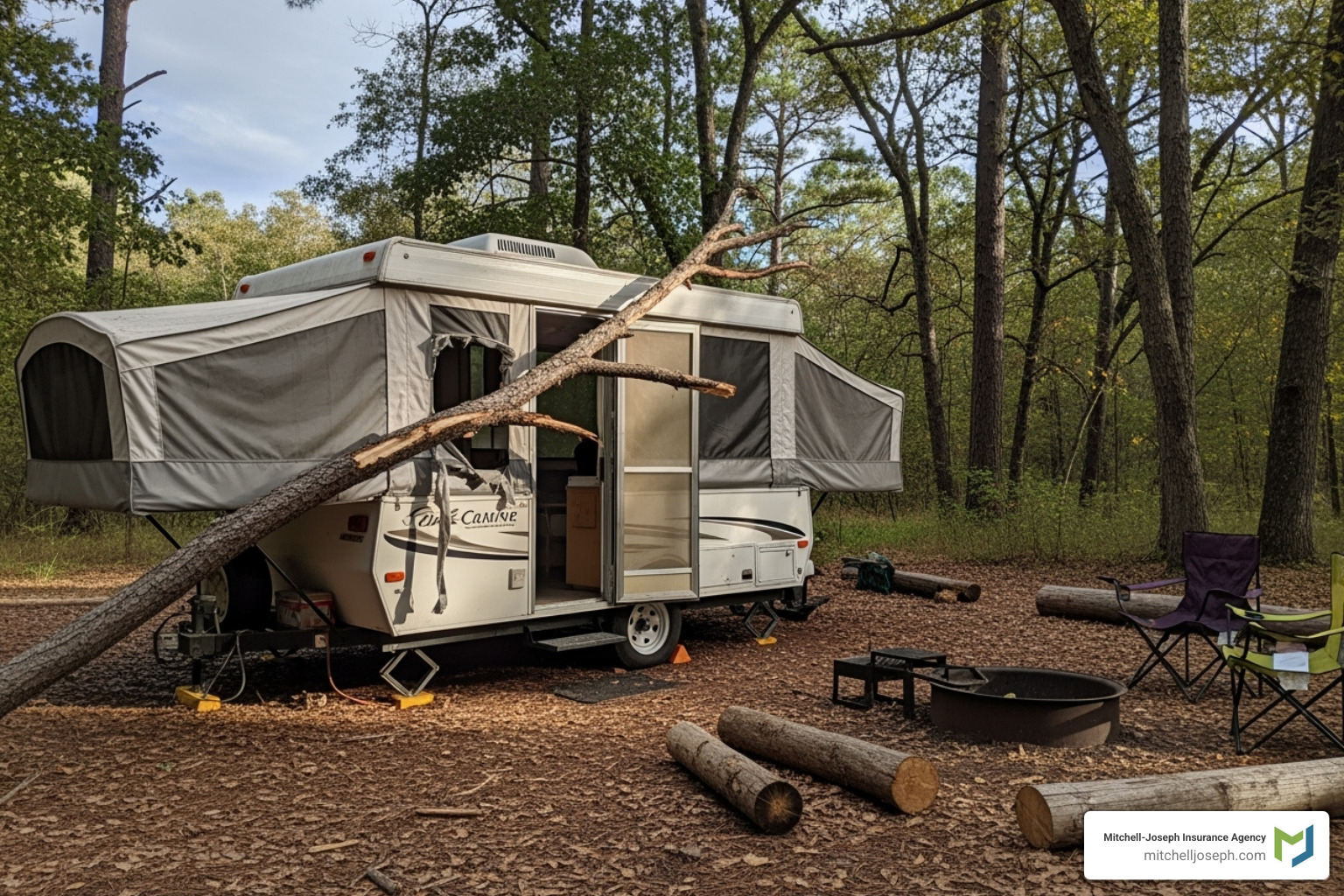
Relying on existing policies creates a false sense of security. Your auto policy’s collision and comprehensive coverage almost never extends to a towed trailer, meaning you’d pay out-of-pocket for repairs after an accident or if a tree falls on it.
Your homeowner’s policy isn’t much better. It may offer very limited coverage for personal belongings inside the camper, but it’s subject to low limits and high deductibles. Crucially, it provides no coverage for the camper’s structure and no liability protection for accidents that happen at a campground away from your home.
These policies simply aren’t designed for the unique risks of a recreational vehicle. For more comprehensive insights into our general insurance offerings, please visit our page on More info about general Insurance Coverage.
How Existing Policies Can Leave You Uncovered
Let’s dig a little deeper into why your car and homeowner’s insurance aren’t sufficient for your pop-up camper. We’ve seen how these gaps can turn a fun family trip into a financial headache.
Liability While Towing: The Only Real Bridge
As we touched on, your auto insurance policy’s liability coverage is the primary bridge to your pop-up camper. This protects you if your camper causes an accident while hitched and in motion. It’s about what your camper does to others, not what happens to your camper.
No Physical Damage Coverage: The Big Blind Spot
This is where your wallet is at risk. If you scrape your pop-up against a tree or a piece of road debris damages it, your auto insurance will not pay for the repairs to your camper. Because it’s not the insured vehicle, you’re left footing the bill, which can be a significant out-of-pocket expense.
Detached Camper Risks: When It’s Most Vulnerable
The vulnerability of your pop-up skyrockets the moment it’s unhitched. Think about it:
- Theft & Vandalism: A pop-up can be an easy target for thieves. Without dedicated coverage, a stolen camper is a complete financial loss.
- Weather Damage: A sudden hailstorm, windstorm, or flash flood can cause thousands in damage. These common risks often strike when your camper is stationary and unprotected by auto insurance.
Personal Property & Liability Gaps
Your homeowner’s policy offers little help. It has low limits for property kept “away from the premises,” so stolen camping gear might only be partially covered. More importantly, if a guest is injured at your campsite, your homeowner’s liability likely won’t apply, leaving you personally responsible for medical and legal fees.
Even if some coverage did apply from existing policies, high deductibles can make filing a small claim impractical. Understanding these limitations is the first step toward making an informed decision. We encourage you to learn more about our specialized offerings on our Recreational Vehicle Insurance page.
Do You Have to Insure a Pop Up Camper? Understanding Your Options
So, if existing policies leave you with significant gaps, what’s the solution? The answer to do you have to insure a pop up camper with a dedicated policy becomes a resounding “yes” if you want true peace of mind and financial protection. Let’s explore what specialized pop-up camper insurance actually covers and what factors influence its cost.
What Does Pop-Up Camper Insurance Actually Cover?
When you invest in a dedicated pop-up camper insurance policy, you’re securing comprehensive protection custom to the unique risks of your portable home-away-from-home. This type of specialty insurance is designed specifically for recreational vehicles, filling all those pesky gaps we discussed earlier.
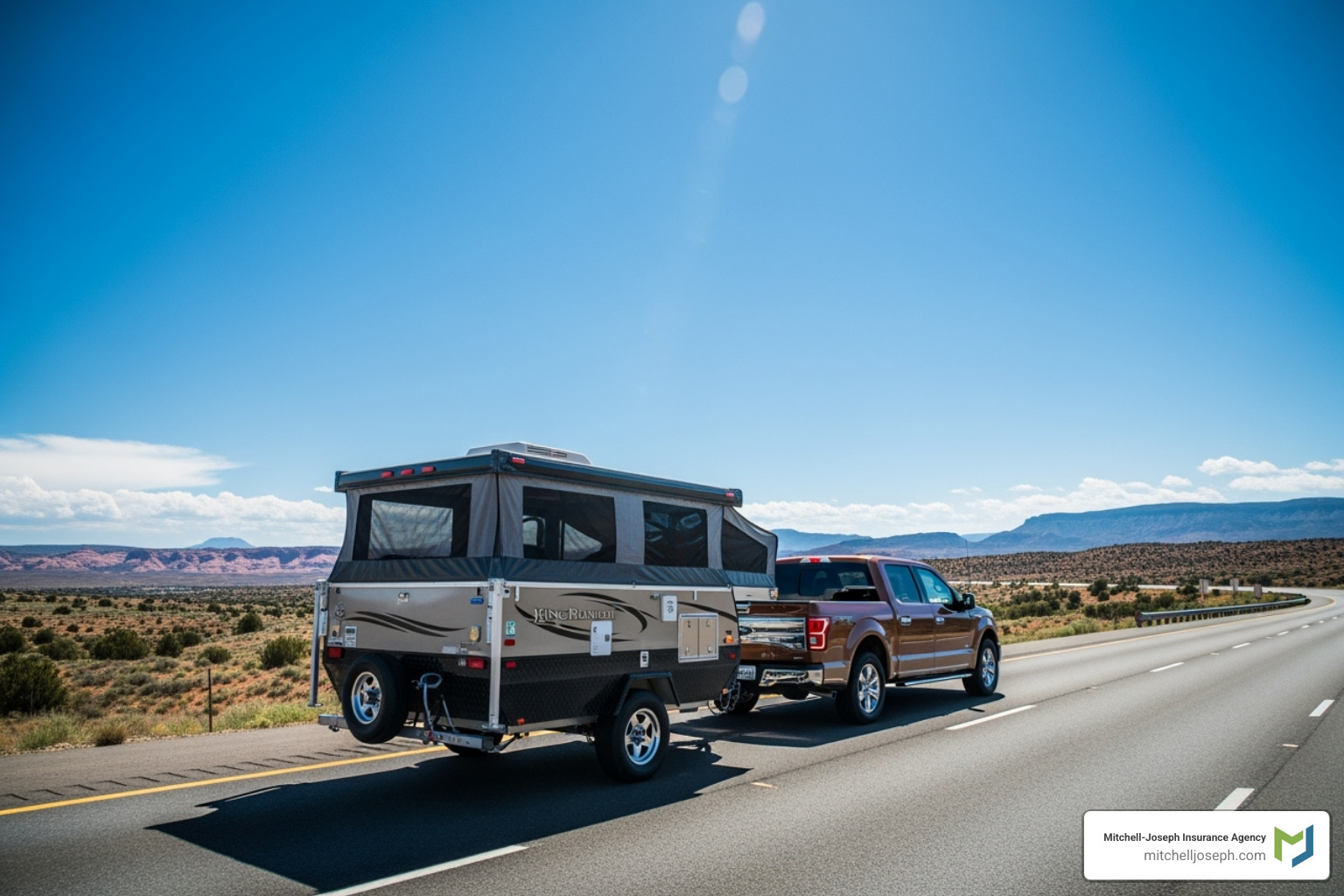
Collision coverage pays for repairs or replacement if your pop-up is damaged in an accident, regardless of who’s at fault. It covers collisions with other vehicles or objects and is the exact protection your auto policy typically lacks for the camper itself.
Comprehensive coverage is your shield against non-collision events. This includes theft, vandalism, fire, falling objects, animal collisions, and weather events like hail or wind. While many policies include flood damage, it’s always wise to check your specific policy details.
Vacation liability coverage is crucial protection your homeowner’s policy likely won’t provide away from home. It protects you if someone is injured in or around your parked camper, or if you cause damage to another person’s property at the campsite, covering potential medical and legal fees.
Personal effects coverage reimburses you for personal belongings lost, stolen, or damaged inside your camper, such as camping gear, electronics, and clothing. This is often an optional add-on but highly recommended if you travel with valuable items.
Roadside assistance can be a lifesaver. Many RV policies offer this option, which can include towing, tire changes, and emergency fuel delivery when you’re broken down in a remote area.
Emergency expense allowance helps cover temporary lodging and transportation costs if your camper becomes uninhabitable during a trip while it’s being repaired. This ensures your vacation isn’t completely ruined by an unexpected incident.
Whether you’re navigating scenic routes around Honeoye Falls or enjoying a quiet evening at your campsite, your investment stays protected. For a personalized quote and to explore these options further, visit our Pop-Up Camper Insurance: Get a Quote page.
What Factors Influence the Cost of Pop-Up Camper Insurance?
Understanding what influences your insurance cost helps you make informed decisions. While the average cost typically falls between $75 to $350 per year, several factors can affect your premium.
- Camper Value, Age, and Condition: The more expensive your camper, the more it costs to insure. Newer campers may have higher premiums due to replacement cost, while the condition of an older camper also plays a role.
- Driving Record: A clean driving history with no accidents or violations typically qualifies you for lower rates.
- Storage Location: Storing your camper in a secure, enclosed facility can result in lower premiums than parking it uncovered in a high-risk area.
- Usage Frequency: Occasional weekend use may lead to lower rates than if you use it more frequently. Specialized “full-timer” coverage may be needed if you use it more than 150 nights a year.
- Coverage Limits and Deductible: Higher coverage limits increase your premium, while a higher deductible (what you pay out-of-pocket) will lower it. We can help you find the right balance.
- Credit Score: In many states, a higher credit score can lead to more competitive rates.
- Bundling Discounts: Combining your camper insurance with your auto, home, or other policies is one of the best ways to save. At Mitchell-Joseph Insurance Agency, we work with 24 different insurance companies to find you competitive quotes and bundling opportunities.
Understanding these factors is key to getting cost-effective coverage. For more detailed information, explore our More info about RV Insurance Coverage Options page.
Securing Peace of Mind for Your Trips
The decision to insure your pop-up camper goes beyond legal mandates or lender requirements. It’s about protecting your investment, your finances, and your peace of mind so you can truly enjoy those memorable camping trips without lingering worries.
Do you have to insure a pop up camper to protect your investment?
While the legal answer to do you have to insure a pop up camper is often “no” for non-financed units, our expert opinion, backed by years of experience, is a resounding “yes” if you value your investment and your financial well-being. Let me share why this protection is so crucial.
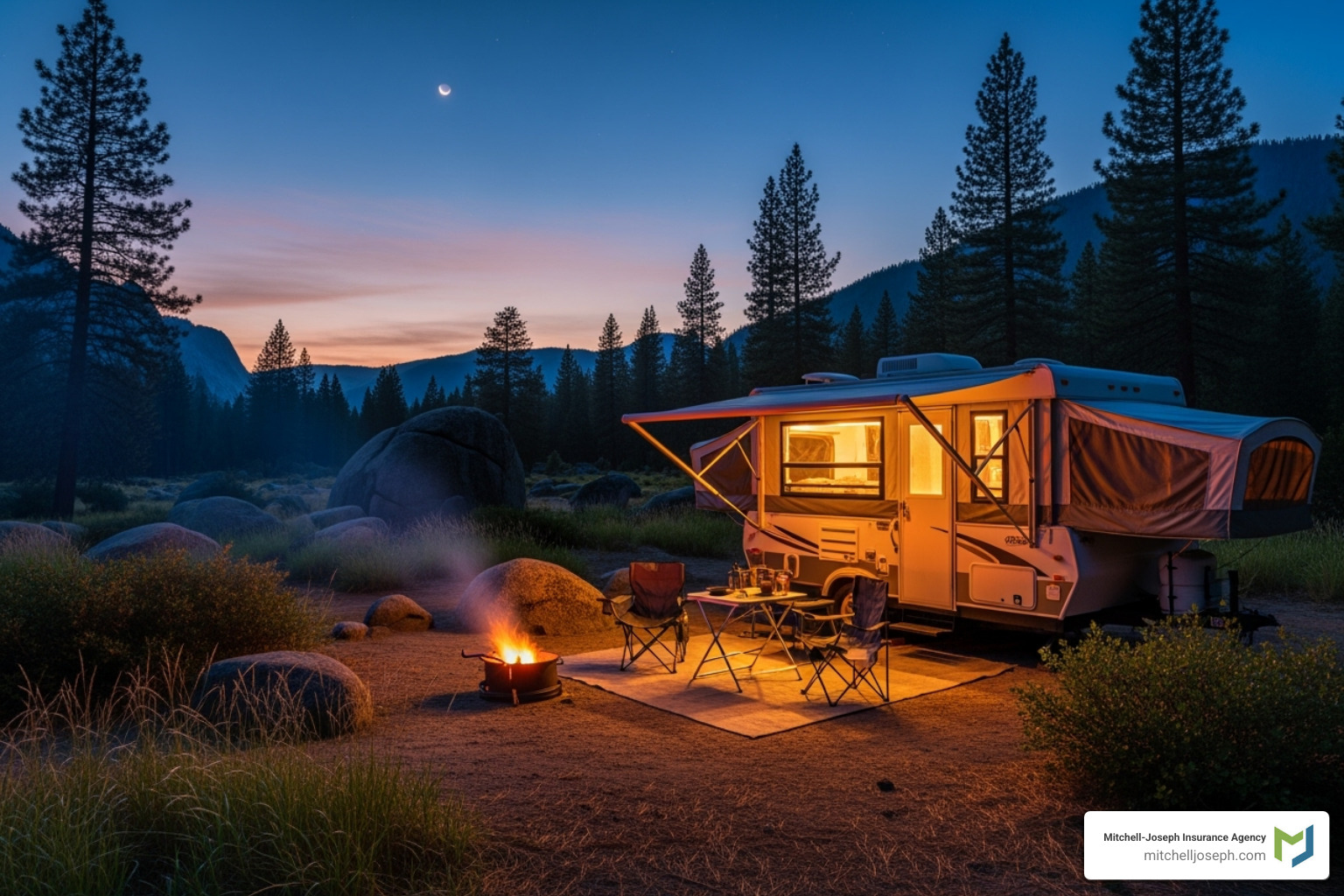
Risks of No Insurance: The Costly Reality
Going without dedicated insurance for your pop-up camper is a significant financial gamble. One misstep, and you could face thousands of dollars in unexpected expenses.
- Financial Loss: Your camper is a substantial investment. Without coverage, you’re on the hook for every penny of repairs from an accident, or for the total loss if it’s stolen or destroyed by weather.
- Liability Claims: This is an even scarier scenario. If a guest is injured at your campsite, you could face medical and legal bills that climb into the tens of thousands. Your homeowner’s policy likely won’t help, leaving your personal assets vulnerable.
- Theft, Vandalism, and Weather: Campers are attractive targets for theft and are constantly exposed to the elements. A sudden windstorm, hailstorm, or act of vandalism can cause major damage that comes straight out of your pocket.
Peace of Mind: The Priceless Benefit
After helping families protect their recreational vehicles for over two decades, I’ve learned the real value of insurance isn’t just financial—it’s peace of mind. When you know your investment is protected, you can truly relax and enjoy your camping trips.
Instead of worrying about “what if” scenarios, you can focus on making memories with your family. You can explore that remote campground without anxiety and sleep soundly knowing that if something goes wrong, you’re covered. For an annual premium that might cost less than a weekend camping trip, this peace of mind is invaluable.
At Mitchell-Joseph Insurance Agency, our family-owned agency understands that your pop-up camper represents more than just money—it’s your ticket to trip and family bonding. With over 200 years of combined experience and relationships with 24 insurance companies, we can find coverage that fits both your needs and your budget. We take the time to understand your specific situation and answer all your questions.
Don’t let an uninsured loss turn your camping dreams into a financial nightmare. The small annual cost of dedicated pop-up camper insurance is a wise investment in your financial security.
To learn more about protecting your Fun Recreational Vehicles and to get started on your personalized quote, please visit our dedicated page: Get a personalized quote for Insurance for a Pop-Up Camper. We’re here to help you enjoy every moment of your camping trips, worry-free.