When Flooding Threatens Your Financial Security
Do I need flood insurance? Here’s what you need to know:
You likely need flood insurance if:
- Your mortgage lender requires it (properties in high-risk flood zones)
- You want protection beyond standard homeowners insurance (which excludes flood damage)
- You live near water bodies, in low-lying areas, or areas with poor drainage
- You’ve received federal disaster assistance in the past
Key facts to consider:
- Just one inch of floodwater can cause over $25,000 in damage
- 40% of flood insurance claims come from outside high-risk flood zones
- Standard homeowners insurance does not cover flood damage
- Federal disaster assistance averages only $3,000 vs. flood insurance claims averaging $66,000
Floods are the most common and costly natural disaster in the United States, affecting 99% of counties since 1996. Yet most homeowners don’t realize their standard insurance policies leave them completely exposed to flood damage. Even a few inches of water can destroy your home’s foundation, electrical systems, and personal belongings.
The financial risk is real and growing. Climate change is increasing the frequency and intensity of flooding events, making areas that never flooded before suddenly vulnerable. Without flood insurance, you’re gambling with your home’s equity and your family’s financial future.
I’m Jeffrey Joseph from Mitchell-Joseph Insurance Agency, and I’ve helped Finger Lakes homeowners with their flood insurance options since 1999. I’ve seen how the question “do I need flood insurance” becomes critical when unexpected flooding strikes unprepared homeowners.
The Core Question: Do I Need Flood Insurance?
Here’s the straightforward answer: if you own property, you should seriously consider flood insurance. While the National Flood Insurance Program (NFIP), managed by the Federal Emergency Management Agency (FEMA), creates detailed flood zone maps to assess risk levels, I’ve learned something important after decades of helping families in the Finger Lakes region: water doesn’t always follow the lines on a map.

Many of our neighbors in Honeoye Falls, Pittsford, and Naples have learned this the hard way. When flooding strikes, it doesn’t check your FEMA flood zone designation first.
For some homeowners, the question “do I need flood insurance” is answered by their mortgage lender as a loan condition. For others, it’s a personal decision about protecting their family’s financial security and gaining peace of mind.
Here’s what makes this decision so important: the average flood insurance claim exceeds $50,000. That’s a financial hit that would devastate most families if they had to pay out of pocket. Even just a few inches of water can cause tens of thousands of dollars in damage to your home’s foundation, electrical systems, and personal belongings.
Why Standard Home Insurance Isn’t Enough
This might be the most important thing I’ll tell you: your standard homeowners insurance policy absolutely does not cover flood damage. I know this seems confusing, especially since your policy probably covers other types of water damage. Let me clear this up for you.
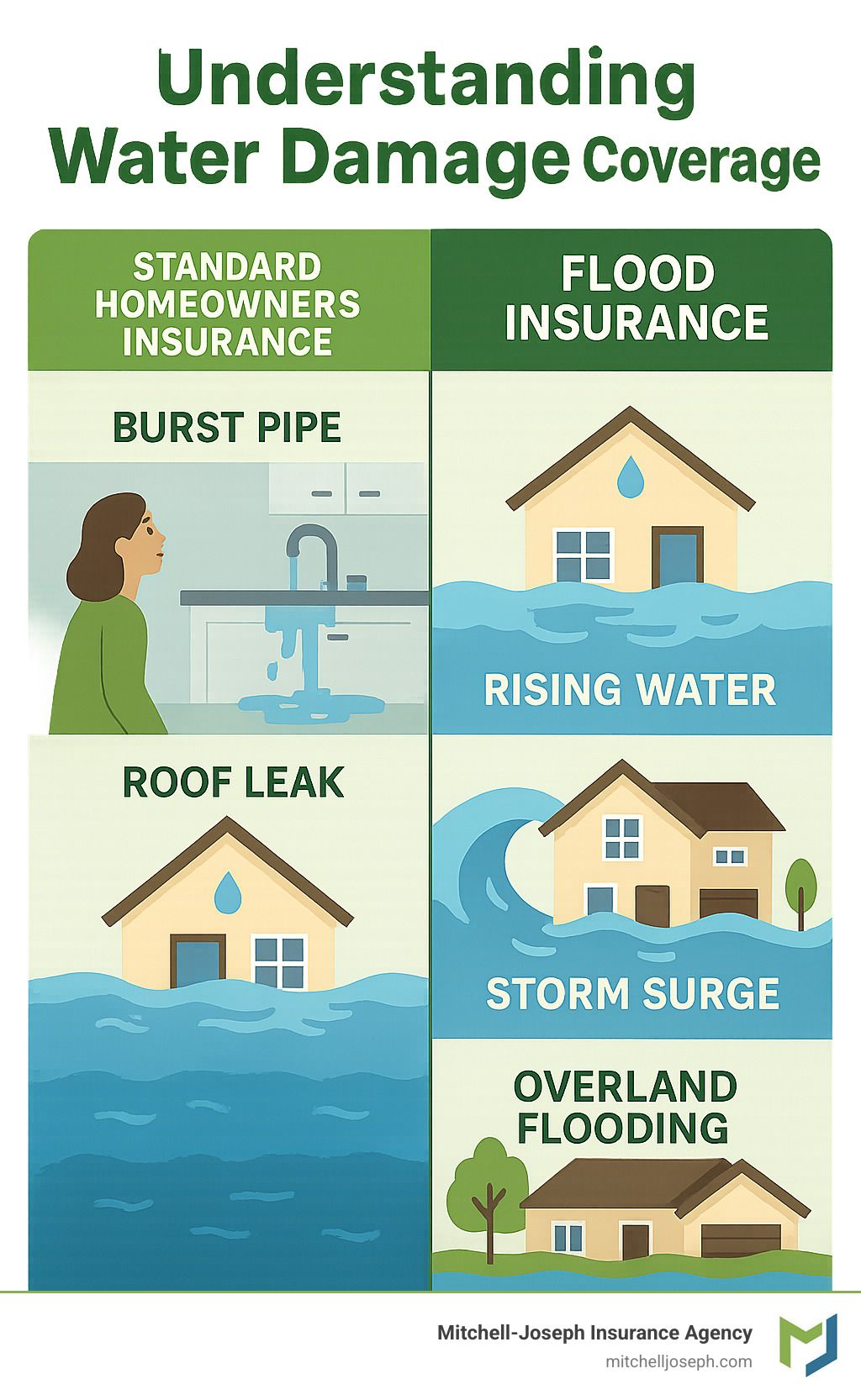
Your homeowners insurance covers what we call “sudden and accidental” water damage from internal sources. Think of a burst pipe in your basement, a washing machine that overflows, or rain pouring through your roof after a tree falls on it. These are covered because they’re sudden, unexpected events happening inside your home or falling from above.
Flood insurance covers something completely different: rising water from external sources. This includes overland flooding when rivers, lakes, or heavy rainfall cause water to flow onto normally dry land. It covers storm surges that push water ashore during storms, and mudslides caused by flooding.
There’s one area that gets tricky: sewer backup. Some homeowners policies offer optional coverage for water that backs up through sewers or drains, but this is different from flood coverage. We’ve explained these differences in detail in our guide on Water Backup Insurance vs. Flood Insurance.
The key thing to remember is that flood damage means excess water on land that’s normally dry, affecting two or more acres or two or more properties. This requires a separate flood insurance policy that your standard homeowners insurance simply won’t provide.
How to Assess if I Need Flood Insurance for My Property
Here’s a dangerous myth I hear all the time: “Floods only happen in high-risk flood zones.” This simply isn’t true, and believing it could cost you everything.
Yes, properties in Special Flood Hazard Areas (SFHAs) have higher statistical risk – at least a 1% chance of flooding each year. But here’s the eye-opening reality: over 40% of flood insurance claims come from outside high-risk flood zones. That means even if you’re in a low-to-moderate risk area, you’re definitely not safe.
When I help families in Avon, Bloomfield, or Canandaigua assess their flood risk, we look at much more than just FEMA flood maps. While these maps are helpful – and you can check your property’s risk on the FEMA website map – they don’t tell the complete story.
Climate change is dramatically increasing our flood risk. We’ve seen more frequent and intense rainfall events right here in our region. Areas that never flooded before are now dealing with significant water problems from sudden downpours that overwhelm drainage systems. Since 1996, flooding has impacted 99% of U.S. counties.
Your property’s location matters in ways you might not expect. Even if you’re not directly on a major river, being near smaller streams, lakes (like Honeoye Lake), or low-lying areas increases your risk. Poor neighborhood drainage, melting snow, or new construction can all create unexpected flooding situations.
Local topography tells an important story. Is your home at the bottom of a hill? Does your neighborhood have drainage problems? These local conditions can make all the difference when heavy rains hit.
After serving communities from Rushville to Rochester for decades, I’ve developed deep knowledge about local flood patterns that federal maps sometimes miss. If you’re unsure about your property’s risk, especially in areas seeing increased rainfall or development, it’s always better to err on the side of caution.
When Is Flood Insurance Mandatory?
While I recommend flood insurance for nearly everyone, there are specific situations where it becomes legally required. Understanding these requirements is crucial, especially if you’re buying a home or refinancing.
Your mortgage lender will require flood insurance if you’re in a high-risk flood zone. This applies to federally backed mortgages (FHA, VA, USDA loans) or loans from federally regulated lenders. The Flood Disaster Protection Act created this requirement to protect the lender’s investment, since your home serves as loan collateral.
If you don’t get the required coverage, your lender will purchase “lender-placed insurance” for you. Trust me, you don’t want this – it’s usually more expensive and provides less coverage than a policy you choose yourself.
There’s another mandatory situation many people don’t know about. If you’ve previously received federal disaster assistance for flood damage and live in a high-risk area, you must maintain flood insurance to remain eligible for future federal aid. This prevents taxpayers from repeatedly funding repairs for uninsured properties.
For complete details on these requirements, visit Who’s Required To Have Flood Insurance?. Even if you’re not legally required to have coverage, consider this: the average FEMA disaster grant is only about $5,000, while average flood insurance claims exceed $50,000. Flood insurance pays claims regardless of whether there’s a Presidential Disaster Declaration.
What a Flood Policy Actually Covers
Flood insurance is very specific about what it covers, unlike your homeowners policy that protects against multiple perils. When I help clients in Rush, Victor, or West Bloomfield secure flood coverage, I make sure they understand exactly what’s included and what’s not.
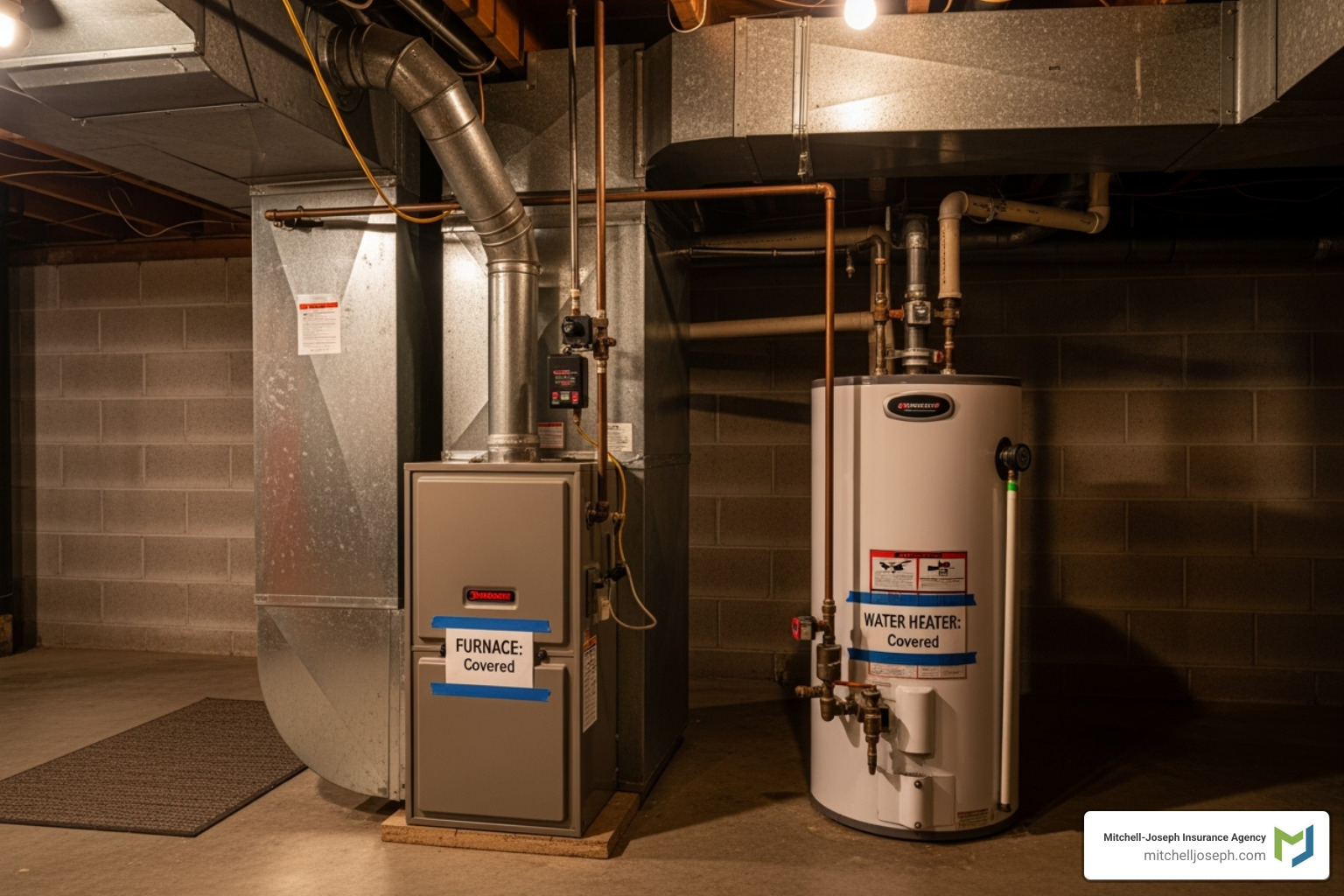
Building coverage protects your home’s structure up to $250,000 under the NFIP. This includes your foundation, electrical and plumbing systems, heating and air conditioning equipment, and water heaters. It covers built-in appliances like dishwashers, permanently installed carpeting over unfinished floors, and built-in cabinets and paneling. You’re also covered for detached garages (up to 10% of your building coverage) and debris removal.
Contents coverage is optional and protects your personal belongings up to $100,000. This covers clothing, furniture, electronics, curtains, and portable appliances. It includes washers, dryers, food freezers and their contents, and certain valuable items like artwork up to $2,500.
Here’s what flood insurance typically doesn’t cover: damage from moisture, mildew, or mold that you could have prevented, currency or valuable papers, property outside your building like decks, pools, landscaping, and septic systems. It won’t pay for temporary living expenses while your home is being repaired, business interruption, or most vehicles (your auto insurance handles flood damage to cars if you have comprehensive coverage).
Understanding these coverage limits helps you make informed decisions about protection levels. For more comprehensive details, check out our page on Flood Insurance Coverage Limits. We can help you determine the right coverage amounts to protect everything you’ve worked so hard to build.
Taking Action: Securing and Managing Your Flood Protection
You’ve done the research and determined that flood insurance makes sense for your situation. Now comes the practical part: actually getting the coverage in place. Having helped thousands of families across the Finger Lakes region steer this process, I can tell you it’s more straightforward than most people expect – but there are some important details you need to know.

How to Purchase a Policy and What It Costs
Getting flood insurance is easier than you might think. Most policies come through the National Flood Insurance Program (NFIP), which is run by FEMA but sold through regular insurance agents like us. This means you can often add flood coverage right alongside your existing home or auto insurance – no need to hunt down a specialist or deal with multiple companies.
There’s also a growing market for private flood insurance that sometimes offers higher coverage limits or different terms than NFIP policies. At Mitchell-Joseph Insurance Agency, we work with 24 different insurance companies, so we can explore all your options and find what works best for your specific situation.
Here’s the catch you absolutely need to know: there’s typically a 30-day waiting period before your new flood policy kicks in. You can’t wait until you see storm clouds gathering to buy coverage. The only exceptions are when you need flood insurance for a new mortgage closing or when flood maps get updated and suddenly require coverage.
What determines your cost? Several factors come into play when calculating your premium. Your flood zone designation is the biggest factor – properties in high-risk areas generally cost more to insure than those in moderate-to-low risk zones. But even in safer areas, you can often get a Preferred Risk Policy for around $325 per year.
If you’re in a high-risk zone, an elevation certificate can make a huge difference in your premium. This document shows how high your lowest floor sits compared to the expected flood level. The higher your home, the lower your rate – sometimes dramatically so.
Your home’s construction type and age also matter. Newer homes built to modern flood-resistant standards often qualify for better rates. Of course, the coverage amount you choose and your deductible will affect your premium too, just like with any other insurance.
One thing many people don’t know about is the Community Rating System. If your town participates in this program by going above and beyond basic flood management requirements, you might get a discount on your premium. It’s worth asking about when you get your quote.
Most people pay somewhere between nothing and $2,000 annually for flood insurance. When you consider that just one inch of water can cause $25,000 in damage, that seems like a pretty reasonable investment in peace of mind. If you want to explore your options, you can Find a Flood Insurance Provider or give us a call for a personalized quote.
Final Considerations: Do I Need Flood Insurance as a Renter or Landlord?
The question “do I need flood insurance” doesn’t just apply to homeowners. If you rent your home or own rental property, you have some unique considerations that are often overlooked.
If you’re a renter, here’s something that might surprise you: your landlord’s flood insurance (if they even have it) won’t cover a single item you own. Their policy protects the building structure, but your furniture, electronics, clothes, and everything else you’ve worked hard to buy? That’s on you to protect.
Your regular renter’s insurance excludes flood damage just like homeowners insurance does. The good news is that contents-only flood insurance for renters is often very affordable. I’ve seen too many tenants in our Finger Lakes communities lose everything because they assumed they were covered. Don’t let that be you.
If you’re a landlord, protecting your investment property requires the same thinking as protecting your own home. Your regular landlord insurance policy excludes flood damage, leaving you vulnerable to potentially devastating losses. You’ll need flood insurance to cover the building structure itself.
If you provide furnished rentals, you might also need contents coverage for the furniture and appliances you supply. The details can get tricky, so we’ve put together a comprehensive guide on Flood Insurance for Landlords that covers all the specifics.
Beyond insurance, there are practical steps you can take to reduce your flood risk and potentially lower your premiums. Elevating your utilities like furnaces and water heaters can prevent expensive damage and might qualify you for better rates. Installing flood vents in your foundation allows water to flow through rather than building up pressure against your walls.
Proper grading around your property directs water away from your foundation, and keeping storm drains clear helps prevent neighborhood flooding. These might seem like small things, but they can make a real difference when heavy rains hit our area.
At Mitchell-Joseph Insurance Agency, we’ve been helping families in Mendon, Middlesex, Potter, and throughout the Finger Lakes region understand their flood risks for decades. We’re not just here to sell you a policy – we want to make sure you truly understand what you’re buying and that it fits your specific needs.
Our independent, family-owned approach means we work for you, not the insurance companies. With over 200 years of combined experience and relationships with 24 different insurers, we can find competitive rates and coverage that actually makes sense for your situation.
Don’t wait until the next heavy rainstorm to wonder if you’re protected. Get a personalized Flood Insurance Coverage quote today and protect the life you’ve built here in upstate New York.