

Why Your Law Practice Can’t Afford to Skip Cyber Protection
Cyber insurance for law firms has become as essential as malpractice coverage in today’s digital world. Here’s what you need to know:
- Average cyber claim cost: $113,000 for legal organizations
- Most common attack vector: 53% of cyber attacks originate from email
- Ransomware impact: Average loss of $183,000 for legal businesses
- Business survival: 60% of small businesses close within 6 months of a cyber attack
- Coverage types: First-party (your costs) and third-party (liability to others)
- Policy options: Add-on to malpractice insurance or standalone coverage
Law firms face unique cyber risks because they handle the most sensitive data imaginable – client confidentiality, financial records, and privileged communications. According to the American Bar Association, 27% of law firms have experienced a security breach. Meanwhile, cybercriminals specifically target legal practices because of their valuable data and often weak security measures.
Your ethical duty as a lawyer includes technological competence. That means understanding cyber risks and protecting client information. A single phishing email or ransomware attack can destroy decades of reputation building and potentially end your practice.
I’m Jeffrey Joseph from Mitchell-Joseph Insurance Agency, and I’ve been helping law firms in the Finger Lakes region steer cyber insurance for law firms since 1999. Through two decades of experience, I’ve seen how proper coverage can mean the difference between a manageable incident and a career-ending disaster.
Basic Cyber insurance for law firms glossary:
– Cyber insurance claims examples
– Cyber insurance coverage limits
– Cyber insurance underwriting process
Why This Guide Matters
The ABA’s 2022 Legal Technology Survey revealed that 27% of law firms have experienced a security breach. With an average cyber claim costing $113,000 for legal organizations, most small and mid-sized firms simply can’t absorb these costs. Even more alarming is that 60% of small businesses fold within six months of a cyber attack.
We’ve witnessed this in our Rochester and Finger Lakes communities. Firms that seemed financially stable one day were suddenly facing bankruptcy after a ransomware attack or data breach. The ones that survived? They had proper cyber insurance coverage in place.
The Rising Cyber Threat Landscape for Law Practices
Phishing attacks have become sophisticated at fooling even tech-savvy lawyers. Thanks to artificial intelligence, cybercriminals can now craft emails that look like they came from your opposing counsel, the court clerk, or even your own clients. These aren’t obviously fake emails – we’re talking about messages that reference real case numbers, actual court dates, and specific client details.
Ransomware literally holds your entire practice hostage by encrypting every file on your system. The average ransomware loss for legal businesses hits $183,000, but I’ve seen demands reach well into the millions for larger firms with high-profile clients.
Business email compromise exploits the trust you’ve built with clients. Criminals break into email accounts and send what appear to be legitimate messages – maybe changing wire transfer instructions for a real estate closing or redirecting payment for a settlement. One firm in our area lost over $150,000 when their accounting department received what looked like a perfectly normal email from a partner asking them to redirect client payments to a new account.
Malware and DDoS attacks can completely shut down your operations. Research shows these attacks are becoming more sophisticated and harder to detect.
Unique Risks Facing Legal Professionals
Your law firm faces cyber risks that most other businesses never have to worry about. Client portals contain case files, financial information, personal details, and sometimes decades of sensitive communications. eFindy tools process enormous volumes of sensitive data from multiple sources during litigation. Trust accounts present an especially attractive target for criminals, with wire fraud schemes specifically targeting law firms because of the large sums moving through IOLTA accounts.
If you handle any health information – even workers’ compensation cases or personal injury matters – you might be a HIPAA business associate. This adds another layer of complexity and potential penalties for breaches. HIPAA fines can reach millions of dollars.
The ABA’s Model Rule 1.1 requires lawyers to maintain technological competence. This means understanding cyber risks and taking reasonable steps to protect client information. State bars have disciplined lawyers for failing to protect client data, even when no actual breach occurred.
The bottom line? Cyber insurance for law firms isn’t just about protecting your business anymore – it’s about protecting your professional future and your ability to practice law.
Cyber Insurance for Law Firms: What It Actually Covers
When clients ask me about cyber insurance for law firms, the most common question is: “What exactly am I paying for?” Let me walk you through what your cyber insurance dollars actually buy you when disaster strikes.
First-party coverage covers the direct hits to your wallet after a cyber incident. When ransomware locks up your case files, you’ll need forensic experts to figure out what happened and specialists to recover your data. This coverage also handles extortion payments – yes, that means ransomware payments to criminals. Your cyber policy can cover these payments and even provide expert negotiators.
Third-party coverage protects you when others come after you with lawsuits or fines. After a data breach, clients may sue you for failing to protect their information. State attorneys general might fine you for violating privacy laws. This coverage pays for your legal defense and any settlements or judgments.
The real magic happens with breach response coverage. The moment you suspect a cyber incident, you can call a 24-hour hotline and immediately access forensic investigators, breach coaches (specialized attorneys), crisis management professionals, and notification specialists.
Data recovery costs can make or break a small firm. When ransomware encrypts your files or malware corrupts your systems, restoring everything from backups isn’t as simple as it sounds. We’ve seen these costs reach six figures for firms with complex systems.
Crisis management and public relations coverage helps manage the story and minimize damage to your reputation when news of a breach hits the legal community.
For more detailed information about how coverage limits work in different scenarios, check out our guide on cyber insurance coverage limits.
Must-Have Coverages vs. Nice-to-Haves
Funds transfer fraud protection tops my must-have list. Wire fraud targeting law firms has exploded in recent years. One firm in our area lost $180,000 in a single afternoon because their policy didn’t include this coverage.
Social engineering coverage is equally critical. This protects you when employees get tricked into transferring money or revealing sensitive information. Regulatory defense coverage is non-negotiable because privacy law violations are almost inevitable after any significant breach.
Business interruption protection covers lost income while your systems are down. Reputational harm coverage helps restore client confidence after a breach. PCI fines coverage matters if you process credit card payments for clients.
Here’s the catch: standard policies often exclude social engineering fraud, which is one of the most common ways law firms actually lose money. Make sure your policy specifically includes this coverage.
What Standard Policies Exclude
Physical damage to hardware typically isn’t covered – that falls under your business owner’s policy. Theft of your own intellectual property is usually excluded. Pre-existing security events are always excluded. System upgrades or improvements don’t qualify for coverage. The acts of war or terrorism exclusion has become more relevant as nation-state actors increasingly target law firms for espionage.
Comparing Policy Options & Costs
When shopping for cyber insurance for law firms, you’ll face a crucial decision: should you add cyber coverage to your existing malpractice policy, or buy a separate standalone policy?
| Feature | Malpractice Add-on | Standalone Policy |
|---|---|---|
| Cost | Lower ($65+ per attorney) | Higher (varies by firm size) |
| Coverage Limits | Usually lower | Higher limits available |
| Underwriting | Simplified | More detailed |
| Claims Handling | Single insurer | Specialized cyber insurers |
| Coverage Breadth | Basic protection | Comprehensive coverage |
Malpractice Endorsement vs. Stand-Alone Cyber Insurance for Law Firms
A malpractice endorsement is the “easy button” for cyber coverage. There’s one policy to manage, one renewal date, and pricing often starts around $65 per attorney annually. The simplicity is appealing, especially for smaller firms. But endorsements usually come with lower coverage limits and fewer specialized services.
Standalone cyber policies are like having a cybersecurity specialist on speed dial. These insurers understand the unique challenges law firms face and offer coverage designed specifically for your needs. You’ll get higher limits, specialized breach coaches, and 24/7 incident response teams. The trade-off? More complexity and higher costs.
In Alberta, lawyers have an interesting option through the Alberta mandatory program via ALIA. Every subscriber gets basic cyber coverage for $265 annually, with the ability to purchase excess limits for additional protection.
The Application & Underwriting Process
Getting cyber insurance requires answering detailed questions about your technology setup. They’ll want to know about your multi-factor authentication (MFA) implementation – this has become virtually mandatory for most insurers. Your backup procedures will get scrutinized too. Employee training programs are another hot topic.
For detailed guidance on what to expect, check out our cyber insurance underwriting process resource.
How Much Will It Cost?
Firm size plays a huge role in pricing. Solo practitioners face different risks than 50-attorney firms. Your revenue and data volume matter too. Security posture can actually save you money – firms with strong cybersecurity measures often qualify for premium discounts.
Deductibles typically range from $2,500 to $25,000. Higher deductibles mean lower premiums, but you’ll pay more out of pocket if something happens.
Want a personalized estimate? Our cyber insurance cost calculator can give you a starting point based on your firm’s specific characteristics.
The cost of cyber insurance is almost always less than the cost of a single cyber incident. When the average claim runs $113,000, even a $5,000 annual premium starts looking like a smart investment.
Navigating Claims & Post-Breach Support

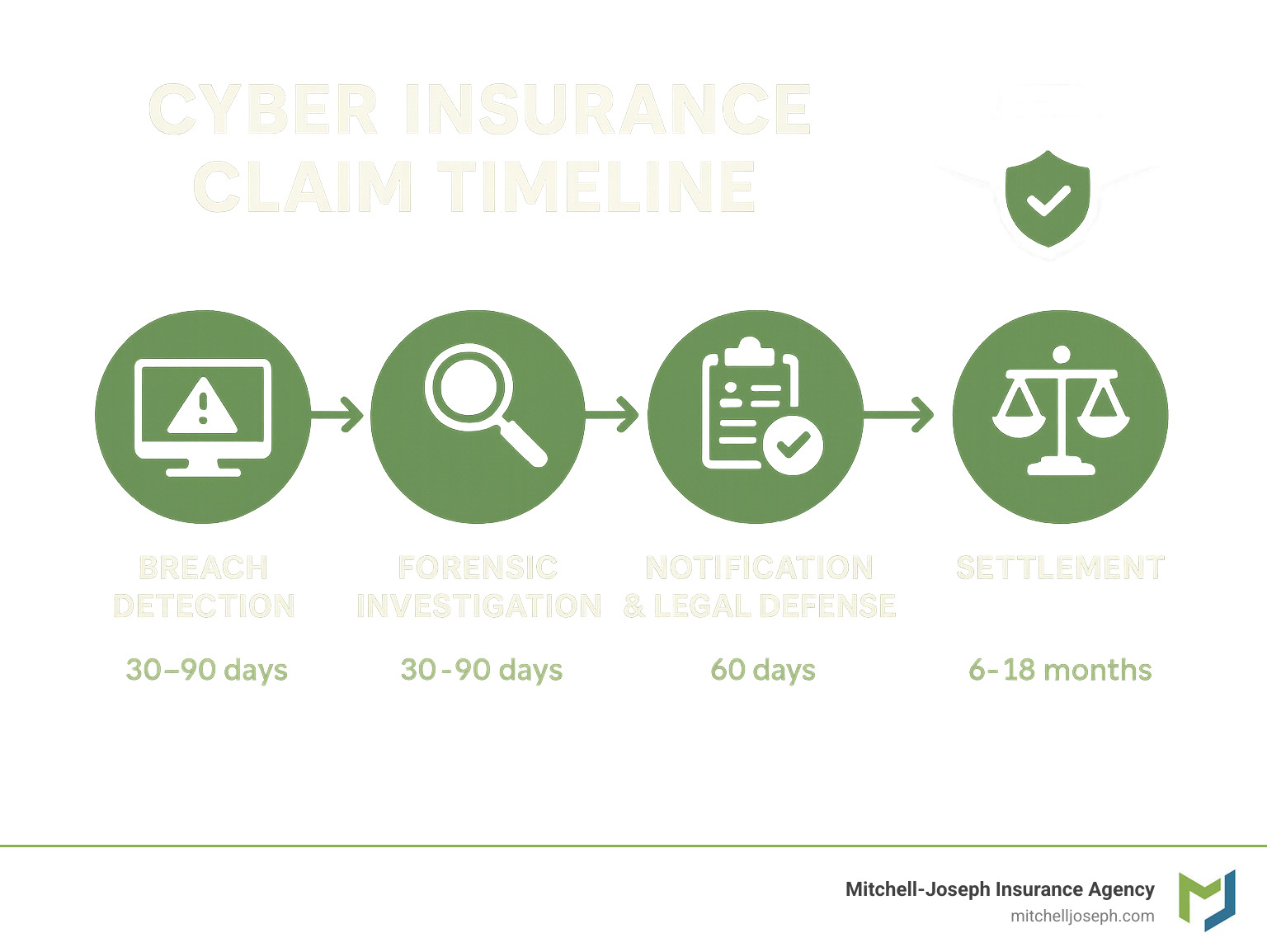
Picture this: It’s 3 AM on a Saturday, and you get a call from your office manager. Your firm’s computer systems are displaying a ransom note demanding $50,000 in Bitcoin. This is exactly when cyber insurance for law firms proves its worth – not just with a check, but with immediate access to a team of experts.
The moment you find a potential cyber incident, your first call should be to your insurer’s incident response hotline. Within minutes, you’ll be connected with a breach coach – a specialized attorney who becomes your lifeline during the chaos. Because they’re lawyers too, everything you discuss remains protected by attorney-client privilege.
Your breach coach coordinates forensic investigators, notification specialists, and crisis management professionals. The forensic vendor panel includes investigators who work exclusively with law firms and understand the sensitive nature of attorney-client privilege.
For real examples of how these situations unfold, take a look at our cyber insurance claims examples page.
Step-by-Step Claims Process
Detection often happens by accident – an employee can’t access files or systems are running slowly. The key is recognizing something’s wrong and not trying to fix it yourself.
Containment comes next. Your forensic team will help you isolate the problem while preserving evidence and maintaining access to unaffected systems.
Notify your insurer within the timeframe specified in your policy – usually 24 to 72 hours after finding the incident. Don’t wait until you have all the details worked out.
Engage the right experts through your insurer’s approved vendor panel. Using non-approved vendors can void your coverage.
Restore operations systematically rather than rushing to get back online. Report to regulatory agencies as required by law – your notification specialists handle this complex process.
Benefits Beyond the Cheque
24/7 expert access means you’re never facing a crisis alone. Crisis management and PR support becomes invaluable when word of your breach starts spreading. Client trust restoration services recognize that your relationships with clients are your most valuable asset. Learning resources and ongoing support continue long after your immediate crisis ends.
The peace of mind that comes from knowing you have this support system can’t be overstated.
Cyber Hygiene Best Practices to Lower Premiums
Strong security practices don’t just protect your practice; they can significantly reduce your insurance premiums. Most insurers now offer meaningful discounts for firms that demonstrate solid security habits. We’ve seen premium reductions of 10-25% for firms that check all the right boxes.
Strong password policies form the foundation of good security. Require complex passwords with at least 12 characters, mixing letters, numbers, and symbols. Better yet, implement a password manager across your entire firm.
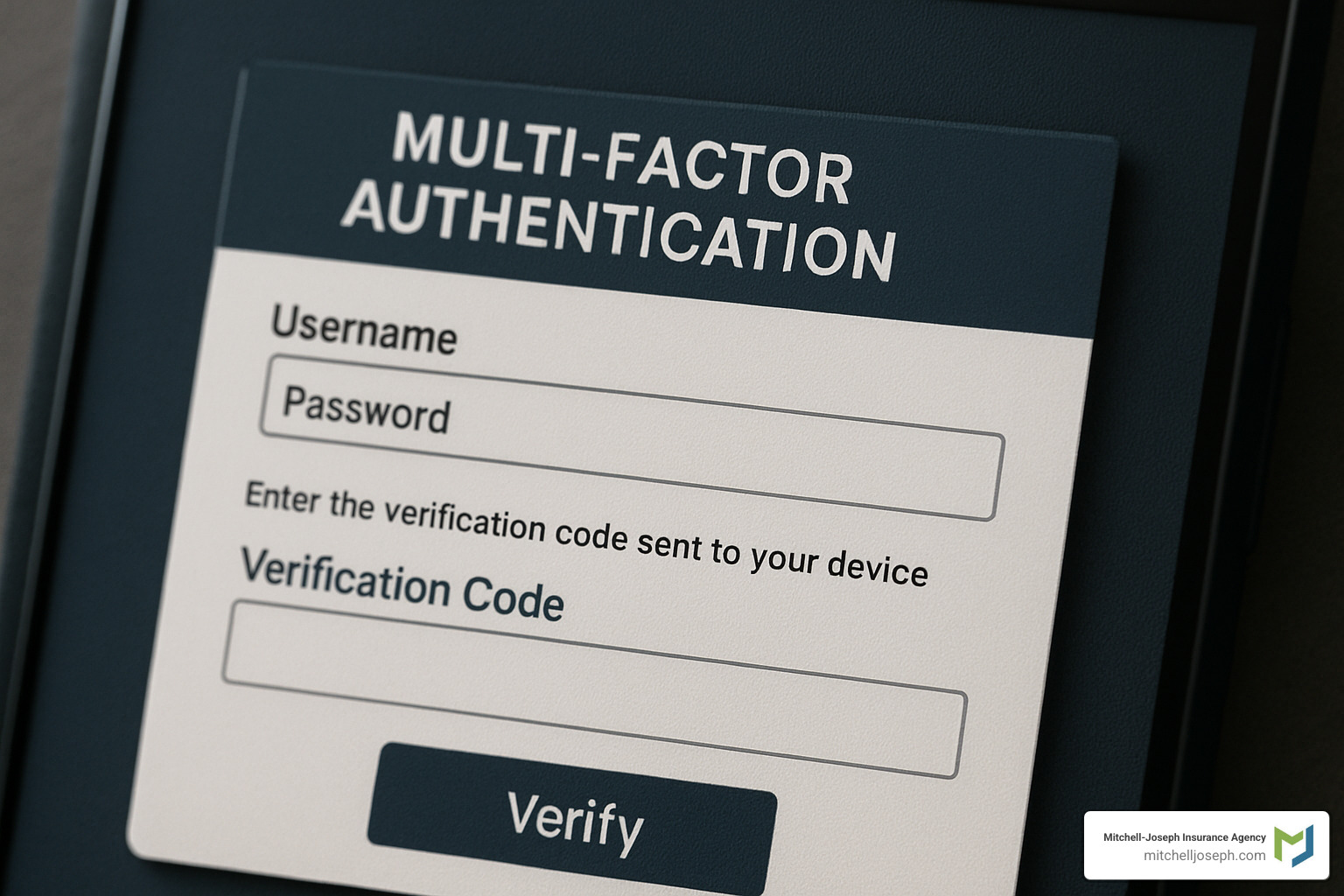
Multi-factor authentication has become non-negotiable. Most insurers now require MFA for email accounts before they’ll even quote coverage. Adding that second authentication step blocks over 99% of automated attacks.
Regular software patching might seem tedious, but it’s essential. Cybercriminals actively scan for unpatched systems because they’re easy targets. Data encryption protects your information even if someone steals your devices. Offsite backups are your lifeline when ransomware strikes. Keep current backups stored offline or in immutable cloud storage where attackers can’t reach them.
Employee training addresses the human side of security. Your staff are both your biggest vulnerability and your strongest defense. Conduct regular training on recognizing phishing emails and safe browsing practices.
Incident response planning prepares your firm for the inevitable. Document who does what when an incident occurs, how to communicate with clients and staff, and step-by-step procedures for containment and recovery.

Building a Culture of Security in Your Firm
Leadership buy-in makes all the difference. When partners and senior attorneys take security seriously, everyone else follows. Ongoing training keeps security awareness fresh. Don’t rely on that annual training session – make it part of regular staff meetings.
Regular technology audits help you stay ahead of problems. Consider hiring external security professionals to assess your systems annually. The firms that get the best insurance rates are those that make cybersecurity everyone’s responsibility.
Frequently Asked Questions About Cyber Insurance for Law Firms
Is cyber insurance mandatory for lawyers in Canada or Alberta?
Yes, if you’re practicing in Alberta, cyber insurance became mandatory in 2022 for all lawyers participating in the ALIA indemnity program. The universal cyber coverage program provides basic protection for $265 per subscriber annually. Most other Canadian provinces have followed Alberta’s lead with similar mandatory programs.
Even where it’s not legally required, cyber insurance has become practically essential. The Law Society rules requiring technological competence mean you need to understand and mitigate cyber risks.
How do I know how much coverage my firm needs?
Firm size is the starting point. Solo practitioners usually need $500,000 to $1 million in coverage. Small firms with 2-10 attorneys should consider $1-3 million in coverage. Larger firms often need $3-10 million or more.
Type of practice matters tremendously. A family law practice has different risks than a corporate firm managing M&A transactions. Revenue and data volume also drive coverage needs.
The average cyber claim for legal organizations is $113,000, but ransomware losses average $183,000. Major breaches can easily reach into the millions. I usually recommend starting with at least $1 million in coverage and adjusting up based on your specific risk factors.
What happens if my policy doesn’t include social engineering coverage?
Social engineering fraud is one of the most common ways attorneys lose money, but many standard policies exclude this coverage entirely. Without it, you’re personally liable for losses from wire fraud schemes and fake invoice scams. I’ve seen firms lose six-figure amounts in hours when criminals intercept email communications.
If your current policy excludes social engineering coverage, you can add it as an endorsement or switch to a policy that includes comprehensive protection. Given how common these attacks have become, I now consider social engineering coverage absolutely essential.
Conclusion
The reality is stark: Cyber insurance for law firms isn’t just another line item on your business expenses – it’s the difference between surviving a cyber attack and watching your practice crumble. Every day you operate without proper coverage, you’re essentially betting your entire career on the hope that cybercriminals won’t target your firm.
We’ve seen too many attorneys in our Rochester and Finger Lakes communities learn this lesson the hard way. The partner who lost $200,000 to a wire fraud scheme. The solo practitioner whose ransomware attack forced her to close after 15 years. The mid-sized firm that faced disciplinary action because they couldn’t afford proper breach notification.
Here’s what I’ve learned after helping law firms steer cyber risks for over two decades at Mitchell-Joseph Insurance Agency: the firms that survive are the ones that take action before they need to. They understand that protecting their practice is protecting their future.
Our team has over 200 years of combined experience, and we work with 24 different insurance companies to find you the best coverage at the most competitive price. We’re not some faceless national broker – we’re your neighbors in Honeoye Falls, and we genuinely care about protecting the legal professionals who serve our community.
Don’t let another day pass without proper protection. Contact us today for a free cyber insurance consultation. We’ll review your current coverage, identify gaps, and provide personalized recommendations that fit your practice and budget.
Your clients trust you with their most sensitive information. Your family depends on your practice’s success. Cyber insurance for law firms protects all of these things for less than you probably spend on coffee each month.
The question isn’t whether you can afford cyber insurance – it’s whether you can afford to practice law without it. For more information about comprehensive protection for your practice, visit our insurance coverage page, or call us directly. Your peace of mind is worth the investment.

