Understanding Classic Car Insurance Requirements in New York State
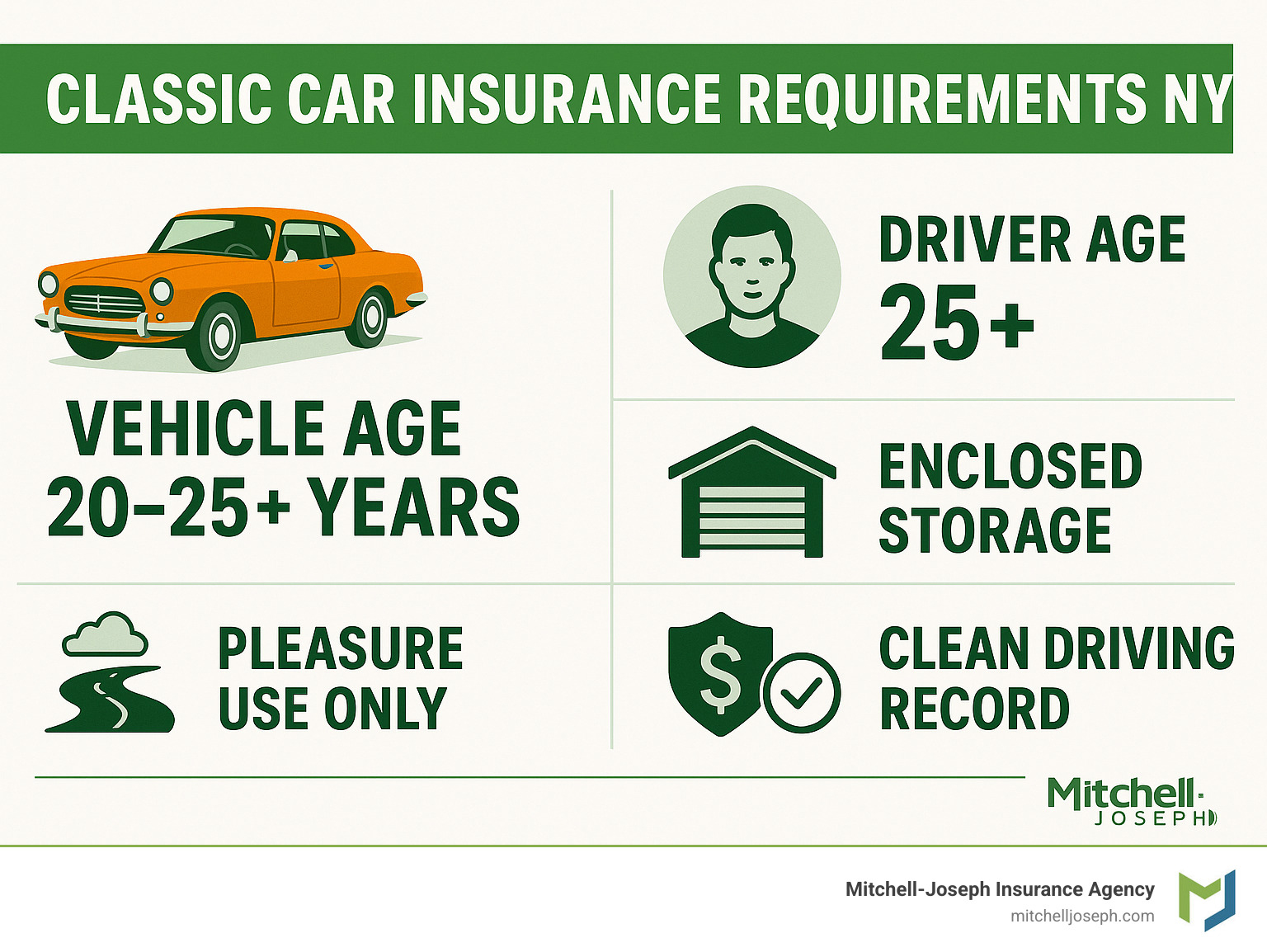
Classic car insurance requirements NY involve specific vehicle and driver qualifications that differ from standard auto insurance. Here’s a summary:
Key NY Classic Car Insurance Requirements:
- Vehicle: 20-25+ years old, in good/restored condition, not a daily driver
- Driver: Minimum age 25, clean driving record, must own a separate daily-use vehicle
- Storage: Enclosed, locked garage or secure storage facility required
- Usage: Limited to pleasure driving, car shows, parades – no commuting or commercial use
- Coverage: Agreed value policies (no depreciation) with mileage restrictions
Classic car insurance protects vehicles that appreciate in value. Unlike standard auto insurance that pays actual cash value (minus depreciation), classic policies offer “agreed value” coverage. You and the insurer agree on your car’s worth upfront, and that’s what you’ll receive if it’s totaled.
New York’s climate creates unique considerations for classic car owners. Harsh winters mean most collectors store their vehicles seasonally, which affects insurance and license plate requirements. If you reduce coverage to comprehensive-only during storage, NY law requires surrendering your plates to the DMV.
I’m Jeffrey Joseph, owner of Mitchell-Joseph Insurance Agency. Since 1999, I’ve helped Finger Lakes residents with classic car insurance requirements NY. Our locations in Naples, Honeoye Falls, and Rushville serve classic car enthusiasts throughout upstate New York.
Key Classic car insurance requirements NY vocabulary:
What Qualifies as a Classic Car and an Eligible Driver in NY?
Not every old car qualifies for classic car insurance. Classic car insurance requirements NY are designed for the collector lifestyle—for those who treat their vehicles as investments, not just transportation. If you spend weekends polishing chrome and attending car shows, this specialized coverage is for you.
Defining a “Classic Car” for Insurance Purposes
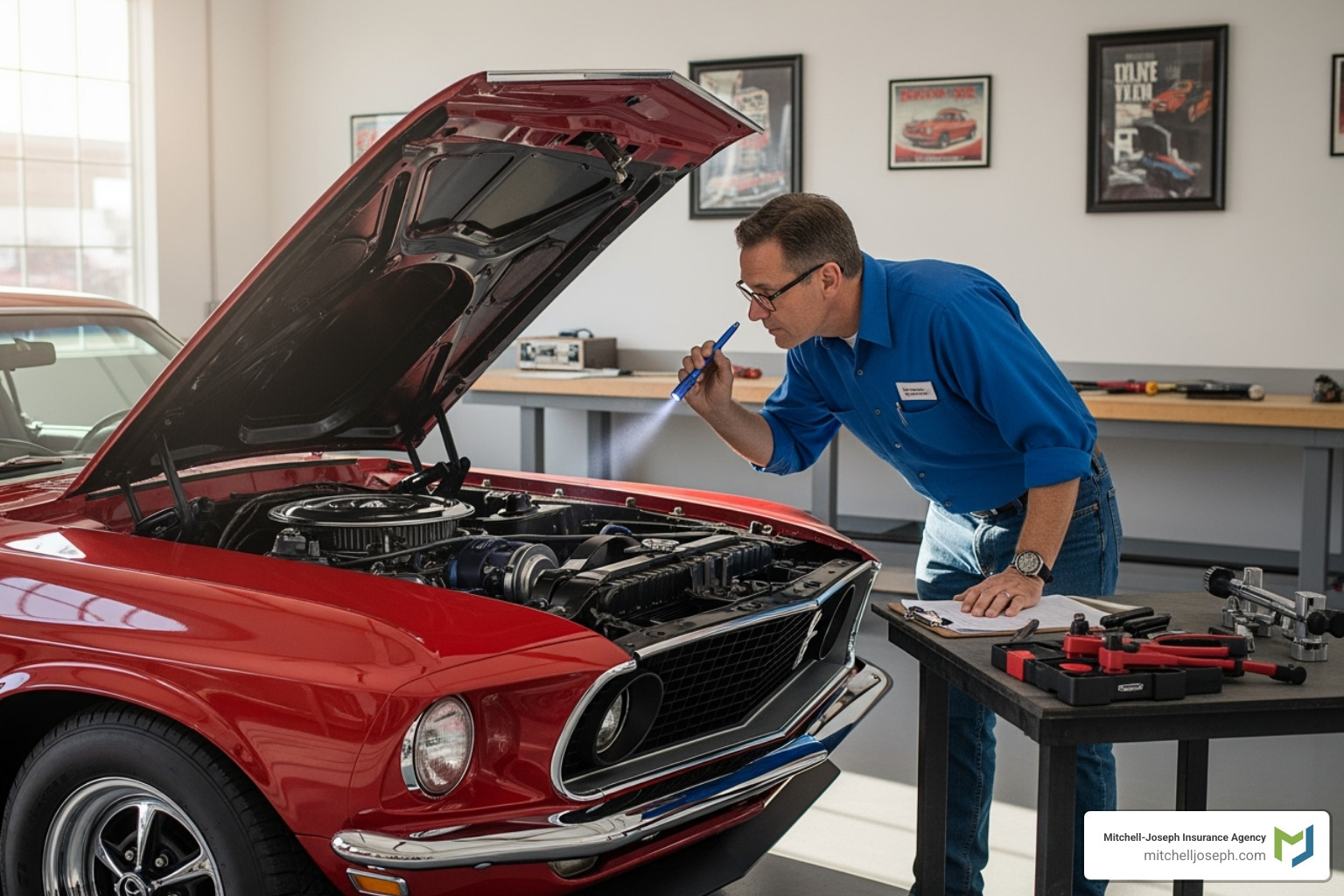
Most policies require a car to be 20-25 years old, but age alone isn’t enough. It must have historical interest and be in good condition.
Your car should be well-maintained, restored, or in original condition, showing pride of ownership. Insurers want to see a commitment to preserving the vehicle’s value. The appreciating value is also crucial. Unlike daily drivers, classics often gain value, especially limited production vehicles or those with historical significance.
Usage patterns are key. The car must be for pleasure use (shows, parades, club events), not daily errands or commuting. This limited use helps lower premiums.
Vehicles that typically qualify include: Antique cars (45+ years old), muscle cars, vintage trucks, exotic cars, and high-quality replica cars. Modified cars may qualify if modifications improve collector value.
What Are the Specific Classic Car Insurance Requirements NY for Drivers?
Insurers are particular about who they cover, ensuring your prized possession is in responsible hands.
Most insurers require drivers to be at least 25 years old, as data shows more experienced drivers have fewer accidents with collector vehicles.
A clean driving record is essential. This means no serious infractions like a DUI or reckless driving in the past three years. A minor violation may be acceptable, but serious ones will likely disqualify you.
You must have a separate daily-use vehicle. Every licensed driver in your household needs a regular car for daily transport, reinforcing that the classic is not your primary vehicle.
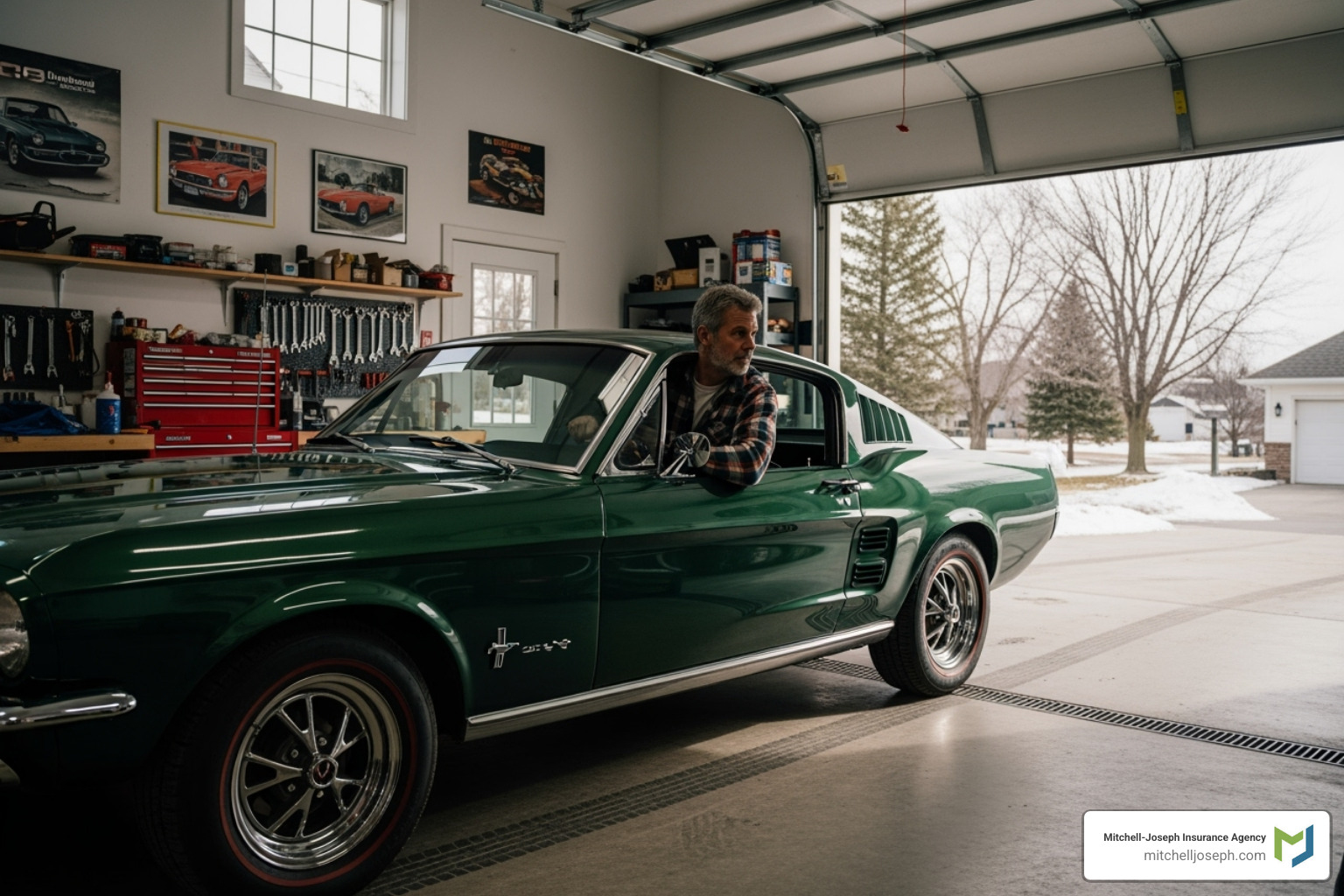
Secure storage is non-negotiable. Your classic must be kept in a fully enclosed, locked garage. While some insurers consider other options, a garage offers the best protection and lower premiums.
If you have questions about general auto insurance requirements, check out our Auto Insurance FAQs for more information.
In short, classic car insurance requirements NY identify true collectors. If you meet these criteria, you can get the specialized coverage your classic car deserves.
Understanding the Key Classic Car Insurance Requirements NY
Understanding specialized insurance is crucial for classic car owners. Classic car insurance requirements NY differ from regular auto insurance, offering a framework that protects your vehicle’s unique value. While a daily driver depreciates, a classic car often tells a different story.

Valuation: Agreed Value vs. Actual Cash Value
Agreed Value coverage is a key benefit. It locks in your car’s worth from day one. You and the insurer agree on a value, and that’s what you receive if the car is totaled. With agreed value, there’s no depreciation. You receive the full agreed amount, regardless of when a total loss occurs.
Most insurers require a professional appraisal to set this value. This protects both parties by creating a clear record of the car’s condition and worth, eliminating guesswork during a claim.
In contrast, Actual Cash Value (ACV), used in standard policies, pays the market value at the time of loss, minus depreciation. This method fails to account for a classic’s restoration, rarity, and unique value.
This valuation difference is why we recommend specialized coverage. At Mitchell-Joseph Insurance Agency, we’ve seen too many collectors shortchanged by standard policies.
You can learn more about how we compare various classic car insurance options for our clients by visiting our Classic Car Insurance Comparison page.
Usage Limitations and Mileage
The pleasure use only restriction is fundamental. It confirms your car’s collector status and helps keep premiums low. You can’t use your classic as a daily driver for commuting or errands. No commercial use is allowed, including deliveries or ride-sharing.
Permitted activities include the fun stuff: club functions, parades, exhibitions, car shows, and occasional drives to keep the engine in good shape.
Most policies have mileage restrictions, usually 3,500 to 7,500 miles annually. Flexible mileage plans or unlimited hobby mileage may be available. Be honest about your usage, and we can find a policy to match.
Parts and Repairs: Protecting Authenticity
Finding parts for a classic car can be a challenge, which classic car policies understand. Guaranteed authentic parts coverage ensures you can use Original Equipment Manufacturer (OEM) parts, protecting your car’s authenticity and investment value, rather than aftermarket substitutes.
Specialized repair shops are also key. Insurers have networks of restoration experts who understand collector vehicles. The claims process reflects this expertise, as representatives know that aftermarket parts can devalue a classic.
If you need to find a local NY restoration shop, we can help connect you with trusted experts like Paul’s Rods and Restos.
| Feature | Classic Car Insurance | Standard Auto Insurance |
|---|---|---|
| Valuation | Agreed Value (no depreciation) | Actual Cash Value (market value minus depreciation) |
| Premiums | Often lower due to limited use and secure storage | Higher due to daily use and higher risk |
| Usage | Limited (pleasure, shows, tours, club events) | Daily driving, commuting, general transportation |
| Parts Replacement | Guaranteed authentic/OEM parts | Aftermarket or used parts common |
New York State Laws, Storage, and Seasonal Adjustments
Owning a classic car in New York presents unique challenges, from state insurance laws to harsh winters. We’ve helped Finger Lakes owners steer these requirements for decades.
How Do New York Laws Impact Classic Car Insurance Requirements NY?
In New York, your classic is still a motor vehicle subject to state law. New York State law requires auto insurance for any registered vehicle. You’ll need minimum bodily injury coverage ($25,000/$50,000), property damage coverage ($10,000), Personal Injury Protection (PIP) ($50,000), and uninsured motorist coverage.
If your car qualifies, you may be eligible for Historical license plates. These are for vehicles at least 25 years old, mostly original, and used for shows. They don’t change your classic car insurance requirements NY but give your car official collector status.
Your classic must also pass New York’s annual safety inspection. Older vehicles are often exempt from emissions tests but must meet safety standards. See the NY motor vehicle inspection regulations for details. New York tracks insured vehicles via a DMV database, so it’s crucial to avoid coverage gaps.
Seasonal Storage and Insurance Adjustments
New York winters are not ideal for classic cars. Most owners store their vehicles from November to March, which creates unique insurance options.
During storage, many owners switch to comprehensive-only coverage, dropping collision and liability but keeping protection against theft, fire, and vandalism.
However, under New York law, removing liability coverage means you must surrender your license plates to the DMV. This involves a trip to the DMV; in spring, you’ll reinstate full coverage to get your plates back. While a hassle, the premium savings can be significant.
Some insurers offer storage discounts or programs that may let you avoid surrendering plates. We can help you find the best option and ensure you follow NY DMV rules on temporary plate surrender.
Planning ahead is key. We advise clients to arrange storage coverage in the fall, well before the first snow.
How Classic Car Insurance Premiums and Policies Are Structured
Understanding what you’ll pay for classic car insurance and what’s covered is key to protecting your prized possession.
What Determines Your Premium in New York?
Classic car insurance is often affordable—sometimes up to 21% lower than standard policies. This is because your classic isn’t used for daily commuting or errands, reducing its risk.
Your premium is determined by several factors:
- Vehicle’s Agreed Value: This is the biggest factor. Rarity, condition, and market value all play a role.
- Garaging Location: Your ZIP code informs insurers about local risks like theft. Storing your car in Honeoye Falls, Rochester, or a smaller upstate town will affect your premium, with rural areas often having lower rates.
- Driving Record: Serious infractions increase costs, while a clean record can earn discounts.
- Annual Mileage: Most policies assume low mileage (3,500 to 7,500 miles per year), which helps lower your premium.
- Deductible Amount: A higher deductible lowers your premium, a choice many careful classic owners make.
- Coverage Limits: Higher limits and optional add-ons increase the premium but offer better protection.
We work with 24 insurance companies to find the best rates and coverage for your budget. Learn more in our guide on Factors That Determine Your Auto Insurance Premium or Get Auto Insurance Quotes in Rochester NY and surrounding areas.
Common Exclusions and Optional Coverages
Like all policies, classic car insurance has exclusions. Understanding them helps avoid surprises. Major exclusions relate to usage; daily commuting and commercial use are prohibited. Racing, competitive events, and off-road use are also typically excluded. Unapproved modifications can void coverage.
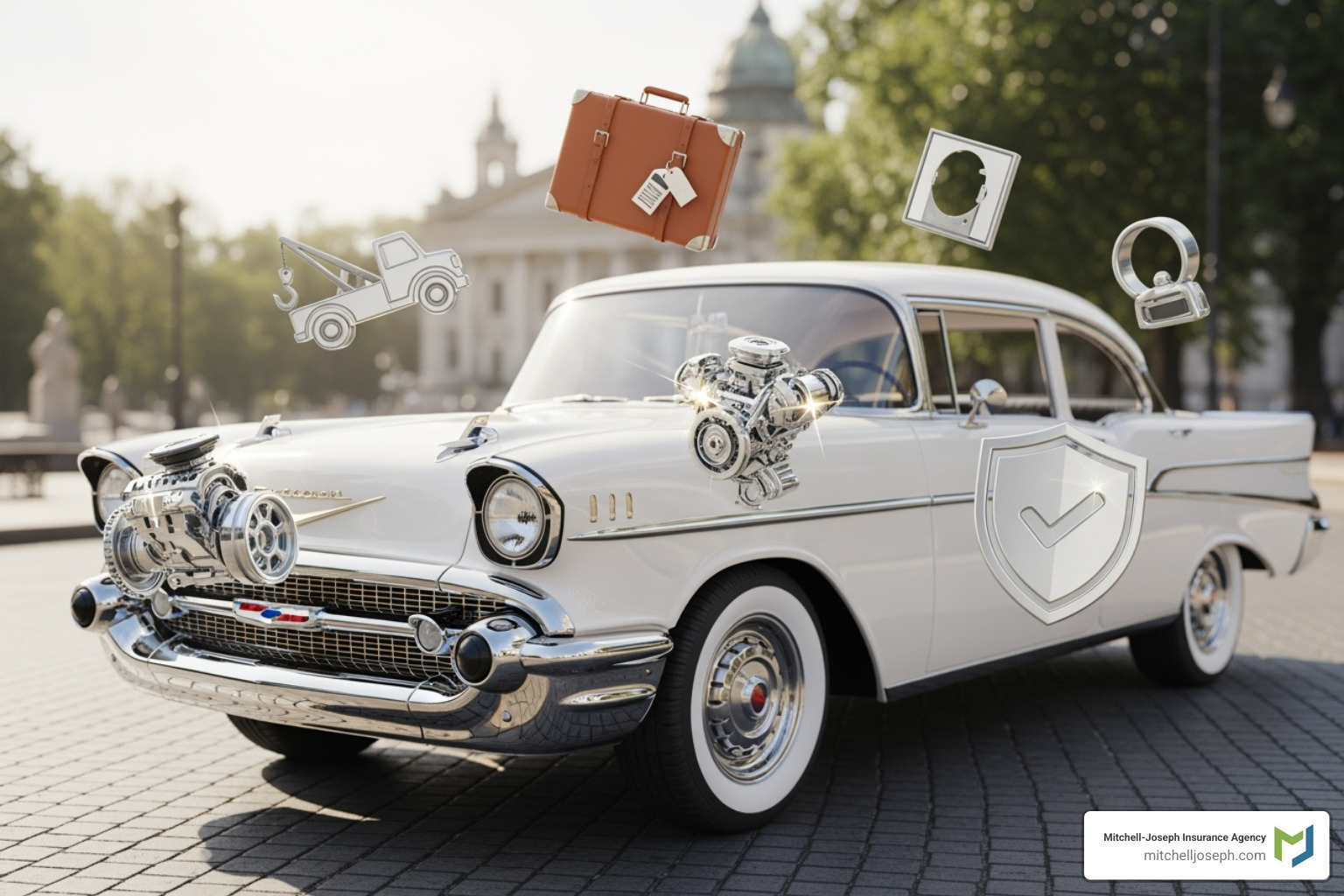
Optional coverages are designed for enthusiasts:
- Roadside assistance often includes flatbed towing with soft straps to protect your vehicle.
- Spare parts coverage protects your collection of original components, even when not installed.
- Automobilia coverage protects your collection of related memorabilia, like vintage signs or model cars.
- Trip interruption coverage helps with expenses like hotels and meals if your car breaks down far from home.
We help you build a policy that matches your needs, providing peace of mind on the road and in the garage.
Frequently Asked Questions about NY Classic Car Insurance
With 25 years of experience in the Finger Lakes region, I’ve answered many questions about classic car coverage. Here are the most common ones for New York collectors.
How is classic car insurance different from regular auto insurance in NY?
The key differences reflect how a classic car is used compared to a daily driver:
- Valuation: Regular insurance uses Actual Cash Value, which includes depreciation. Classic car insurance uses Agreed Value, a pre-determined amount that reflects your car’s true worth without depreciation.
- Usage: Standard insurance covers daily driving. Classic car policies have usage restrictions, limiting use to pleasure activities like shows and club events, not commuting.
- Premiums: Because of the limited use and secure storage, the risk is lower, which often results in lower premiums than standard auto insurance.
Can I drive my classic car every day in New York with this insurance?
No. Classic car policies are priced for secondary vehicles used for pleasure. Using it for daily commuting or business could lead to a denied claim. You must have a separate, regularly insured vehicle for daily transport. This requirement ensures the classic is treated as a collector’s item. Pleasure use is still broad, covering drives to car shows, club meetings, and parades.
Do I have to surrender my license plates if I store my classic car for the winter in NY?
This common question for NY owners depends on your insurance adjustments during winter storage. Many owners reduce coverage to comprehensive-only in winter. This saves money while still protecting against theft, fire, and other non-collision damage.
However, the catch is that if you drop liability coverage, NY State law requires you to surrender your license plates to the DMV, as any registered vehicle must have liability insurance.
Keeping comprehensive coverage during storage is smart, as it protects your investment from non-driving risks. In the spring, you’ll reinstate full coverage and retrieve your plates.
Get the Right Protection for Your Prized Possession
Your classic car represents more than just transportation – it’s a piece of automotive history, a labor of love, and often a significant financial investment. Whether you’ve spent countless weekends restoring a 1967 Mustang or inherited your grandfather’s pristine Cadillac, protecting that passion requires more than standard auto insurance.
At Mitchell-Joseph Insurance Agency, we’ve been walking alongside classic car enthusiasts in the Finger Lakes region for over two decades. Our team understands the unique bond between collector and vehicle – that mixture of pride, nostalgia, and pure joy that comes from turning the key on a beautiful Sunday morning.
Peace of mind comes from knowing your investment is properly protected. When you meet all the classic car insurance requirements NY and secure the right coverage, you can focus on what matters most: enjoying your classic car. Whether you’re heading to a car show in Canandaigua, participating in a parade through Victor, or simply taking a scenic drive around Honeoye Lake, you’ll know your prized possession is covered.
Our custom coverage approach means we don’t offer one-size-fits-all solutions. With access to 24 different insurance companies and over 200 years of combined experience, we craft policies that match your specific situation. Maybe you have multiple classics that need coverage, or perhaps you’re just starting your collection with your first vintage vehicle. We work with you to find the perfect fit.
Expert advice is what sets us apart from the big box agencies. We understand the difference between agreed value and actual cash value coverage. We know why your 1969 Camaro needs different protection than your daily driver. And we’re familiar with New York’s seasonal storage requirements and how they affect your coverage needs.
From our three convenient locations in Honeoye Falls, Naples, and Rushville, we serve classic car owners throughout the greater Rochester area and beyond. Whether you’re in Pittsford polishing chrome or in Avon attending a cruise night, we’re here to support your collector car journey.
Don’t trust your automotive treasure to a standard policy that treats it like any other depreciating asset. Your classic deserves specialized protection that recognizes its true value and your careful stewardship. Contact us today to Find the right Auto Insurance Coverage for you and find how proper classic car insurance can give you the confidence to truly enjoy your passion project.