

More Than Just a Pipe Problem
Average sewer line repair cost typically ranges from $2,000 to $10,000, depending on the severity of damage, repair method, and location of the problem. Here’s what homeowners can expect:
| Repair Type | Cost Range | Best For |
|---|---|---|
| Minor repairs (snaking, hydro jetting) | $150 – $800 | Simple clogs and blockages |
| Partial line repair | $1,000 – $4,000 | Localized damage or cracks |
| Full line replacement (traditional) | $3,000 – $13,000 | Extensive damage, collapsed pipes |
| Trenchless replacement | $6,000 – $20,000 | Minimal property disruption needed |
Sewer line replacement is a job for the pros. What starts as a slow drain or foul odor can escalate into sewage backups, foundation cracks, or sinkholes. Ignoring these warning signs leads to more expensive repairs. Beyond the pipe fix, expect other expenses: camera inspections ($125-$500), permits (up to $1,000), concrete repair ($800-$2,600), and landscaping restoration ($300-$10,000).
The stakes are high. Broken pipes release toxic fumes, posing health risks, and can cause structural foundation damage, leading to repair bills that dwarf the original fix.
I’m Jeffrey Joseph, and I’ve spent over two decades helping homeowners in the Finger Lakes region steer complex insurance situations, including understanding coverage gaps for issues like average sewer line repair cost scenarios. Through Mitchell-Joseph Insurance Agency, I’ve seen how proper planning and knowledge can save families thousands when unexpected sewer problems strike.
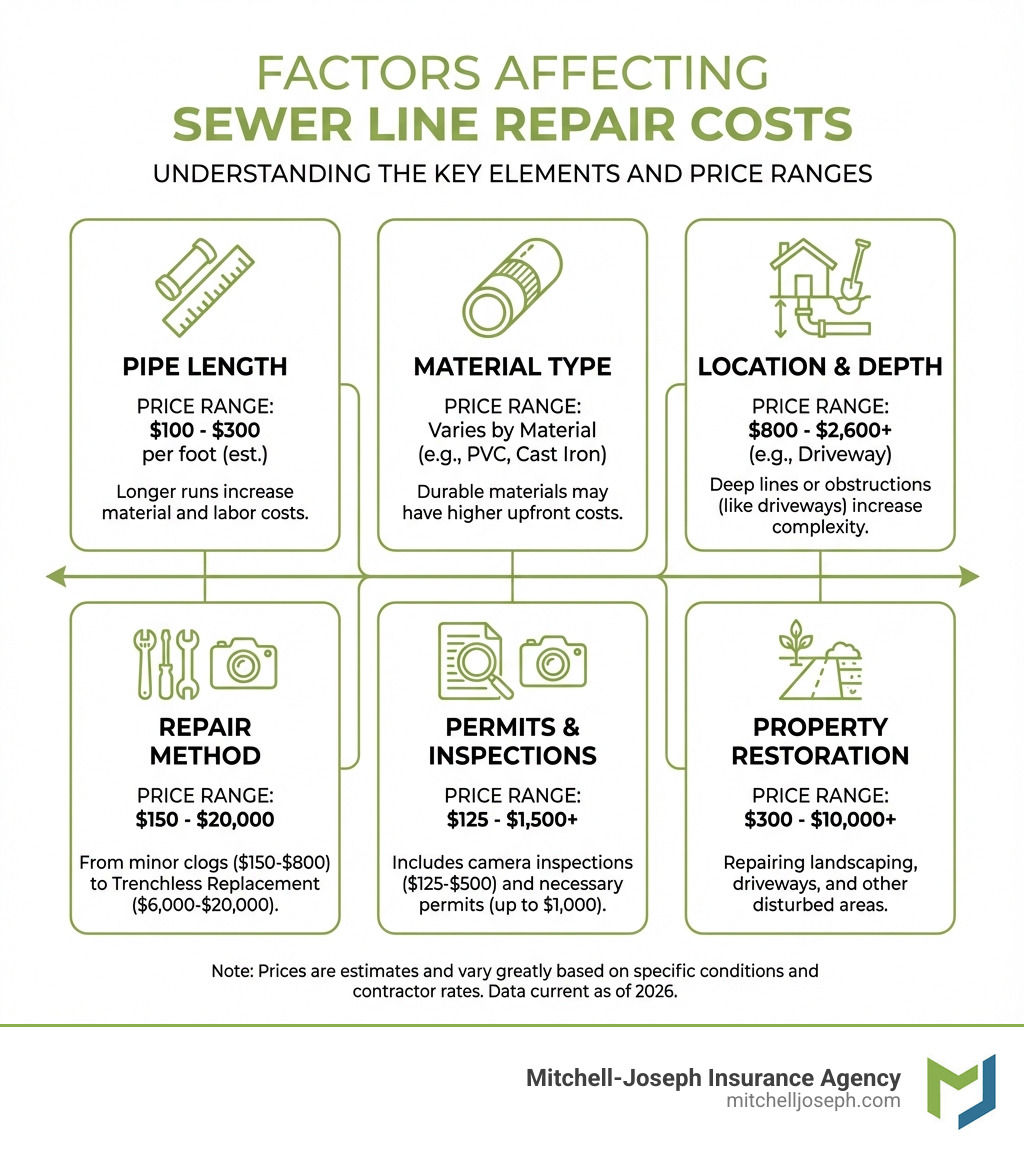
Understanding the Average Sewer Line Repair Cost and Key Factors
The thought of a damaged sewer line is daunting due to the significant cost and potential health hazards. Understanding the signs, causes, and repair options is the first step toward making informed decisions. We’re here to guide you through the complexities of average sewer line repair cost, ensuring you’re prepared for whatever comes your way.
Telltale Signs and Common Causes of Sewer Line Damage
Before we dig into costs, let’s talk about how you can tell if your home’s sewer line is in trouble. Catching these early warnings can save you a world of trouble (and money!).
Here are the common signs that indicate a sewer line needs repair:
- Slow Drains: Multiple slow drains often point to a main line clog, not an isolated one.
- Gurgling Sounds: Gurgling from toilets or drains can signal trapped air from a blockage.
- Foul Odors: Persistent, unpleasant sewage smells are a clear warning sign of a leak.
- Sewage Backups: Sewage backing up into your toilets or basement is an undeniable sign of a severe blockage.
- Pest Infestations: An increase in rodents or insects can be a surprising sign, as pests can enter through cracks in the pipes.
- Foundation Cracks: A leaking sewer line can saturate the soil, leading to foundation damage.
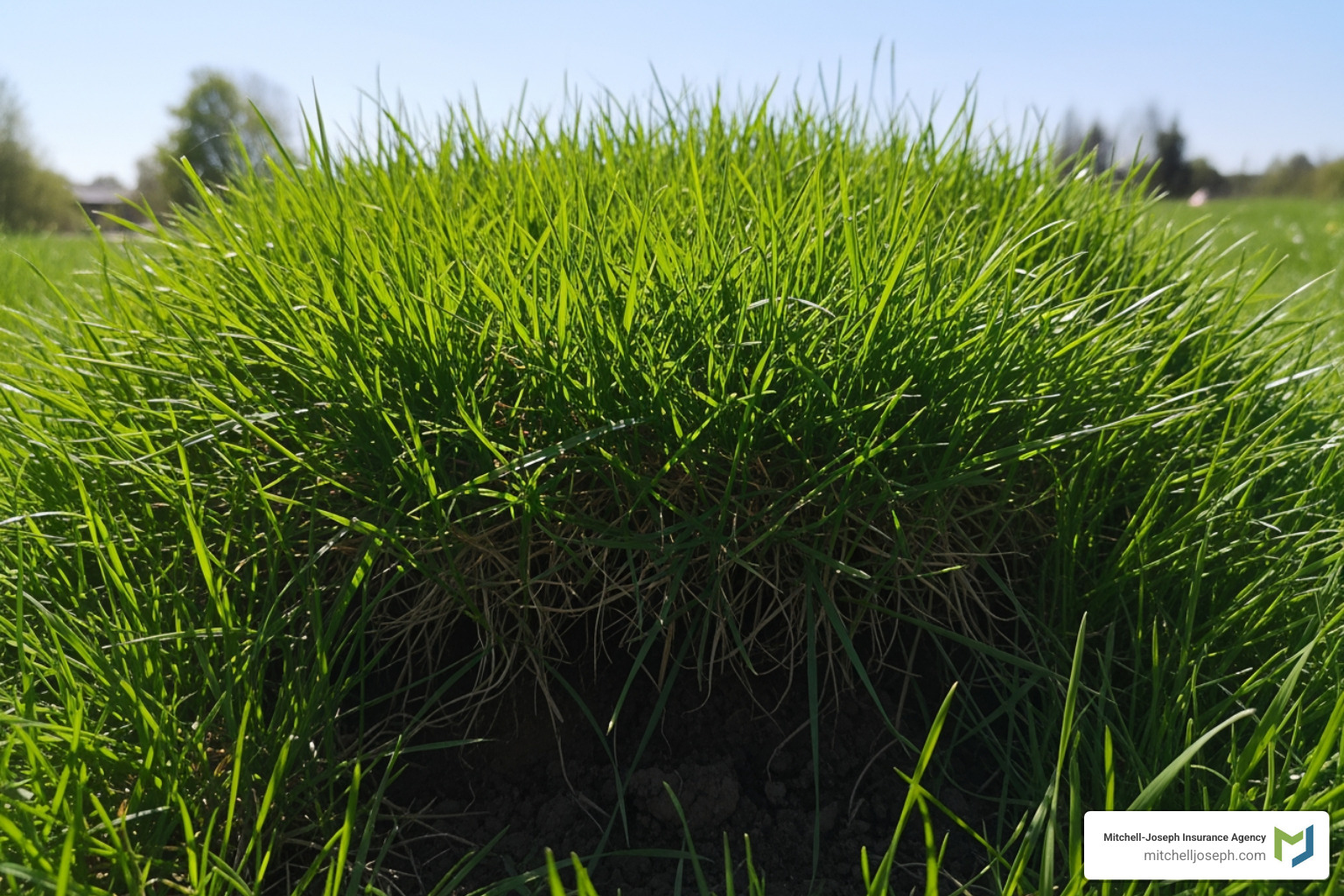
- Lush Patches in Yard: Unusually green spots of grass can indicate a leak, as wastewater acts as fertilizer.
- Sinkholes: Indentations in your lawn could mean a leak is washing away soil beneath the surface.
Common causes of sewer line damage include:
- Tree Root Intrusion: Roots are naturally drawn to water and can penetrate pipes, causing blockages and damage.
- Old, Deteriorating Pipes: Materials like clay or cast iron become brittle and corrode over time, especially in older homes in the Finger Lakes region.
- Ground Shifting: Freeze-thaw cycles, common in New York, can cause pipes to crack or disconnect.
- Severe Clogs: Grease buildup or flushing inappropriate items (like “flushable” wipes) can put immense pressure on pipes, leading to cracks.
Repair vs. Replacement: Making the Right Choice
Once a problem is identified, the decision to repair or replace hinges on the extent of the damage, the age of your pipes, and your budget.
Repair is recommended for:
- Isolated cracks or holes.
- Minor root growth in a structurally sound pipe.
- Persistent blockages that can be cleared with hydro-jetting.
Replacement is necessary for:
- Extensive damage, multiple cracks, or significant corrosion.
- Collapsed pipe sections.
- Very old pipe materials (like Orangeburg) or severely deteriorated clay/cast iron.
- Frequent, recurring sewer line problems.
Pipe Material Lifespan:
- Clay Pipes: 50-60 years.
- Cast Iron Pipes: 75-100 years.
- PVC/ABS Pipes: 50-100+ years.
Your choice of pipe material impacts the total cost. Most homes use 4-inch diameter pipe for their main sewer lines. Modern PVC and ABS pipes offer durability at a reasonable price, while cast iron is stronger but more expensive.
Breaking Down the Average Sewer Line Repair Cost by Method
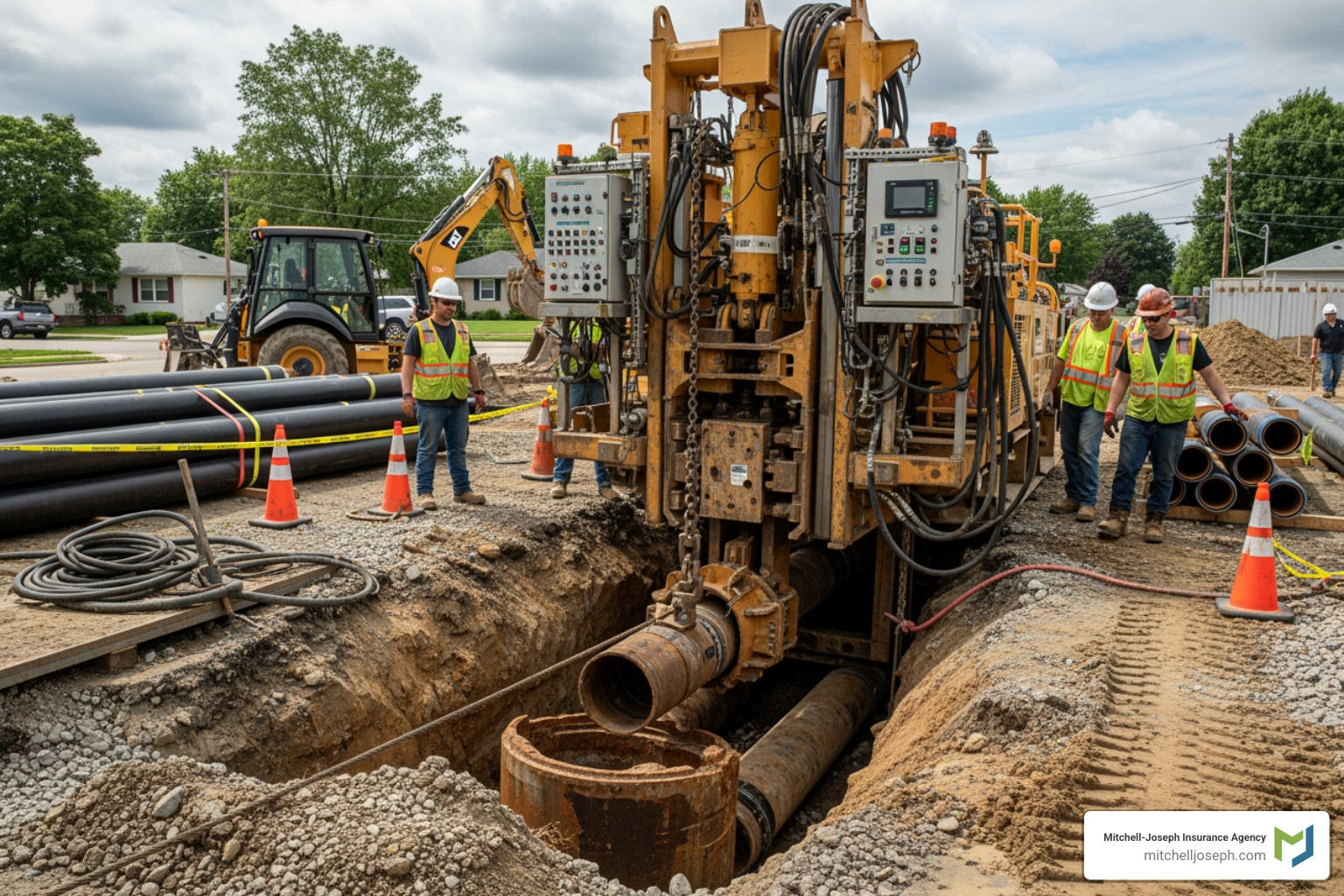
The average sewer line repair cost varies significantly based on the method chosen.
-
Snaking:
- Cost: $150 – $500
- What it is: A flexible auger breaks up or retrieves simple clogs. It is not effective for roots or structural pipe damage.
-
Hydro Jetting:
- Cost: $250 – $800
- What it is: High-pressure water blasts away stubborn clogs, grease, and some roots. It cannot repair broken pipes.
-
Traditional Excavation (Dig and Replace):
- Cost: $50 – $250 per linear foot, with total costs from $3,000 to $13,000.
- What it is: This involves digging a trench to replace the damaged pipe. It’s best for collapsed or severely damaged lines but is highly disruptive to your property.
-
Trenchless Pipe Lining (CIPP):
- Cost: $90 – $250 per linear foot, with total costs from $6,000 to $12,000+.
- What it is: A resin-coated liner creates a new, seamless pipe inside the old one. It minimizes digging and is excellent for cracked pipes that are still intact.
-
Trenchless Pipe Bursting:
- Cost: $60 – $200 per linear foot, with total costs from $6,000 to $12,000+.
- What it is: A new pipe is pulled through the old one, breaking it apart. This is best for collapsed pipes or when increasing pipe diameter is desired.
Trenchless benefits: While sometimes having a higher upfront cost, trenchless methods save significant money on restoring your yard, driveway, and landscaping.
How Additional Expenses Impact the Average Sewer Line Repair Cost
It’s crucial to factor in several additional expenses beyond the pipe repair itself.
- Camera Inspection: $125 – $500. Essential for accurate diagnosis before work begins.
- Permits: $100 – $1,000. Required by most municipalities in New York for sewer work.
- Landscaping Restoration: $300 – $10,000. Needed to repair your yard after traditional excavation.
- Driveway or Patio Restoration: $800 – $3,000+. If your line runs under a paved surface, it must be broken and repaired. A local concrete repair contractor can provide custom quotes.
- Tree Root Removal: $300 – $1,100. To clear roots from the line before repair.
- Sewage Cleanup: $500 – $10,000. Professional remediation is critical to prevent health hazards after a backup.
- Backflow Preventer Installation: $150 – $1,150. A smart investment to stop sewage from flowing back into your home.
DIY Dangers vs. Professional Peace of Mind
We strongly advise against a DIY approach to sewer repair. The risks far outweigh any potential savings:
- Health Hazards: Direct contact with sewage can cause serious illness. Sewer gases are also toxic.
- Specialized Equipment: Proper repair requires expensive, specialized tools that need expertise to operate safely.
- Code Violations: Incorrect work can lead to fines, failed inspections, and costly re-work.
- Potential for More Damage: You could easily damage your pipes, other utility lines, or your property, escalating the problem.
Hiring licensed plumbers is always the smarter choice. They offer expertise, the right equipment, safety compliance, and warranties on their work, providing peace of mind and protecting your investment.
Protecting Your Investment: Insurance, Maintenance, and Next Steps
Dealing with a sewer line issue is stressful, but the right insurance and proactive maintenance can significantly reduce the financial burden.
Does Homeowners Insurance Cover Sewer Line Repairs?
This is a common question we hear at Mitchell-Joseph Insurance Agency, and the answer is often more complex than homeowners expect.
Generally, standard homeowners insurance policies do not cover sewer line repair or replacement costs. Coverage is typically denied for:
- Wear and Tear: Damage from normal aging, corrosion, lack of maintenance, or slow-growing tree roots is usually excluded as a maintenance issue.
- Ground Movement: Damage from soil shifting or settling is also typically excluded.
- Flooding: Damage from external flooding requires separate flood insurance.
However, there are crucial coverages that can protect you:
- Service Line Coverage: This vital add-on (endorsement) protects you from damage to underground utility lines on your property, including your sewer line. It typically covers damage from wear and tear, corrosion, freezing, and tree roots.
- Sewer and Water Backup Insurance: This endorsement covers the damage inside your home from a backup, such as cleanup costs and ruined property. It does not cover the pipe repair itself. Learn more in our guide: Does Homeowners Insurance Cover Water Damage from Sewer Backup?
Saving Money on Repairs Through Insurance and Maintenance:
The best way to save on the average sewer line repair cost is with smart insurance and proactive maintenance.
- Get the Right Coverage: We at Mitchell-Joseph Insurance Agency can help you add Service Line Coverage and Sewer and Water Backup Insurance to your policy. This small investment can save you thousands if a sewer line issue arises. Get a quote for Sewer Line Insurance today!
- Regular Inspections: Schedule professional sewer camera inspections every 2-5 years, especially if your home has older pipes or mature trees, to catch problems early.
- Preventative Maintenance:
- Flush Responsibly: Only flush human waste and toilet paper. Avoid “flushable” wipes, paper towels, feminine hygiene products, and grease.
- Manage Tree Roots: If you have large trees near your sewer line, consider professional root maintenance. When planting new trees, choose varieties with less aggressive root systems and plant them far from underground lines.
- Use Drain Screens: Prevent hair and food debris from entering your drains.
- Avoid Chemical Drain Cleaners: These can damage pipes over time.
By understanding the potential costs, recognizing the warning signs, and taking proactive steps with both maintenance and insurance, you can protect your home and your peace of mind. We’re here to help you get the coverage you need.

