Why Every Farm Needs an Agricultural Insurance Company
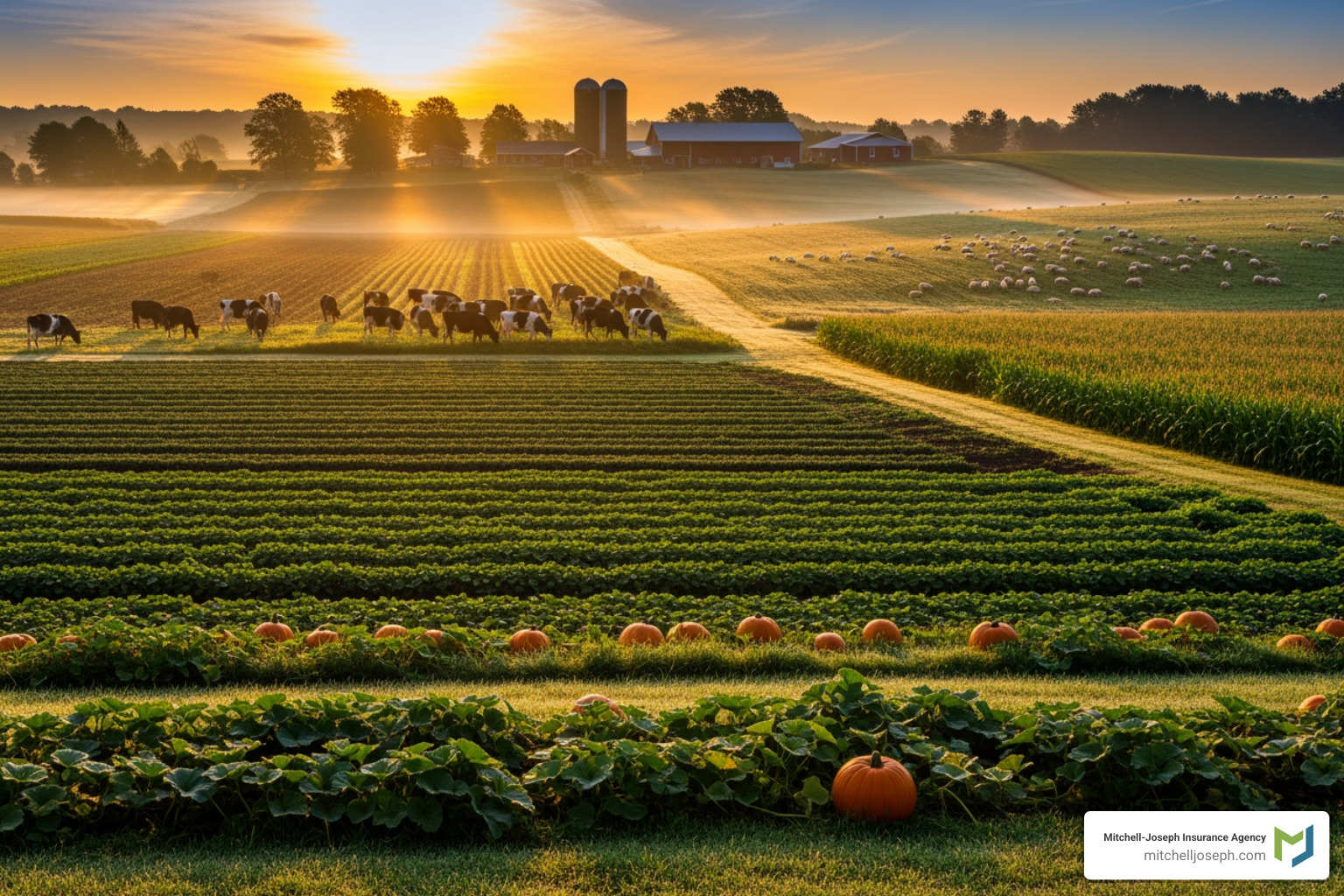
An agricultural insurance company provides specialized coverage to protect farmers from financial losses due to weather, market volatility, and other unique operational risks. These policies cover crops, livestock, property, and liability, often with government subsidies to make premiums more affordable. Key protections include:
- Weather Protection: Coverage for drought, flood, hail, and other natural disasters.
- Revenue Stability: Protection from market price fluctuations and yield losses.
- Asset Security: Insurance for buildings, machinery, and livestock.
- Liability Coverage: Protection against accident and injury claims.
- Government Support: Access to subsidized federal programs through approved providers.
In New York’s Finger Lakes region, unpredictable weather can devastate a farm—whether it’s a vineyard, dairy, or grain operation—without proper protection. The agricultural industry has also grown more complex, with modern risks like cyber threats, new labor regulations, and volatile global markets. Fortunately, new technologies are making coverage more precise and claims faster than ever.
I’m Jeffrey Joseph, and I’ve helped farmers across the Finger Lakes secure the right insurance since 1999 through Mitchell-Joseph Insurance Agency. Working with an agricultural insurance company that understands your specific operation is the key to protecting your livelihood.
Basic agricultural insurance company vocab:
Understanding Your Coverage with an Agricultural Insurance Company
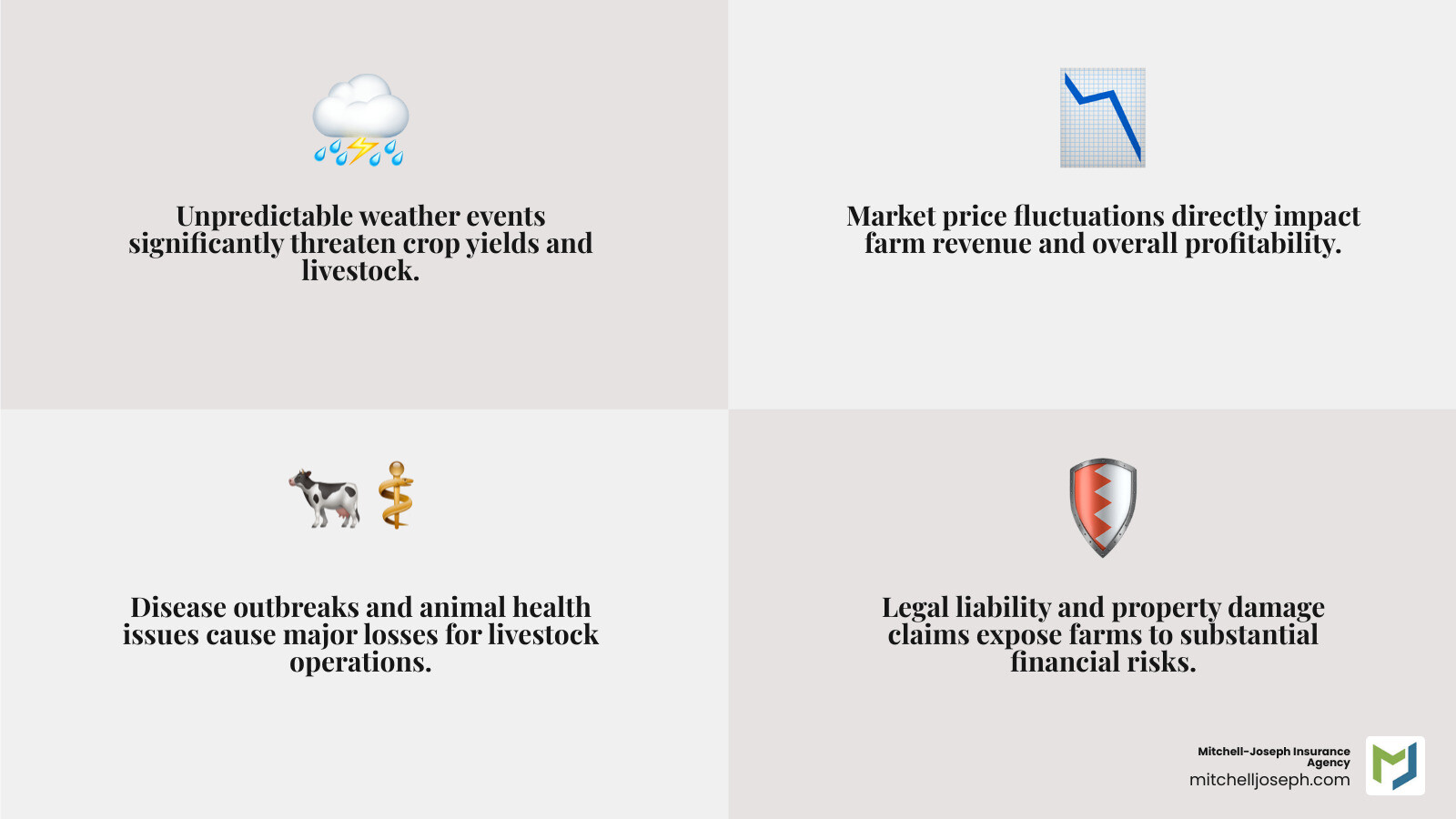
Farming is an inherently risky business, especially in the unpredictable climate of New York. An agricultural insurance company acts as a crucial partner, providing a safety net that allows farmers to weather financial storms. Without it, a single unexpected event—be it a severe hailstorm, a livestock disease outbreak, or a sudden drop in market prices—could jeopardize years of dedication and investment.
Key Types of Farm Insurance Policies
A comprehensive plan from an agricultural insurance company includes several key components to address the diverse needs of modern farms.
- Crop Insurance: This is the cornerstone for many New York farms, protecting against losses from natural disasters like drought, hail, or flood, as well as revenue losses from price declines. Federally supported Multiple Peril Crop Insurance (MPCI) offers broad protection, while private policies can cover specific risks like hail or frost.
- Livestock Insurance: For dairy or beef operations, this coverage is paramount. It protects against animal sickness, disease, or death, including widespread outbreaks. Federal programs like Livestock Risk Protection (LRP) also help manage risks from fluctuating market prices.
- Farm Property Insurance: This covers your physical assets, including barns, sheds, tractors, and harvesters, against damage or theft from perils like fire or windstorms.
- Farm Liability Insurance: This protects you from claims of bodily injury or property damage occurring on your farm or due to your operations. It’s a critical part of risk management in today’s world.
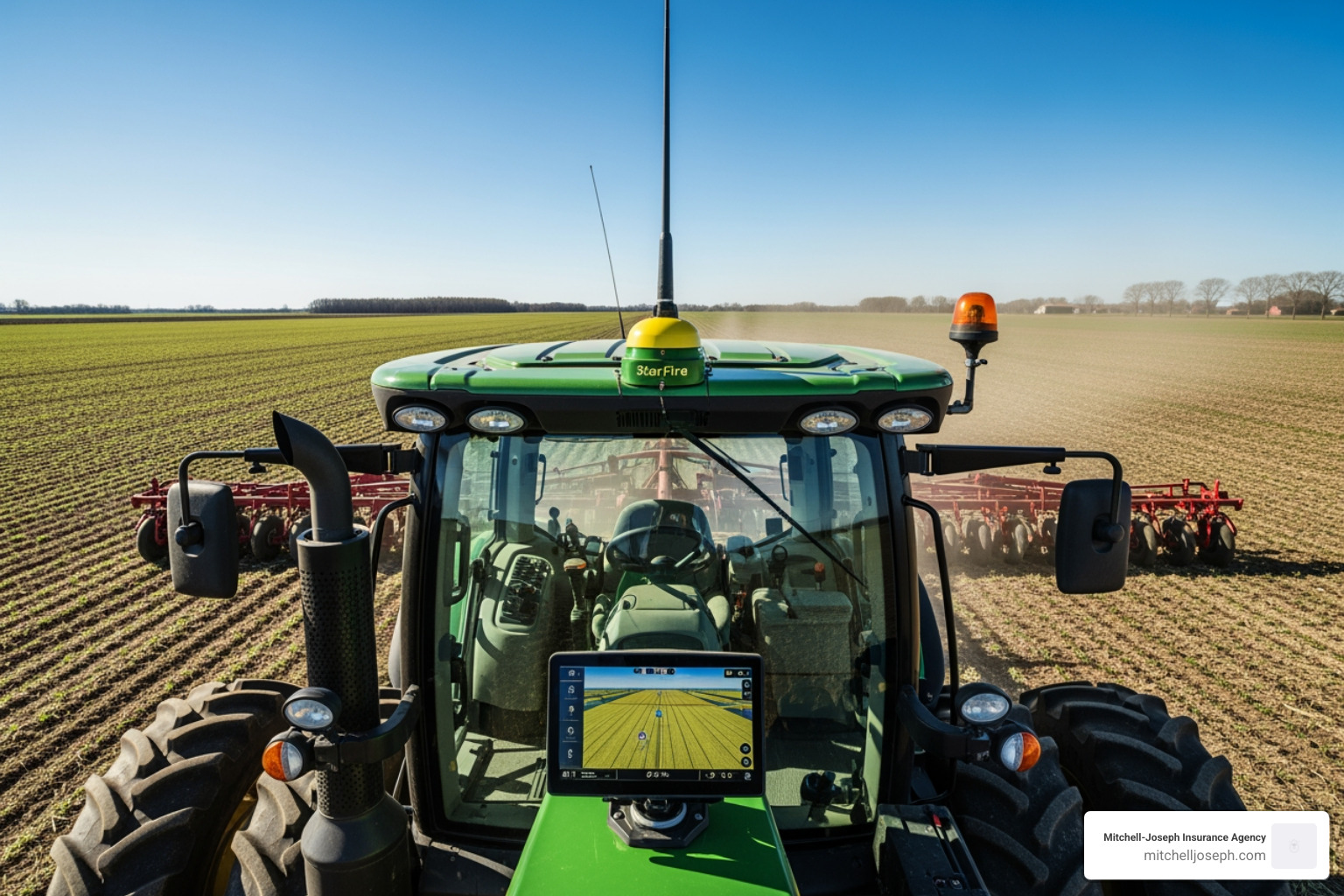
- Cyber Insurance: As farms adopt digital tools like GPS-guided tractors and management software, this policy protects against data breaches, ransomware, and other cyber threats that could halt operations.
Common perils covered by these policies include:
- Drought
- Flood
- Fire
- Theft
- Disease (for livestock)
- Hail
- Wind
These policies work together to provide financial resilience against the many risks of farming.
Deconstructing Your Policy: What’s Inside?
Understanding your policy’s key components empowers you to make informed decisions. Here’s a breakdown of what to look for:
- Coverage Limits: The maximum amount your agricultural insurance company will pay for a covered loss. Ensure these limits reflect the true value of your assets.
- Deductibles: The out-of-pocket amount you pay before coverage begins. A higher deductible typically means a lower premium.
- Policy Period: The duration your coverage is active, usually one year. We help clients review and renew policies to avoid gaps in protection.
- Named Perils vs. All-Risk: A “named perils” policy covers only listed events (e.g., fire, hail), while an “all-risk” policy covers everything unless specifically excluded, offering broader protection.
- Exclusions: Specific events or situations your policy does not cover. We review these carefully with clients to prevent surprises.
- Endorsements: Additions that modify a policy, either adding or removing coverage to tailor it to your farm’s unique needs.
- APH Certification: For crop insurance, your Actual Production History (APH) is a certified record of your farm’s yields. An accurate APH is vital as it directly impacts your insurance guarantee.
The Role of Government Programs and Subsidies
Government programs make agricultural insurance more accessible and affordable. In the United States, the Federal Crop Insurance Program (FCIP) is managed by the USDA’s Risk Management Agency (RMA). This program provides a framework for crop insurance products that protect against yield and revenue losses.
A key feature is premium subsidies, where the federal government pays a portion of the farmer’s premium. This cost-sharing significantly reduces the financial burden, making comprehensive coverage a viable option for farms of all sizes. This partnership between farmers, private agricultural insurance company providers, and government agencies creates a more resilient agricultural sector.
How Technology is Revolutionizing Farm Insurance
Technology is changing how an agricultural insurance company operates, leading to smarter and faster protection.
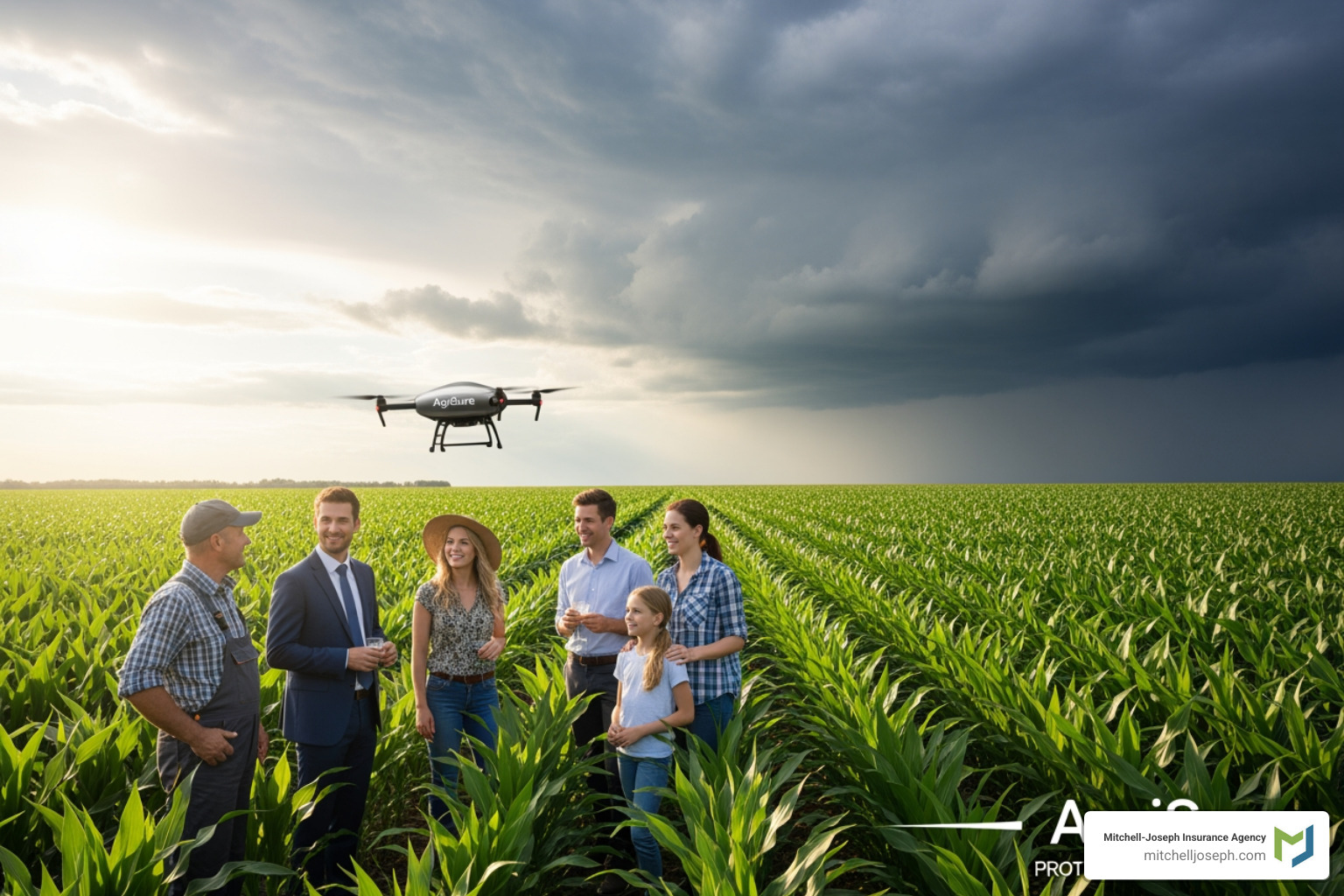
- Satellite Monitoring and Drones: These tools provide high-resolution data on crop health and damage, allowing for more precise risk assessment and faster claims processing.
- Data Analytics: Advanced algorithms analyze data from weather stations, historical yields, and market trends to customize policies for individual fields and their unique conditions.
- Parametric Insurance: This innovative approach pays out based on predefined triggers, like rainfall falling below a certain level. This simplifies and speeds up the claims process significantly.
- Mobile Apps and Digital Tools: Many insurers now offer mobile apps for managing policies and filing claims directly from a smartphone, streamlining the entire process.
This combination of technologies allows for an unprecedented level of precision in risk assessment, leading to more accurate premiums and targeted coverage for New York farmers.
Making Smart Choices for Your Agricultural Operation
Choosing the right insurance is a critical decision for any New York farmer. It’s not just about having a policy; it’s about having the right policy that genuinely protects your livelihood against the unique challenges of our region. This involves understanding how premiums are determined, what to expect during a claims process, and how to partner with the right professionals.
Navigating Premiums and the Claims Process with an agricultural insurance company
Understanding how premiums are calculated and what to expect during a claim are vital when working with an agricultural insurance company.
Factors Determining Your Premium:
Premiums are calculated based on your farm’s specific risk profile. Key factors include:
- Farm Size and Type: Larger or high-value operations (like vineyards) generally have higher premiums.
- Location: Your farm’s location in New York influences risks from local weather patterns.
- Crop Type: High-risk crops cost more to insure than resilient ones.
- Claims History: A history of frequent claims may increase premiums.
- Coverage Level: Higher coverage limits or lower deductibles will increase your premium.
- Risk Management: Implementing safety measures like irrigation may lead to discounts.
- Government Subsidies: Federal programs often subsidize premiums, reducing your out-of-pocket cost.
The Claims Process:
When a loss occurs, a prompt and fair claims process is essential. The general steps include:
- Report the Loss: Notify your insurance agent or company as soon as possible.
- Adjuster Inspection: An adjuster will visit your farm to assess the damage and verify the loss.
- Provide Proof of Loss: You will need to supply documentation like yield records, receipts, or photos.
- Claim Settlement: Once verified, the agricultural insurance company processes your claim and issues payment for covered losses. We advocate for our clients to ensure a fair and timely settlement.
Finding the Right Agricultural Insurance Company and Advisor
Choosing the right agricultural insurance company and advisor is the most critical step in securing your farm’s future. It’s about finding a partner who understands your unique New York operation.
Why Choose a Specialized Agricultural Insurance Advisor?
- Deep Industry Knowledge: A specialist understands the nuances of farming in our region, from crop cycles to equipment needs, and can identify risks a general insurer might miss.
- Custom Coverage: Your farm is unique. A specialist won’t offer a one-size-fits-all policy but will craft coverage custom to your specific business.
- Proactive Risk Management: A good partner provides insights to help you prevent losses, not just cover them after the fact.
One common misconception is that all farm insurance is the same. Agricultural operations have diverse needs, and underestimating your asset values or liability can lead to devastating coverage gaps.
How to Find the Right Partner:
- Assess Your Needs: Take stock of your operation—crops, livestock, equipment, and biggest concerns.
- Seek Local Expertise: An advisor who knows the local climate and market conditions in areas like Honeoye Falls, Mendon, or Canandaigua can provide truly relevant solutions.
- Work with an Independent Broker: An independent broker like Mitchell-Joseph Insurance Agency works with multiple insurance carriers (we partner with 24) to find the best policy and rates for you. Our loyalty is to you, not a single company.
- Review Annually: Your farm evolves, and your insurance should too. An annual review ensures your coverage remains adequate.
As your trusted advisors, we translate complex policies, access a wide market of insurers, and advocate for you during claims. With over 200 years of combined experience, our team at Mitchell-Joseph Insurance Agency is dedicated to providing the personalized support you need to protect your legacy.
We are committed to helping our New York farmers steer the complexities of agricultural insurance. For more info about farm insurance services or to discuss your specific needs, please don’t hesitate to reach out. We’re here to help you protect your legacy and grow with confidence.